
One Traveler’s Take: How Accessible Is Japan, Really? (Ft. Disneyland, Universal, & DisneySea)
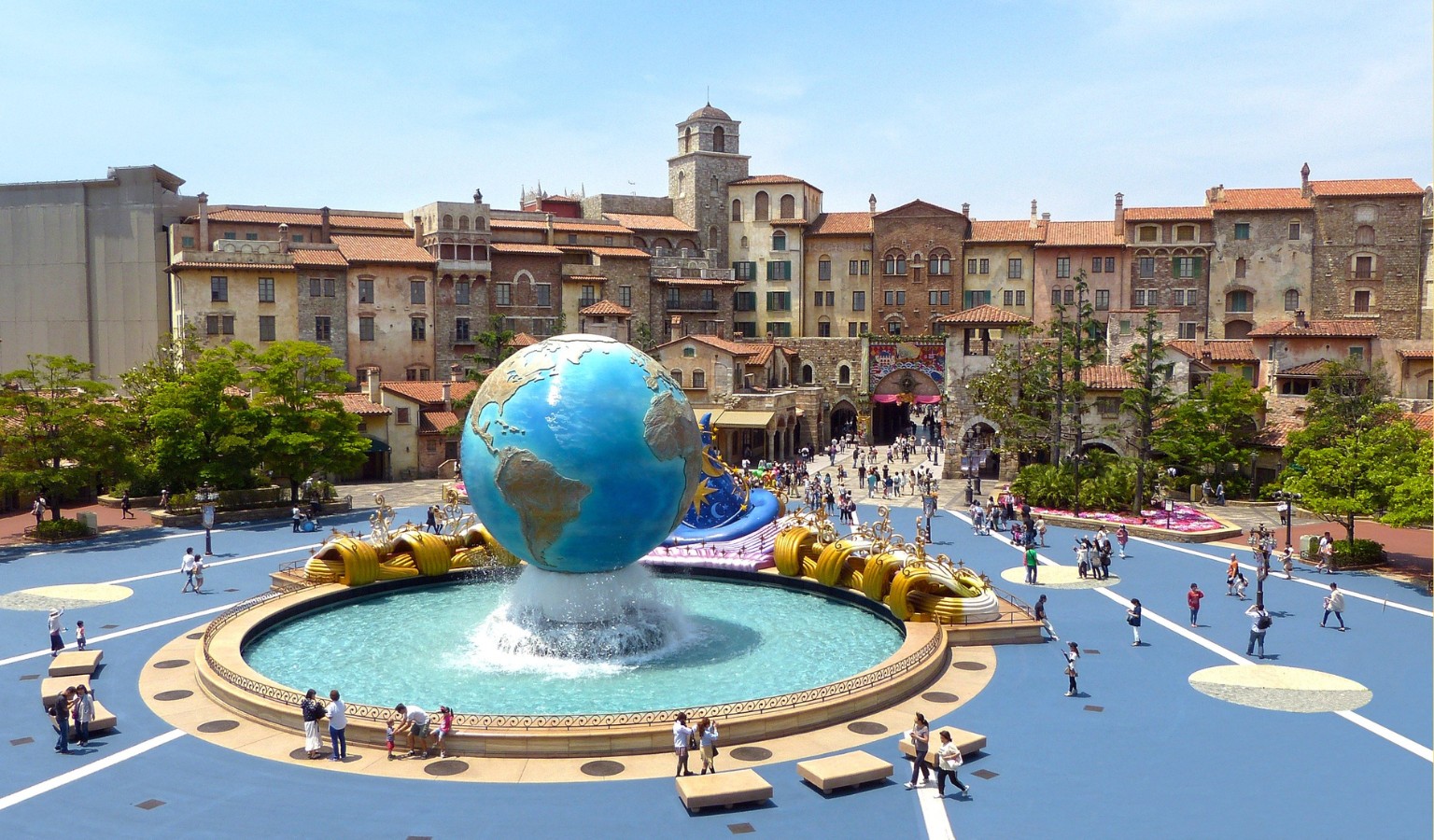
Every so often, one of our readers sends in a message that reminds me exactly why I started The World is Accessible in the first place. After our recent newsletter featuring Accessible Japan’s founder, Josh Grisdale, landed in inboxes, Becky Neal wrote to share her own family’s experience traveling through Japan with her son, Eric.
Her email was long, thoughtful, and packed with real insight — the kind of on-the-ground detail you simply don’t get from official brochures. With her permission, we’re sharing an edited version of her message here, because these are the conversations that move our community forward.

Becky's thoughts:
I recently returned from Japan, where we visited some of the major theme parks, and wanted to share my take on traveling there with my son, Eric, who has a disability. He can walk a bit, manage a short flight of stairs with help, and step into vehicles. His power chair folds up nearly as small as a transport chair. He’s not really a “ride” person — he’s all about people, music, and shows. That’s his jam.
For the most part, I found Japan to be accessible — but you do need to plan carefully, especially when it comes to transportation. I spoke with taxi drivers who had no idea what an accessible van was, though the tour company I used assured me they could arrange one if needed.
We spent six days between Universal Studios, Tokyo DisneySea, and Disneyland — two days each — plus visits to temples, a garden, a flea market, and even a Sumo wrestling dinner theater. What surprised me most wasn’t the infrastructure, but the people: across all that time, I saw fewer than ten visibly disabled individuals. Locals told me that people with disabilities in Japan are often kept out of public view to “avoid being a bother.” Though I later read that inclusion in schools has improved since around 2015, that wasn’t reflected in what I saw.
The mall attached to our hotel had multiple floors with elevators, but many small sets of stairs between stores. The elevators themselves were tiny — maybe room for four people. In the parks, though, accessibility was much better. Disney had large, clean bathrooms with adult changing tables. Universal had some too, though you had to know where to find them. When Eric accidentally pressed the emergency button in a Universal restroom, security was there in under a minute — which was impressive!
The staff at both parks were outstanding. On rides like Pirates of the Caribbean and Monsters, Inc., they stopped the vehicles to help Eric in and out safely. Two days at each park still didn’t feel like enough — wait times were long, and like in Florida, some attractions required pre-booking or temporary transfer chairs.
Elsewhere in Japan, we also took the bullet train twice — very accessible, but you need to let staff know ahead of time that you’ll need a ramp to board. They bring it right to your car. Eric’s folding chair fit behind our seat, but there’s also space if you need to stay in your chair during the ride.
Hakodate stood out as particularly wheelchair friendly. The shuttle buses only fit one wheelchair user at a time, but there were several in rotation, so it worked out. The ropeway to the mountaintop view was great, though getting down the hill afterward was steep. At the fish and flea markets, aisles were tight but manageable, and taxi drivers were happy to help with the chair.
A few practical notes for anyone planning a trip:
- Some places still prefer cash, even inside Disney parks.
- Bring your own cutlery if needed — finding a fork or knife isn’t always easy.
- Japan’s hotel and food prices were surprisingly affordable compared to the U.S.
- You can rent power chairs through some hotels (ours was about ¥2,600 a day), but don’t rely on the parks themselves to have them.
All in all, Japan was accessible — with planning, flexibility, and a bit of patience. The people were kind, and the country itself is beautiful. I’d go back again in a heartbeat.
I’m so grateful to Becky for taking the time to write such a detailed account. It’s these honest, first-hand experiences that paint a fuller picture of what accessible travel really looks like around the world — the good, the challenging, and everything in between.
Have you traveled to Japan (or somewhere else) and come away with your own observations about accessibility? We’d love to feature your story, too. You can reply directly to our newsletter, or email us at hello@theworldisaccessible.com — because real voices are what make The World is Accessible truly live up to its name.
For more information on accessibility throughout Japan, we always recommend heading to accessible-japan.com!

TWIA
Although all hotel and vacation rental information on this site is thoroughly vetted, we recommend calling ahead to ensure your needs are met.
Newsletter Sign Up:
Thank you!
You have successfully joined our subscriber list.