
Accessible Madrid: A Helpful Travel Guide!
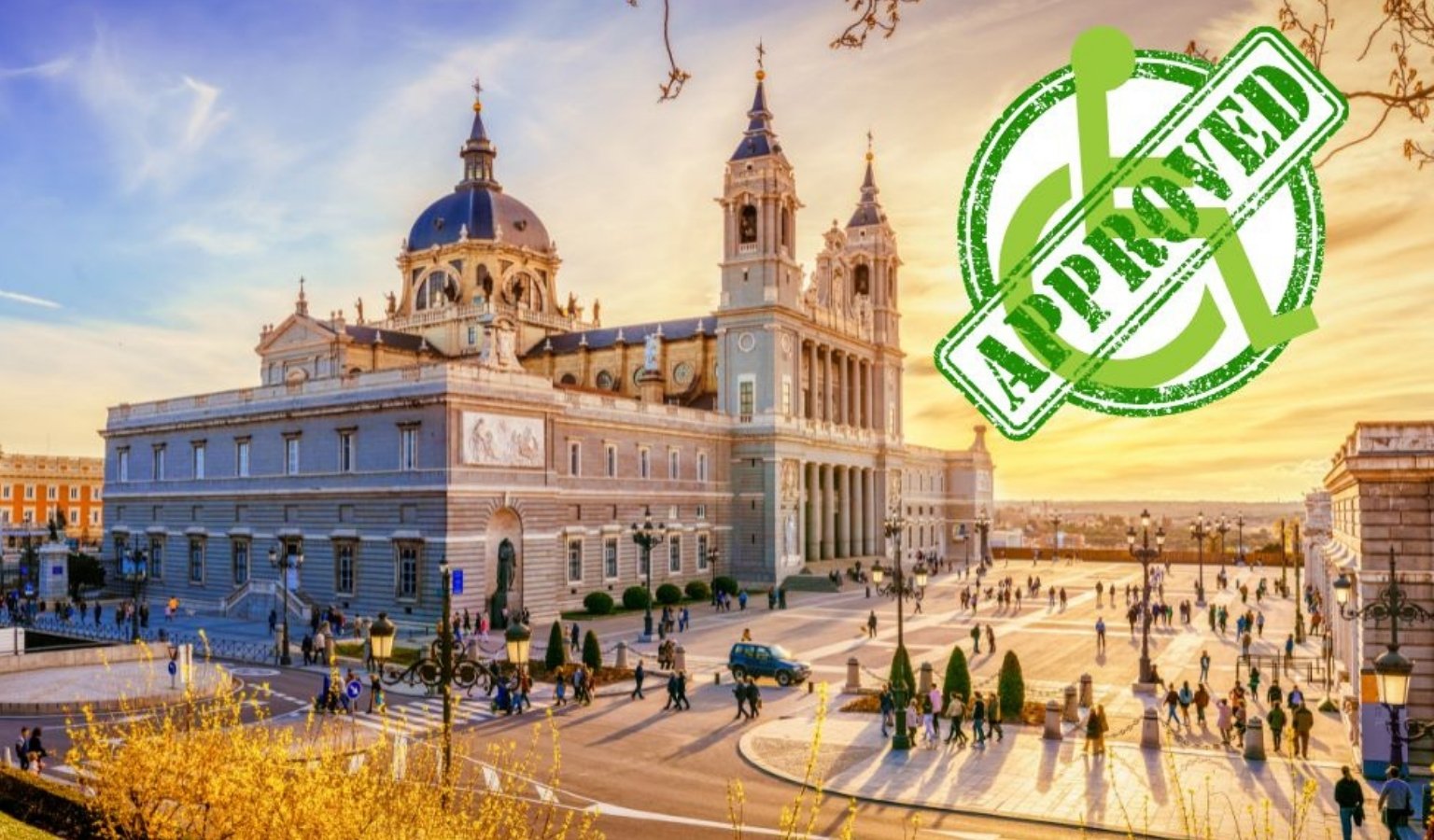

Table of Contents
Madrid is Spain’s vibrant capital city, positioned in the heart of the Iberian Peninsula and home to over three million residents. Let’s explore how accessible Madrid beautifully blends regal heritage with world-class arts and neighbourhoods that buzz with their energetic ambiance.
For many, late Spring and early Summer (April to June), coupled with the autumnal months (September-October) are the ideal times for visiting — when the weather and crowds are respectfully not so fierce, yet there’s still enough going on, and enough daylight hours to enjoy it in, compared ot the depths of winter and early Spring.
The central areas of the city are fairly flat and are becoming increasingly accessible thanks to great efforts made by the local government, and through efforts like the “Accessible Madrid” guide by the PREDIF and Madrid Destino (Madrid’s tourism board), which has evaluated approximately 300 hotels, more than 40 museums, 28 restaurants, and many pedestrian routes to ensure their inclusiveness.
In addition to the good accessibility, Madrid has its clear draws. It is a capital city soaked to the bone in culture, with a deep sense of belonging and an achingly morish sense of contemporary appeal.
Accessible Madrid: things to see and do
Museo Nacional del Prado
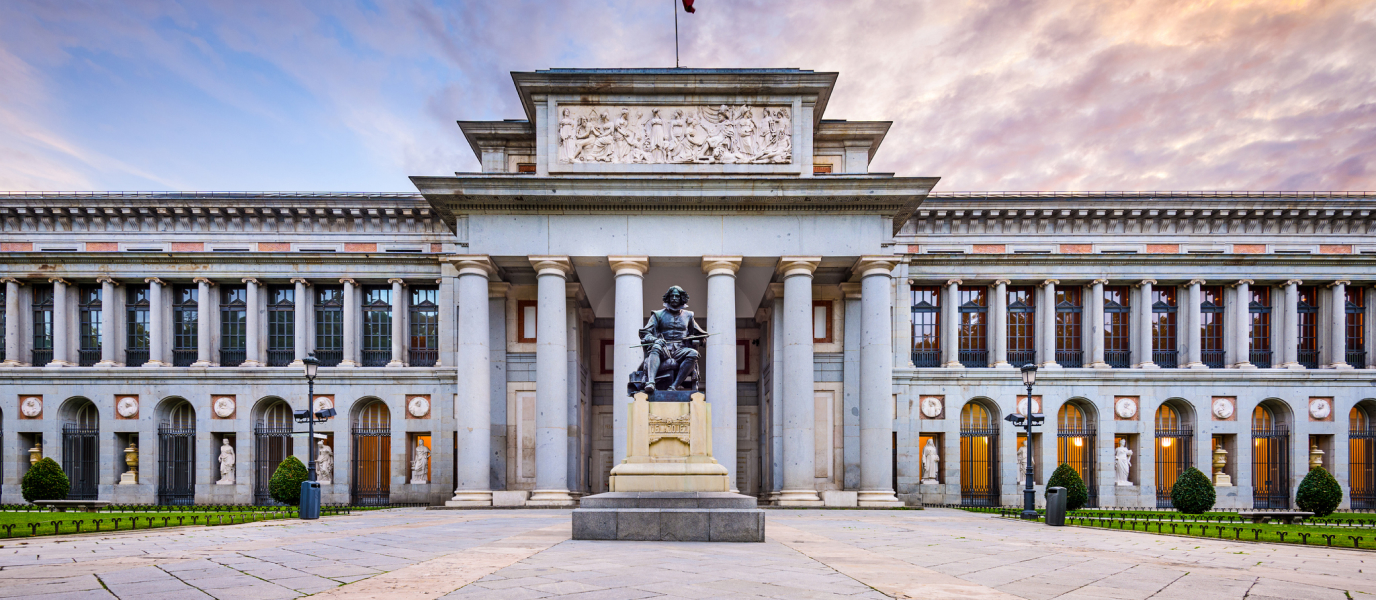
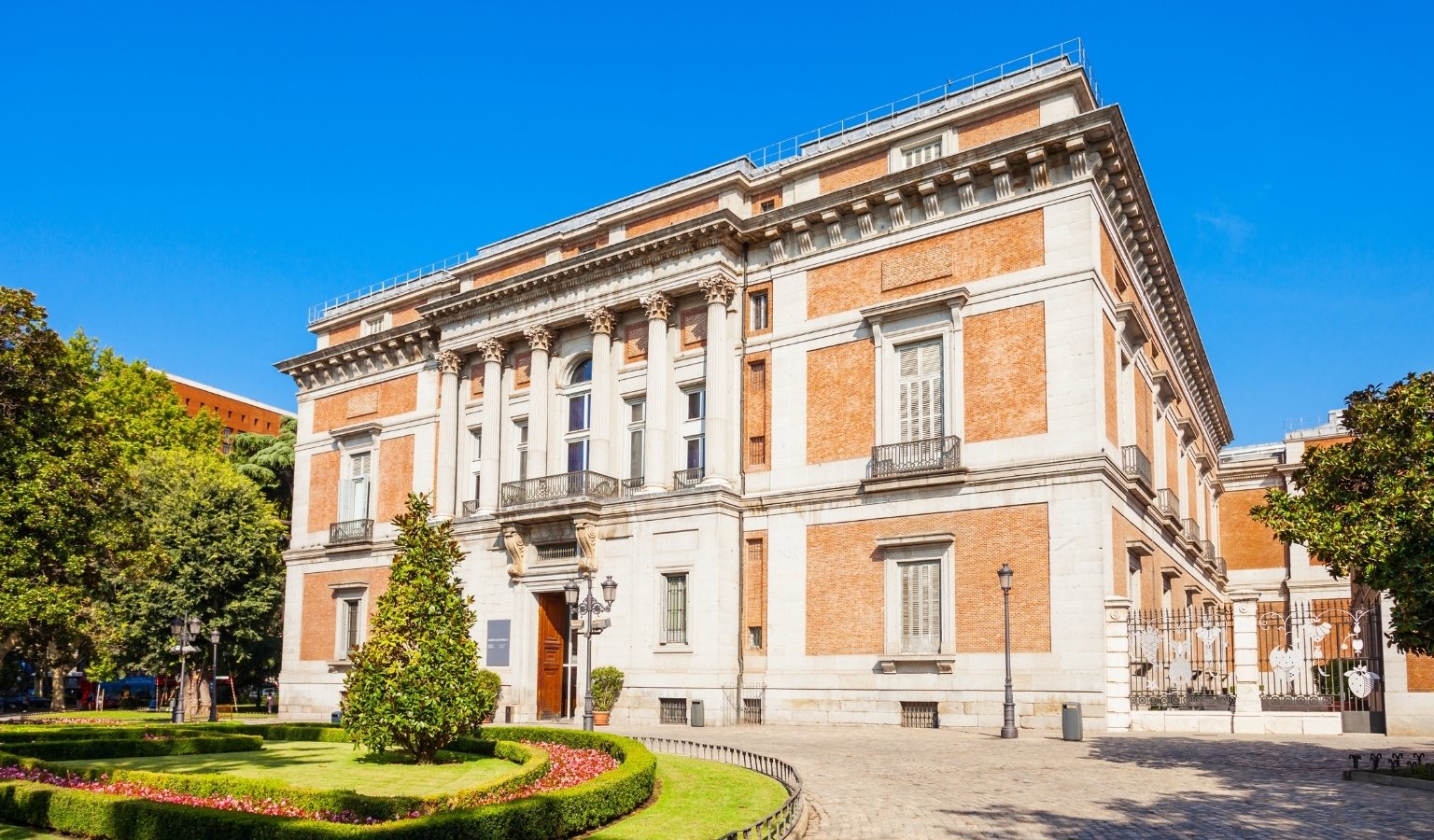
Offering nothing short of a deep submersion into Europe’s complicated art history, the Prado opened its 18th-century neoclassical wings to display to the public the masterful works of Velázquez, Goya, Bosch, and more, making it an absolute must, not only for art-lovers, but for anyone interested in seeing something unique whilst in Madrid. One of the main appeals of the Museo Nacional del Prado is not just the fine displays that hang from its walls, but the vibrancy of its atmosphere, felt by anyone who steps foot (or wheel) inside.
To enter without barriers, head to the Puerto de Jerónimos entrance. You’ll also find ramps and elevators throughout the museum, as well as accessible restrooms, wheelchair loans, audio guides, induction loops, Braille and easy-to-read materials, and free companion tickets.
El Retiro Park & Crystal Palace
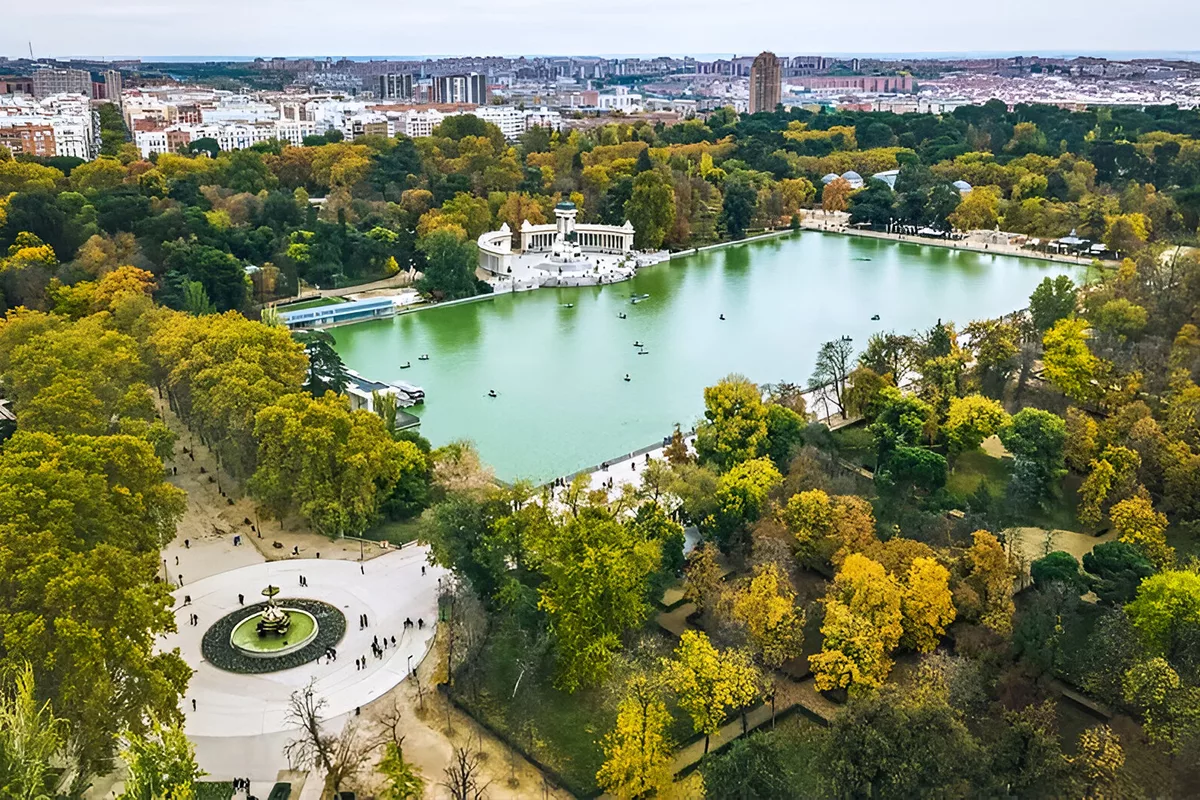
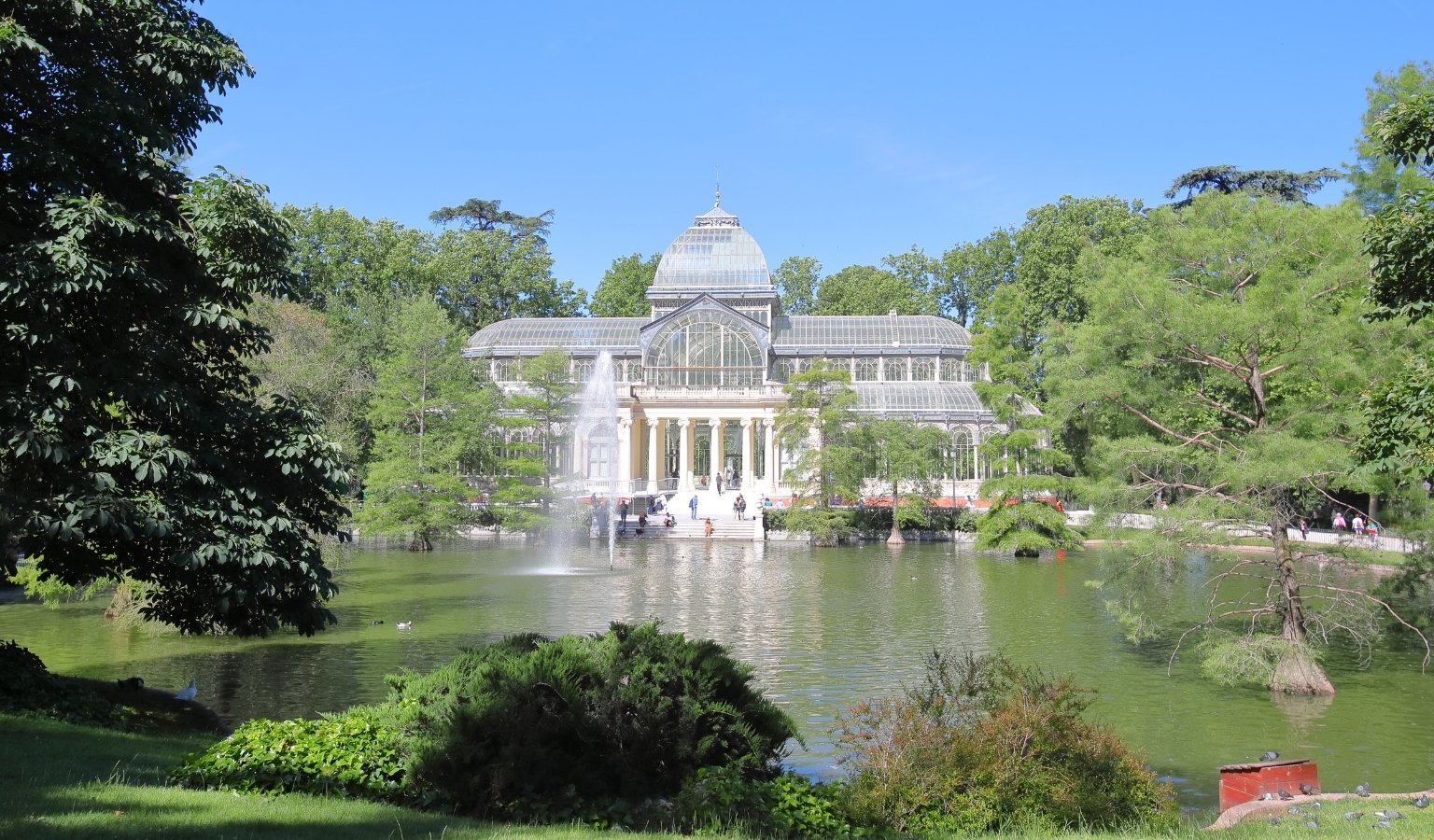
El Retiro has been Madrid’s green heart since the 17th century, spanning more than 125 hectares of tree-lined pathways, gardens, and open spaces. Within the park you’ll find the peaceful boating lake and the iconic glass-and-metal Crystal Palace, one of its most beloved landmarks. From concerts to leisurely afternoons — or simply grabbing a cortado and watching the world pass by — El Retiro offers room for it all.
The park’s broad, paved walkways, gentle slopes, benches, and accessible restrooms make it welcoming for mobility-impaired visitors. A must for anyone seeking a little bit of peace in an otherwise busy city!
Royal Palace & Almudena Cathedral
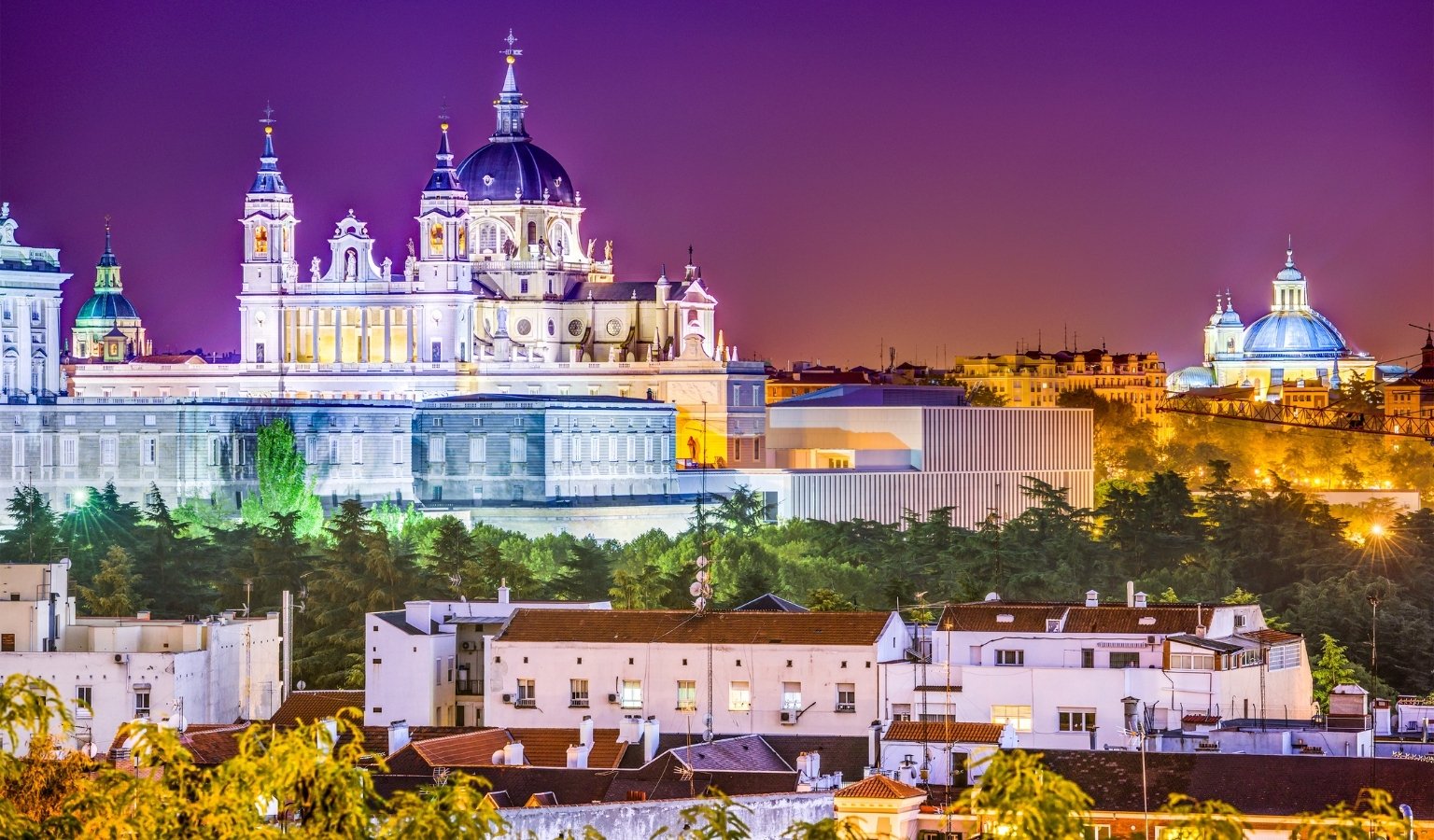
Did you know that the Palacio Real is the largest royal palace in all of Western Europe? It was built in the mid-18th century and has some of the most majestic state rooms, royal artwork, and sweeping plazas that you’ll ever see from a palace like this. It’s not only grand and historic, but relatively accessible too, with free companion tickets, space to move around without hindrance, accessible restrooms, and a barrier-free entrance at the side of the palace.
Not far from the Royal Palace is the Almudena Cathedral, a relatively recent addition to the architectural scene, having been completed as recently as 1993. As a result, the elegantly shaped Cathedral offers a surprisingly modern vibe, and of course, is quite accessible too. As with the Royal Palace, the ramped entrance is on the side of the building.
Plaza Mayor & Puerta del Sol
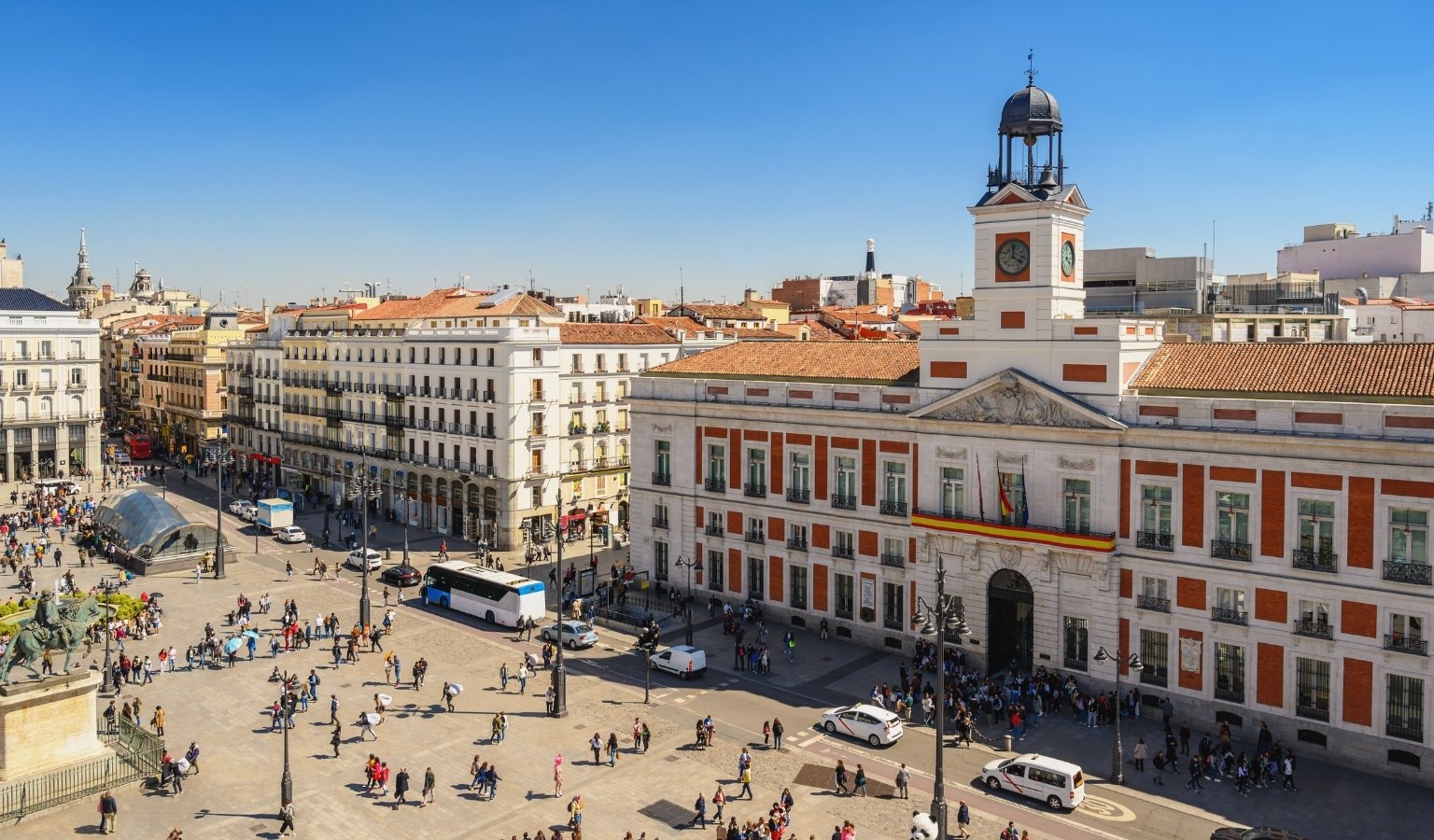
If squares are your thing (yes, you read that right… squares), then nowhere do they do them better than the Europeans. Of course, by squares I mean impressively large and grand squares situated in the center of busy cities, with large buildings looming around each side and a vast walkable (or rollable) opening. The Plaza Mayor and the Puerta del Sol are two squares quite close by to one another, with the Plaza Mayor showcasing a sprawling plaza surrounded by cages, balconies, and overflowing with historical charm. The Plaza Mayor has also played host to many royal ceremonies and famous markets.
Puerta del Sol, on the other hand, is considered the symbolic center of Spain, where the Kilometer Zero plaque is situated, along with the statue of the bear, which signifies where the national hub meets the local hub.
Both squares offer mostly smooth ground and accessible approaches via ramps, with a few good cafés and restaurants surrounding nearby.
Mercado de San Miguel
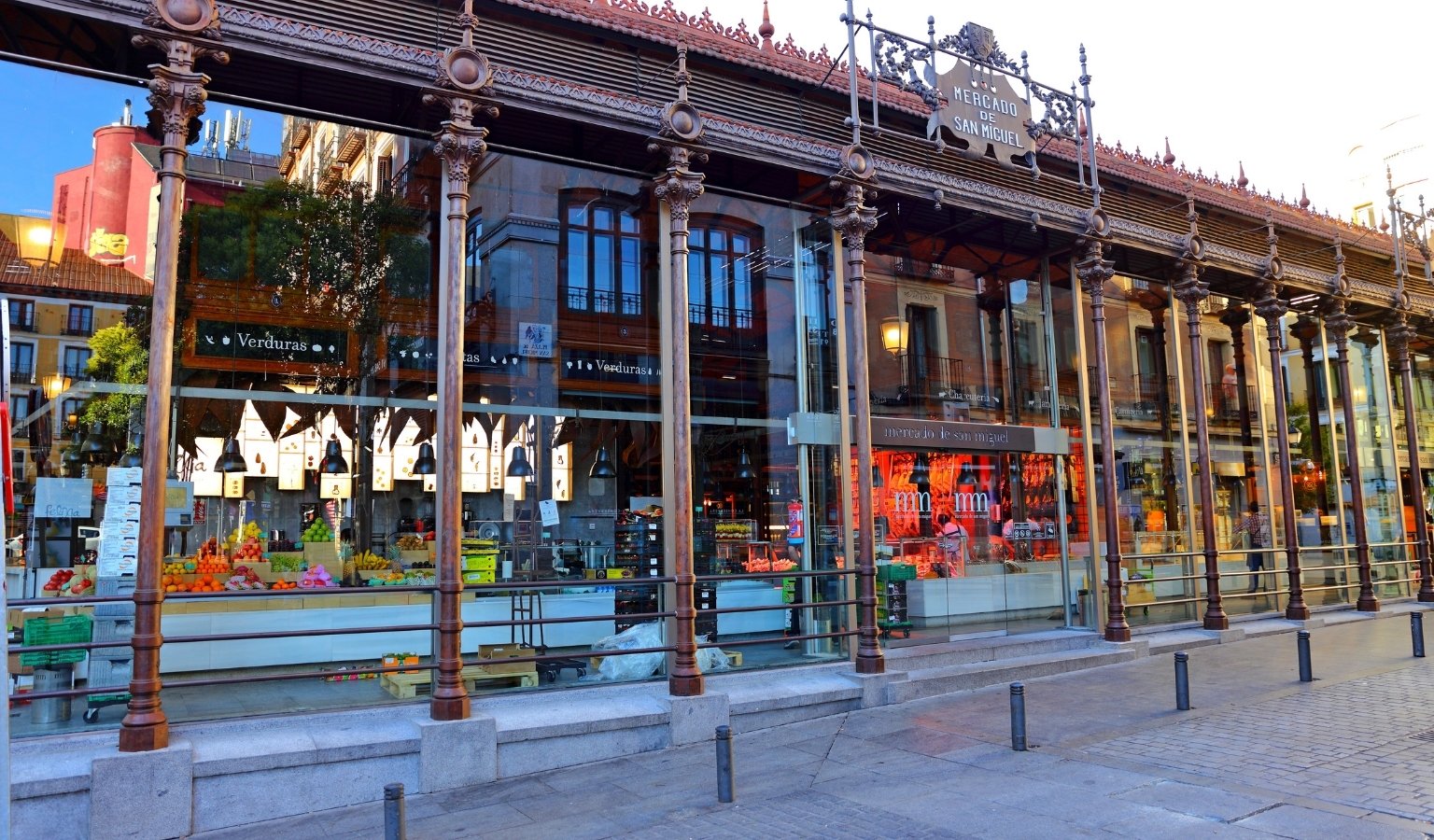
Housed in a restored early-20th-century cast-iron building near Plaza Mayor, this bustling covered market attracts a mix of locals and visitors with its vibrant food stalls and lively tapas bars. The step-free entrance, spacious layout, and accessible restrooms make the Mercado de San Miguel an enjoyable and convenient spot to sample everything from fresh seafood to artisanal sweets without barriers.
Madrid Río
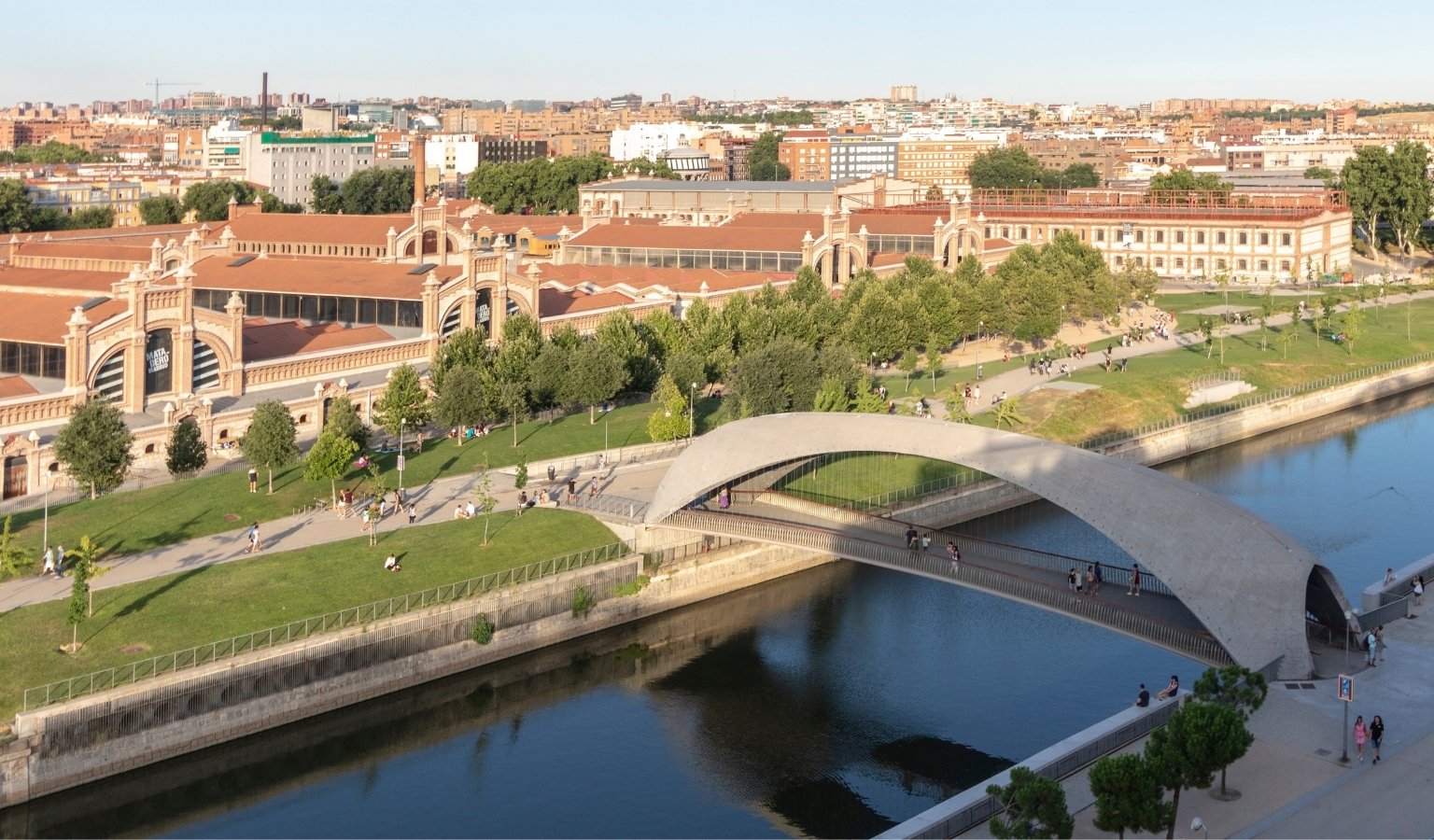
Madrid Río features a 10 km redevelopment along the Manzanares River, introducing gardens, playgrounds, and recreational areas to urban life. The area includes glass bridges, benches, and accessible pathways, making it perfect for a leisurely afternoon. The wide, flat paths, along with frequent seating and restroom facilities, provide a welcoming escape from the historic city center.
Whether you’re strolling with family, cycling, or simply enjoying the riverside views, Madrid Río offers a calm and inclusive space for everyone to unwind. In warmer months, the shaded areas and water features also help visitors stay cool while enjoying the outdoors.
Accessible Madrid Accommodation
The Madrid EDITION
Located at Plaza de Celenque, just off Sol and Gran Vía, the Madrid EDITION places you right in the middle of Madrid’s busiest and most iconic district—just a stone’s throw from tapas bars, pedestrian streets, designer shops, and the Royal Palace. Guests are drawn to its minimalist design, rooftop infinity pool, and vibrant social atmosphere. Dining options include a Peruvian restaurant, a moody punch bar, and a lively lobby lounge popular with both guests and locals.
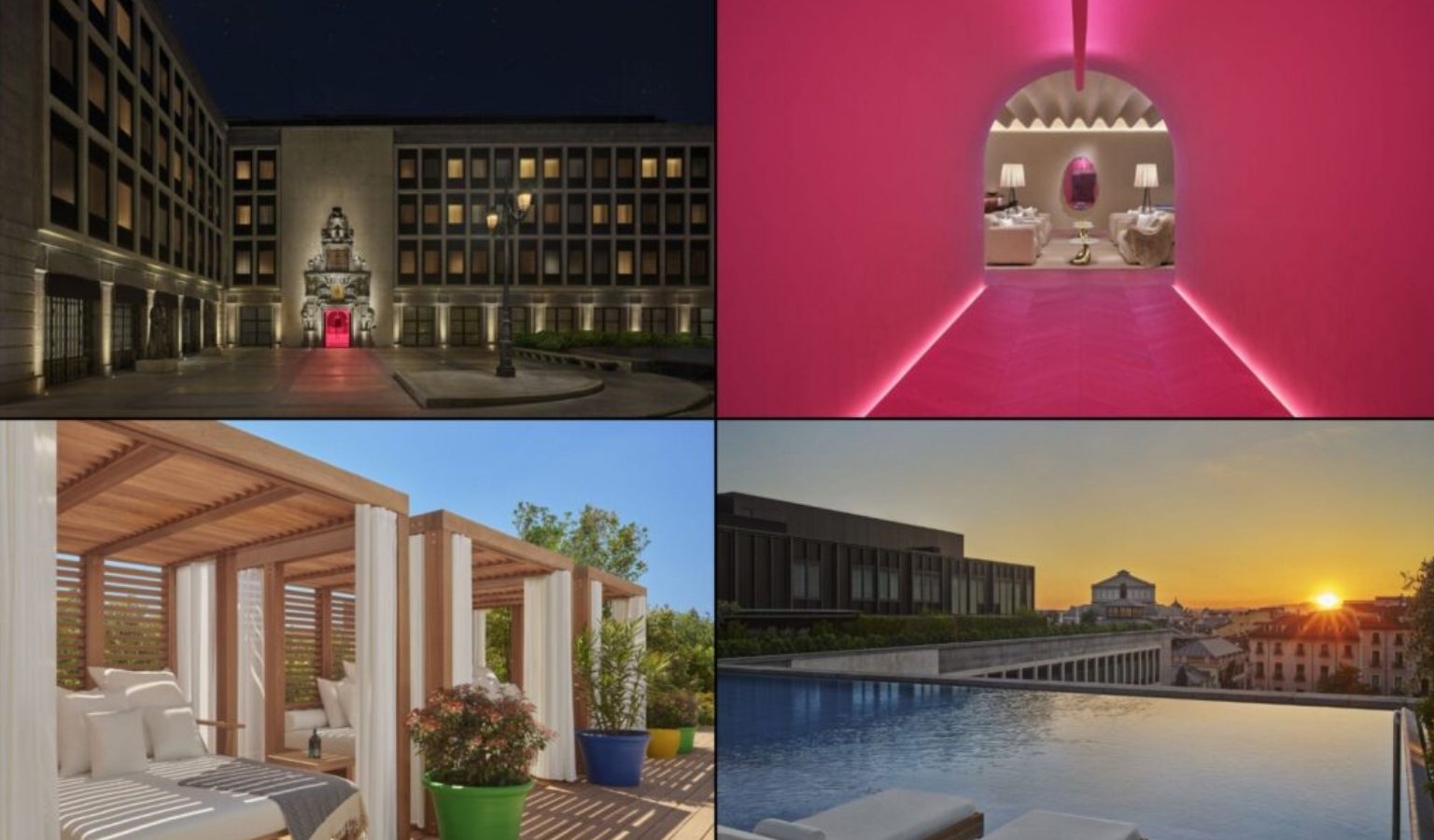
The hotel has many key accessibility features, including accessible parking and entrances, elevators to all areas, a pool lift, and barrier-free access to the restaurant, spa, and rooftop. Mobility-friendly rooms have roll-in showers, grab bars, visual alarms, Braille signage, and lowered fittings. It’s a stylish base for travelers who want to be located right next door to the city’s cultural and social energy.
The price point is on the upper end of the scale, with the Madrid EDITION hotel definitely being considered a luxury accommodation type.
Ilunion Suites Madrid
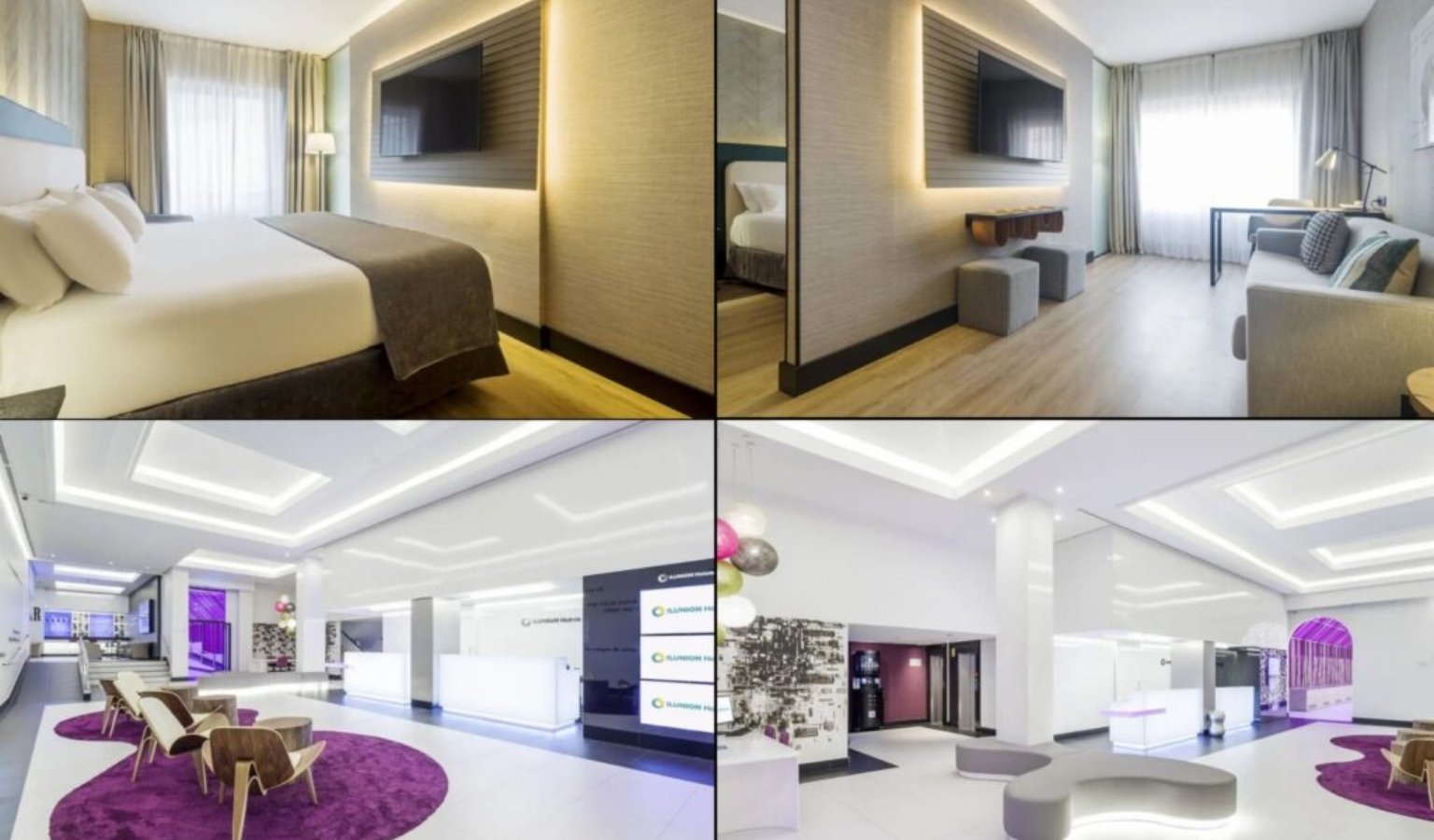
Situated in the Chamartín district on Calle de López de Hoyos, the Ilunion offers a quieter, residential atmosphere with quick metro access to the city center. It’s within reach of the Prado, Reina Sofía, and El Retiro, but also offers easy access to business hubs and train connections. Many guests appreciate the extra space, with rooms that often include a separate seating area or workspace, making it ideal for longer stays or family travel.
Ilunion is renowned for its universally designed hotels and has long sponsored one of the local wheelchair basketball teams situated in Madrid. It offers adapted rooms with wide turning circles, roll-in showers, accessible telephones, emergency buttons, and induction loops for the hearing impaired. Public areas like the reception, restaurant, and bathrooms are all step-free. Staff are also trained to assist with specific accessibility needs.
Holiday Inn Madrid (Las Tablas)
Located in the Las Tablas business district, this Holiday Inn is best suited for travelers with early meetings, car rentals, or those looking for quiet after a busy day. It’s not in the tourist core, but still offers convenient metro access and parking. Rooms are modern and practical, and the hotel’s facilities include a fitness center and on-site dining. The restaurant is known for offering a solid international menu with comfort classics—nothing fancy, but dependable. Kids eat free, which is a bonus for families.
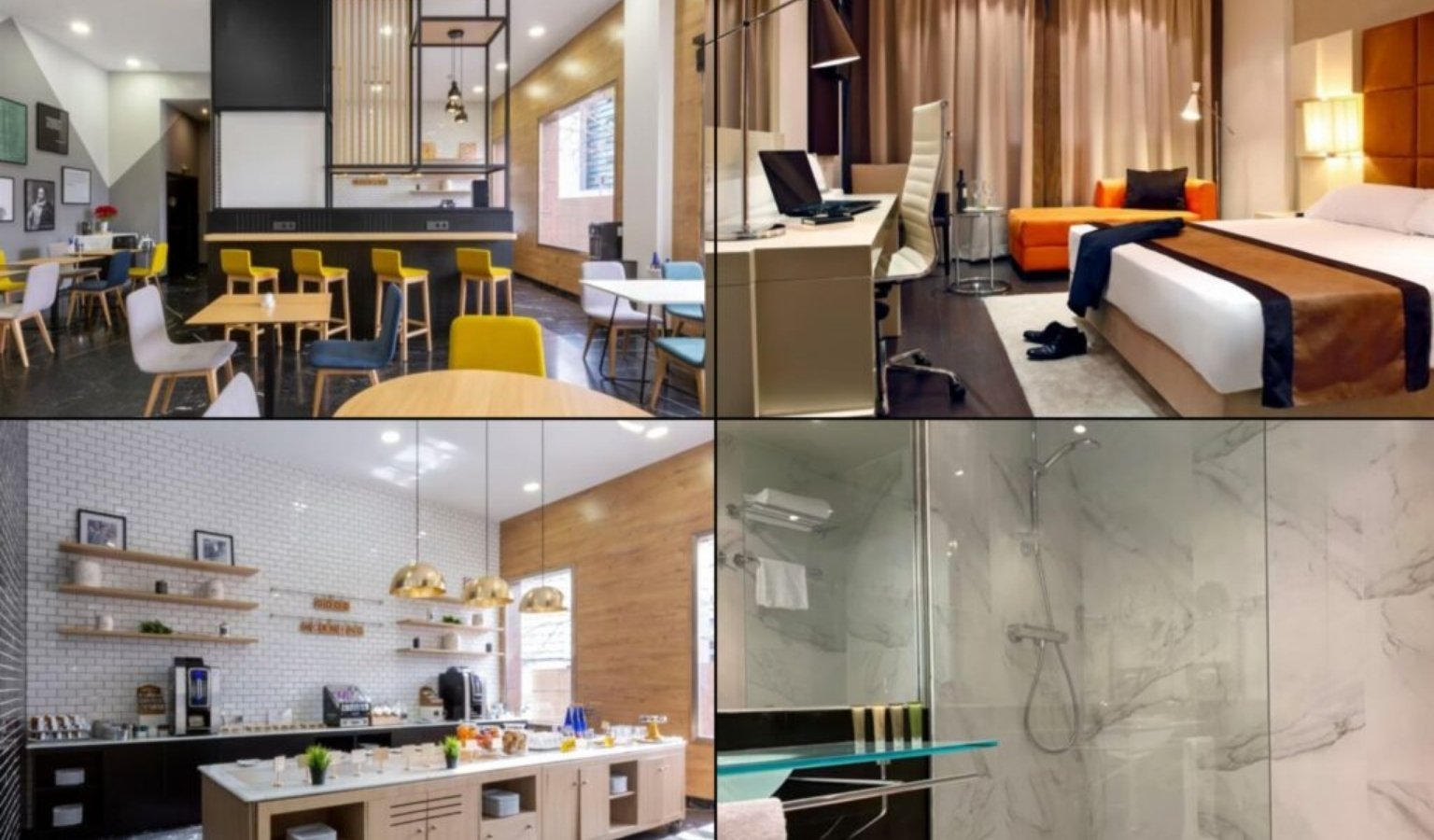
Accessibility here includes dedicated accessible rooms, ramped entries, elevators that meet international standards, adapted restrooms, and accessible tables in the dining area. The quieter setting and ease of transport make it appealing for business travelers or those passing through Madrid en route to other destinations.
ibis Madrid (Barajas – Airport)
Just minutes from Madrid–Barajas airport, this iBis hotel is ideal for travelers who need a reliable overnight stay close to the terminals. Rooms are basic but functional, with soundproofing, modern bathrooms, and early breakfast service. It’s also close to Metro Line 8, which provides a direct and step-free connection to central Madrid.
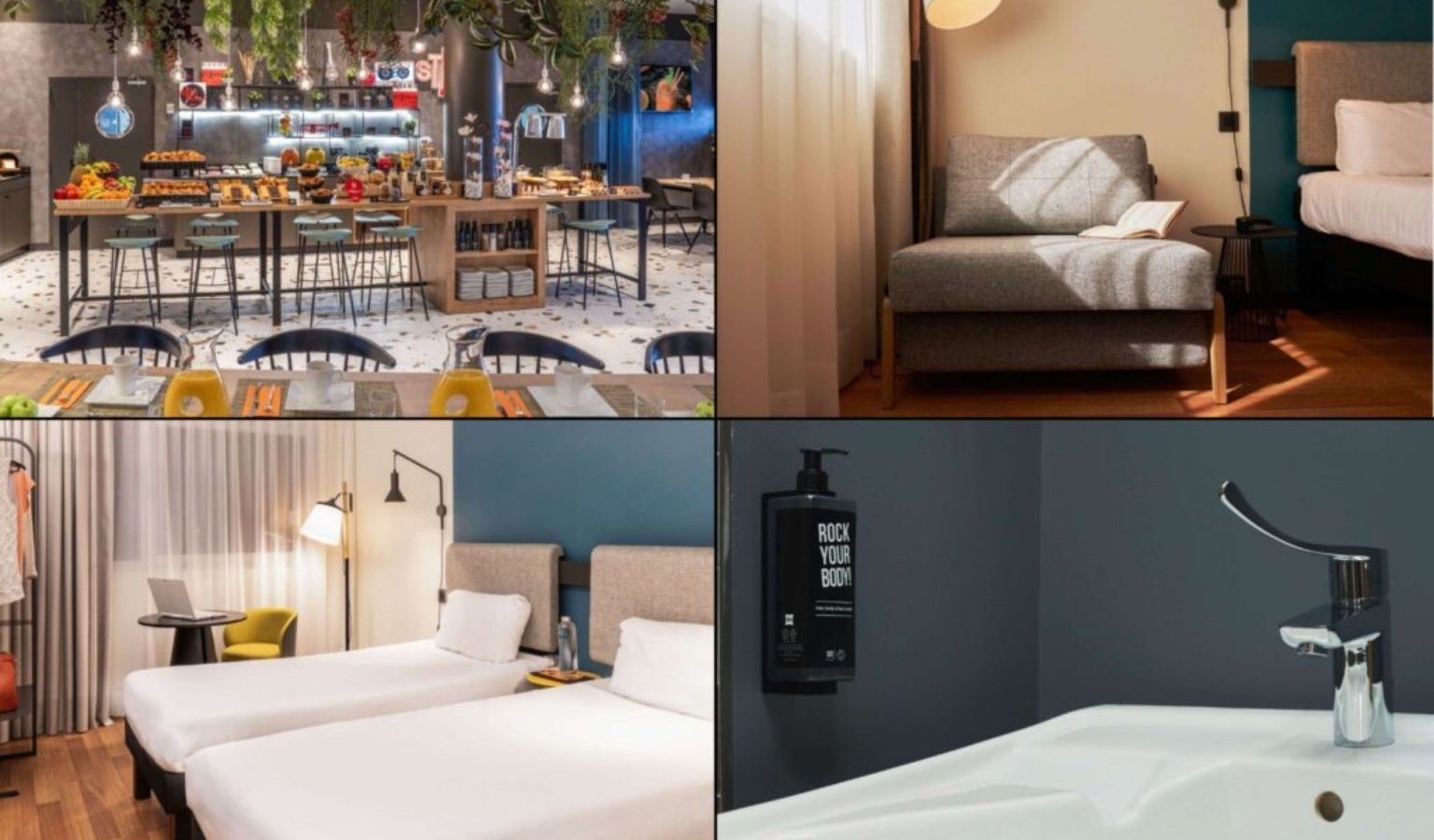
While detailed accessibility specifications vary by location, ibis hotels generally include accessible rooms with roll-in showers, grab bars, and barrier-free access throughout public spaces. For travelers arriving late, leaving early, or connecting through Madrid, this hotel delivers simplicity and convenience without sacrificing comfort.
Accessible Madrid Dining & Cafés
Mercado de San Antón
- Type: Multi-level gourmet market with traditional food stalls, tasting areas, and rooftop restaurant
- Location: Chueca neighborhood, central Madrid
- History: Originally 19th century; modernized in 2002 and fully reopened in 2011
- Layout:
- Ground Floor: High-quality food stalls (meats, breads, produce)
- First Floor: Take-away gourmet food, wine cellar, international/Spanish specialties, event space
- Second Floor: Restaurant with meals made from market products + 400 m² terrace-lounge with views
- Design: Sustainable architecture, energy-efficient
- Accessibility: Elevator to all floors; adapted restrooms
- Address: Calle Augusto Figueroa, 24
- Tourist Area: Chueca
- Phone: +34 91 330 07 30
- Email: info@mercadosananton.com
- Opening Hours:
- Ground floor (supermarket): Mon–Sat 10:00–22:00
- First floor (market area): Mon–Sat 10:00–22:00
- Second floor (tapas/fast food): Mon–Sat 10:00–00:00
- Third floor (restaurant): 10:00–00:00 (Fri–Sat until 01:30)
Picsa (Calle Ponzano)
- Cuisine: Argentine-style pizza with Italian roots and creative toppings (e.g., ham & scamorza, aubergine & goat cheese, peppers & rocket, Genoese “Canchera”)
- Drinks: Own-brewed beer (La Virgen), wines from Chile, Argentina, and Spain
- Atmosphere: Industrial-style decor with white tiles, black marble floors, and preserved columns from the building’s past as a grocery store
- Staff: Friendly and helpful
- Reservations: Not accepted – arrive early
- Accessibility: There is a very small step at the front entrance. Staff are willing to assist. Ramp may be available.
- Address: Calle Ponzano, 76, Chamberí, Madrid (near Azca business district)
- Opening Hours: Tue–Sun, 1:30–4 pm & 8:30 pm–midnight
- Phone: +34 91 534 10 09
Tatel (Paseo de la Castellana)
- Cuisine: Elevated Spanish cuisine with both traditional and modern elements – includes rice, pasta, charcuterie, seafood, and meats
- Chefs: Nino Redruello and Patxi Zumárraga
- Drinks: Excellent wine and cocktail selection
- Ambience: Elegant 1920s-inspired New York club vibe; live performances, DJ, stylish bar, dimmed lighting, lounge-style terrace
- Post-dinner scene: Transforms into a lounge/party venue until 2–2:30am on weekends
- Interior: 800 m² space with central dining room, five private areas, and bar
- Co-owners: Rafael Nadal, Pau Gasol, Enrique Iglesias, Abel Matutes Jr.
- Accessibility: Step-free entrance, wheelchair and scooter accessible, accessible restroom
- Address: Paseo de la Castellana, 36, Madrid
- Phone: +34 91 172 18 41
- Opening hours: 12:00–16:30 & 20:00–00:00, open weekends until 2:00am, closed Sundays
- Price: €45–60
- Reservations: Recommended
Wrapping things up…
Madrid truly charms with its rich layers: historic squares, lively neighborhoods, famous museums, and green parks, all filled with authentic local life. The accommodations blend history and modern comforts, fitting various budgets and preferences. Enjoying food in Madrid is a delightful mix of famous cafés, bustling markets, and cozy taverns where recipes have stood the test of time. There is definitely a lot to explore, with accessibility that ensures smooth movement around the city, so you can fully enjoy all the wonderful experiences it offers.
Looking for more travel inspiration? Check out our Guide to Cornwall or more of our travel guides here.
TWIA
Although all hotel and vacation rental information on this site is thoroughly vetted, we recommend calling ahead to ensure your needs are met.
Newsletter Sign Up:
Thank you!
You have successfully joined our subscriber list.