
"Excuse Me, Is This the Way to Paradise?": 1,500km of Freedom on New Zealand’s South Island.
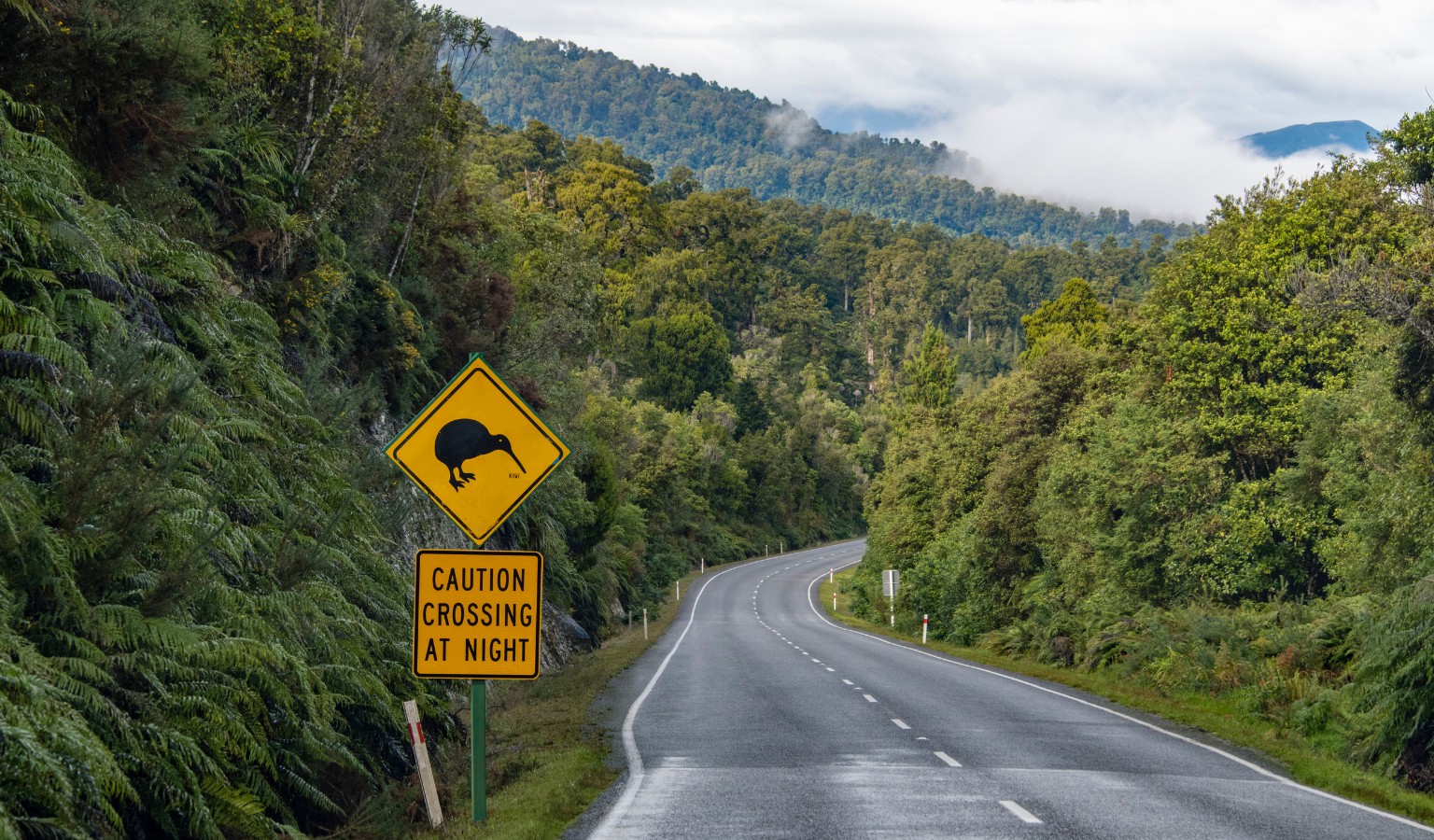
Speak to just about any traveler, and they’ll eventually reveal that New Zealand ranks either in their top five countries visited or dangerously high on their bucket list. This far-flung nation, perched on the edge of the earth and split into two main islands, beckons you to fly all the way to Australia and then just… keep going… unless you already live in Australia, of course, in which case skip straight to the “keep going” part.
New Zealand’s North Island offers an embarrassment of riches: Hobbiton, fascinating major cities like Auckland and Wellington, and more natural spectacles than you can reasonably fit into one itinerary. But like many visitors (myself included), I had my sights firmly set on the South Island, home to the country’s most jaw-dropping terrain. But before setting off, I figured I’d need a car.

I’m constantly on the lookout when traveling for specialists in adapted vehicles, yet finding companies that genuinely understand the nuances of disability is no easy feat. Many of the major corporate rental players remain surprisingly inflexible; my previous attempts to work with the likes of Jucy (a rental company in Australia and New Zealand) hit a metaphorical brick wall. Even when I offered to fund and arrange the installation of safe, road-legal temporary hand controls, they refused to budge on their blanket “no modifications” policy.
That lack of imagination made discovering Freedom Mobility all the more meaningful. When I stumbled across them, I was over the moon; not only was I getting back behind the wheel, but I was doing so in one of the world’s premier driving destinations. Freedom Mobility has a fleet of over 100 modified vehicles; everything from hand controls and left-foot accelerators to wheelchair hoists and swing-out seats.
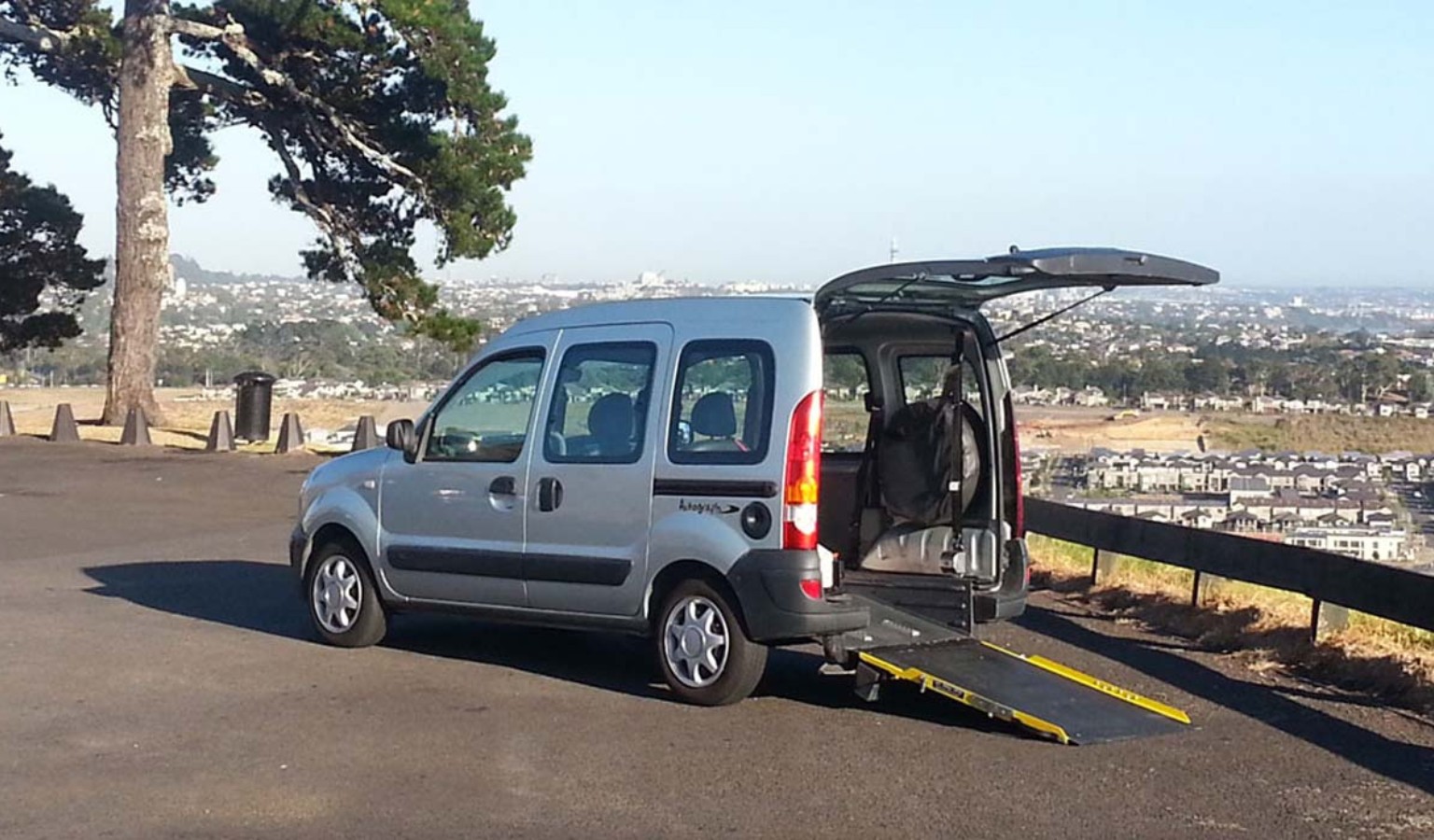
The service was impeccable from the outset. While I was still in Wellington, they orchestrated the entire logistical ballet to ensure a seamless pick-up in Christchurch. They didn’t simply hand over the keys and wish me luck either; I received a treasure trove of local knowledge, including a digital dossier of accessibility information and a physical guidebook detailing the country’s accessible wilderness trails. In a world where “customer service” often feels like an automated script, their thoughtful, human approach was a breath of fresh air.
The independence that comes with having a vehicle is like nothing else. Without it, I feel tethered to rigid bus and train timetables, leaving barely any room for whim or wonder. With the car, you can stop anywhere, and trust me, you will, because every few miles you drive, you’ll come across another cinematic panorama that demands your full attention. You can’t exactly ask a bus driver to pull over every five minutes just because the sunlight has decided to illuminate a glacial peak in a way that screams selfie.
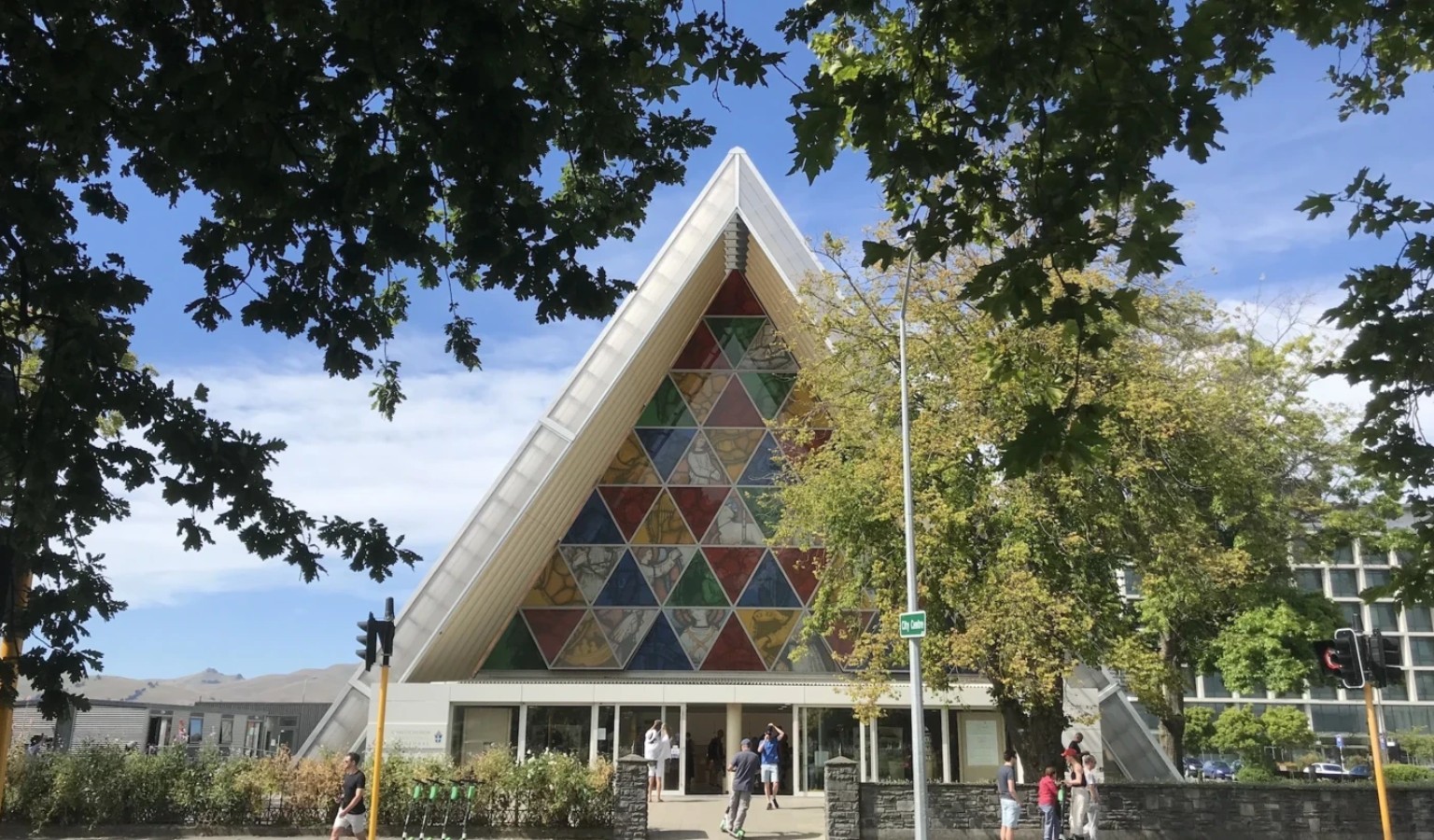
I collected the car near Christchurch Airport, having spent the previous evening learning about the city’s resilience, as demonstrated by its striking Cardboard Cathedral, and the haunting memorial of white chairs honoring those lost in the 2011 earthquake (the latter sadly is no longer there).
From there, I aimed south toward Dunedin. The drive begins quietly enough, but as you approach the Otago Peninsula, the scenery shifts into something altogether more dramatic. Coastal roads unfurl toward the Pacific, each bend unveiling a scene more animated than the last. At the peninsula’s edge, the Albatross Sanctuary provides the perfect excuse to cut the engine and stare at the horizon. It was also a lovely spot to indulge in a coffee and a snack while chatting with the young man who was there helping his dad run the place during the school break.
As for the rest of Dunedin, the city replaced the traditional town square with an “Octagon,” a lively central hub that feels particularly atmospheric at night beneath the looming presence of the First Church of Otago. All around the edges of the Octagon, cafes, bars, and shops make it a lively place to be, and an obvious meeting spot for those seeking a rendezvous. A word to the wise for my fellow wheelchair users and those using mobility aids: Dunedin has many steep streets, including the steepest in the world, so be careful if you decide to be a daredevil and go whizzing down it!!
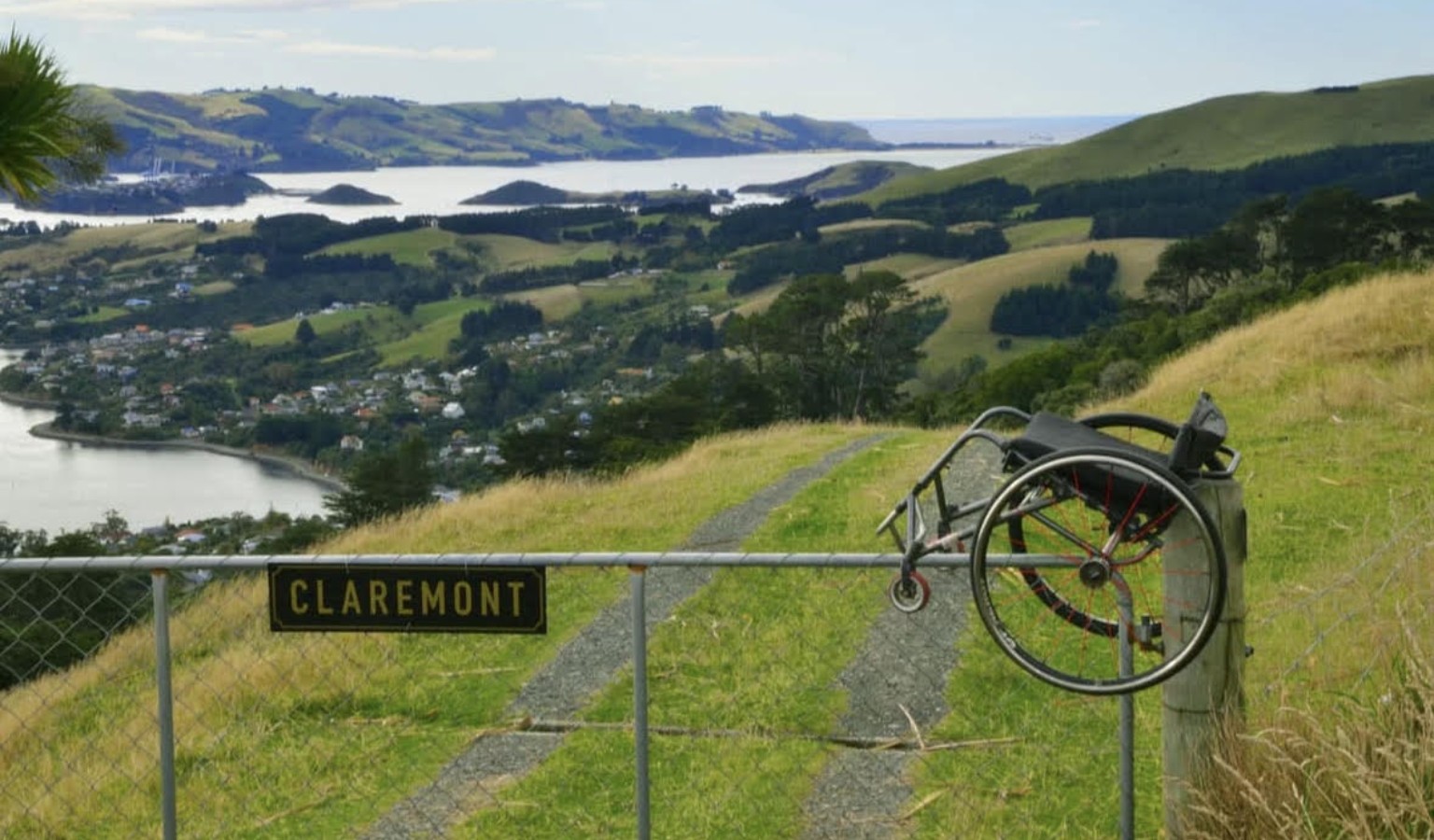
After a couple of days, I headed toward Te Anau. Crossing into the island’s western reaches, the land transforms into the kind of rugged, unfathomable beauty that really makes you understand why Hollywood returns to the region again and again. Some landscapes resist description; this is one of them. You simply have to see it to believe it.
Te Anau is a tranquil lakeside town and an ideal base for visiting Milford Sound. I stayed at the Red Tussock Motel, which featured a beautifully designed accessible suite. From there, the ninety-minute drive to Milford Sound became the most enjoyable time I’ve ever spent behind the wheel. The road is a procession of hairpin bends, towering alpine walls, and mist that clings to the peaks like wet silk. The subtropical bush is so lush and overwhelming that I felt a primitive urge to abandon modern life altogether and vanish among the ferns.
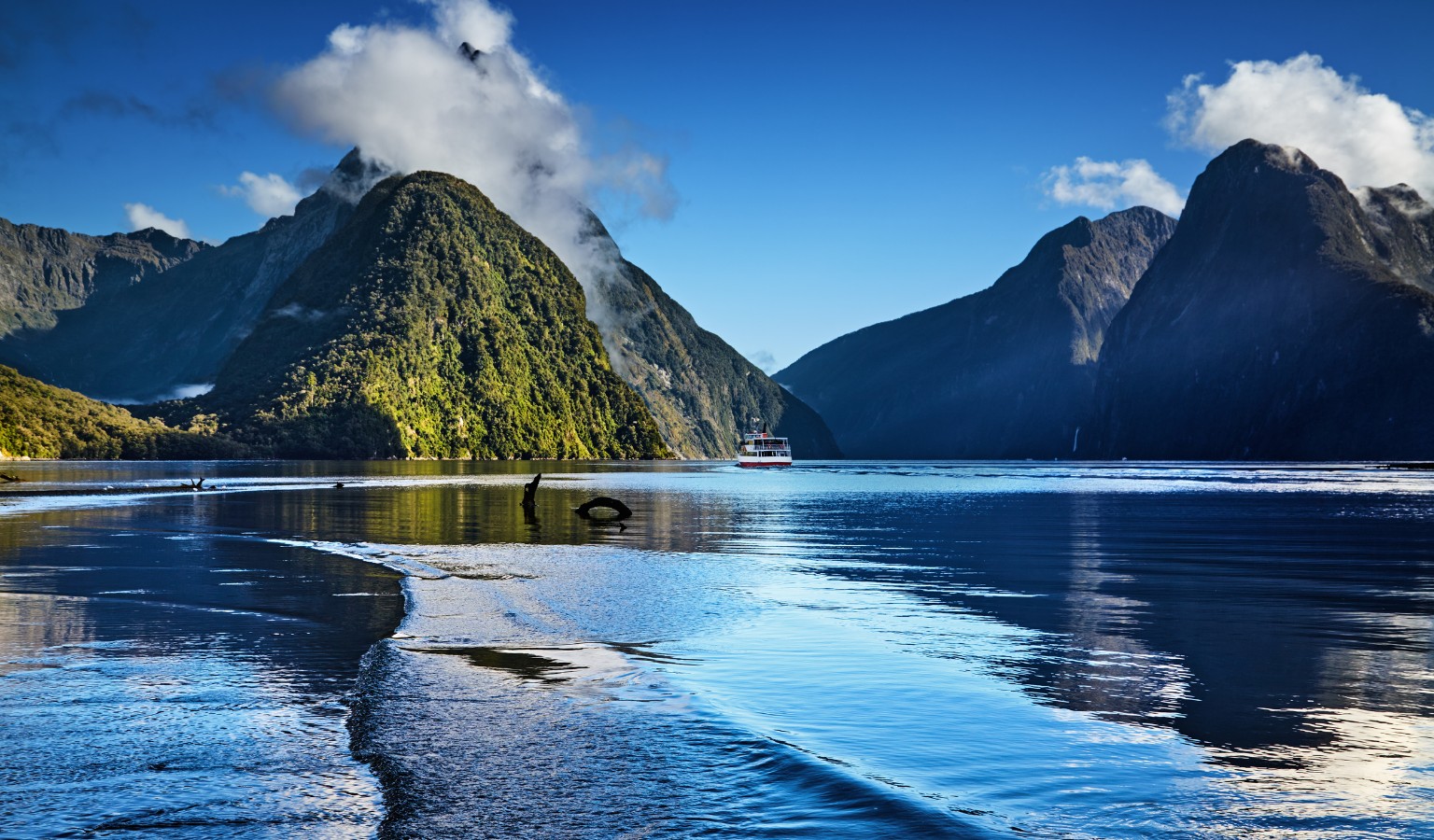
Milford Sound, often dubbed the Eighth Natural Wonder of the World, is undeniably spectacular, though it functions as something of a geographical cul-de-sac and a full-blown tourist magnet. Unless you’re willing to splash the cash on water taxis, walking trails are fairly nonexistent if you are a wheelchair user. Even the WiFi was eye-watering: at the time, it was $15 for 100MB, which feels borderline criminal when you just need a crumb of data so you can book your next night’s accommodation. Still, once the sun kissed the water and the cliffs dissolved into mist, those irritations melted away.
Later in the day, my driving route curled north toward Queenstown. Even outside ski season, the town crackles with energy. I took the car high into the surrounding mountains for a panoramic view before pushing on to Glenorchy: a place I could have happily stayed in forever. Small, snug, and buried deep in the wilderness, Glenorchy resembles a rural Scottish village. Walking through town at dusk, wood smoke in the air and crisp mountain wind in my lungs, it was sincerely peaceful. As for accommodation, I stayed at The Headwaters Eco Lodge (although, I do believe at the time it was under a different name — The Glenorchy Lodge, perhaps?), another standout place to stay with exceptional staff and genuinely thoughtful wheelchair accessibility.
On my final full day, I went hunting for Paradise. Yep, you read that right: Paradise. A rural locality in the Otago region of the South Island. About thirty minutes from Glenorchy, this area famously doubled as Middle-earth in The Lord of the Rings trilogy. I drove as far as the mountain track allowed before meeting a deep, fast-flowing ford that forced me to reconsider my choices. Alone in the wilderness with no phone reception, a car that wasn’t mine, and a flight to catch the next morning in a city over 150 miles away, I decided that my best course of action would be to “adult” my way out of that situation and retreat, retreat, retreat!
The drive back toward Christchurch offered one last moment of comic relief. Earlier, while heading toward Paradise, I’d been flagged down by a middle-aged couple in another car. Pulling alongside them, the man leaned out his window and shouted with urgency: “Excuse me… is this the way to Paradise?” If heaven on Earth is what he was searching for, I think we were already in it.
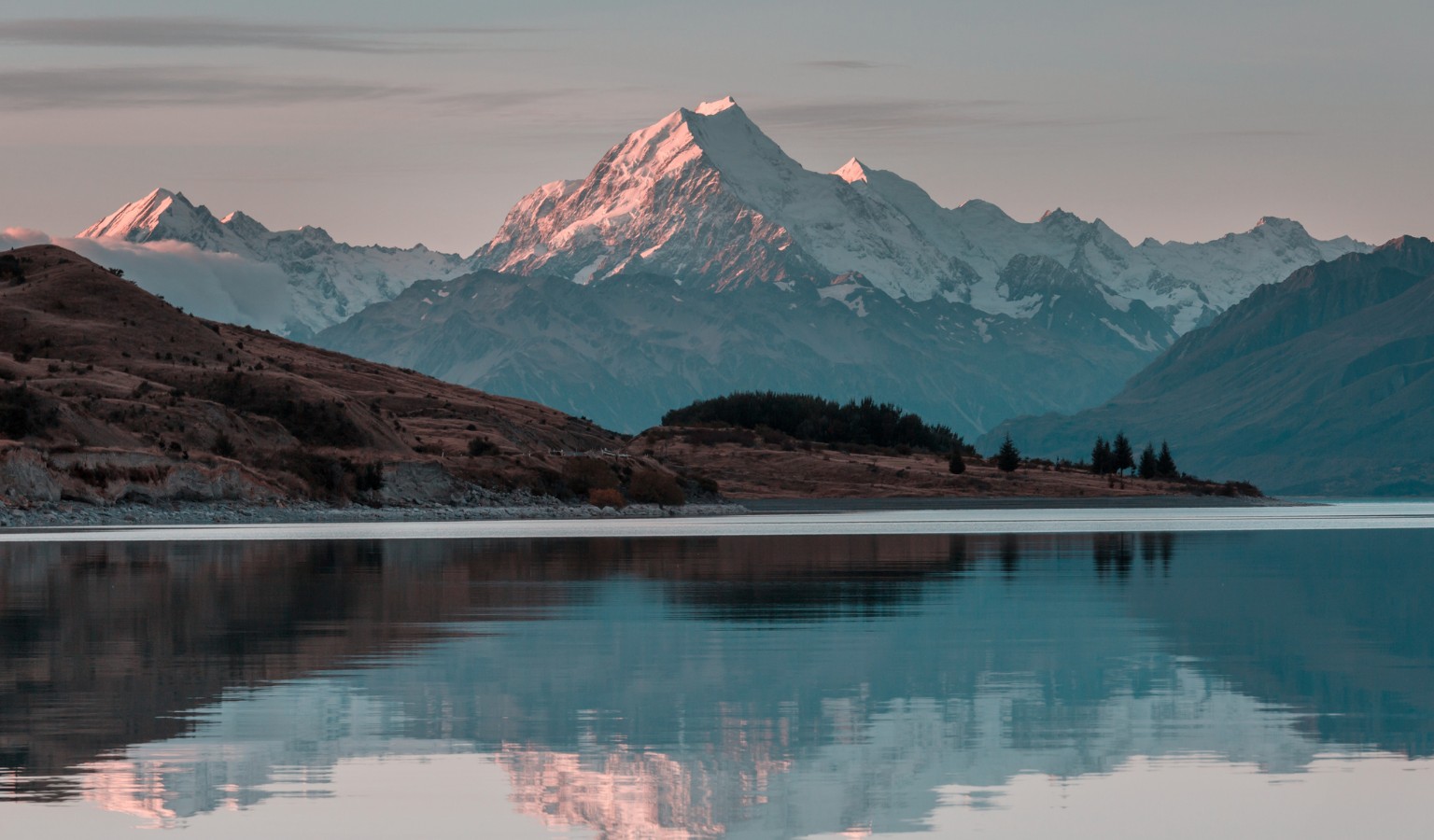
The final leg was a nerve-wracking round of fuel-light roulette. Fuel stations grew more and more scarce as I drove across wide stretches of isolated road, but no amount of nerves could have stopped me from enjoying my final stop in front of Aoraki/Mt Cook. Standing in front of the country’s tallest peak, sunlight bouncing off a colossal glacial lake, I reflected on the 1,500 kilometers I’d just driven.
And without question, it was the best road trip of my life.

TWIA
All information on this website regarding hotels and vacation rentals have been rigorously checked, but we still do recommend calling ahead of booking to double check your needs will be met. If you notice that a rental property is no longer operational, please let us know.
Contact us
- hello@theworldisaccessible.com