
Shane Hryhorec on Wheelchair Accessible Travel, Advocacy, and Wheel Around the World
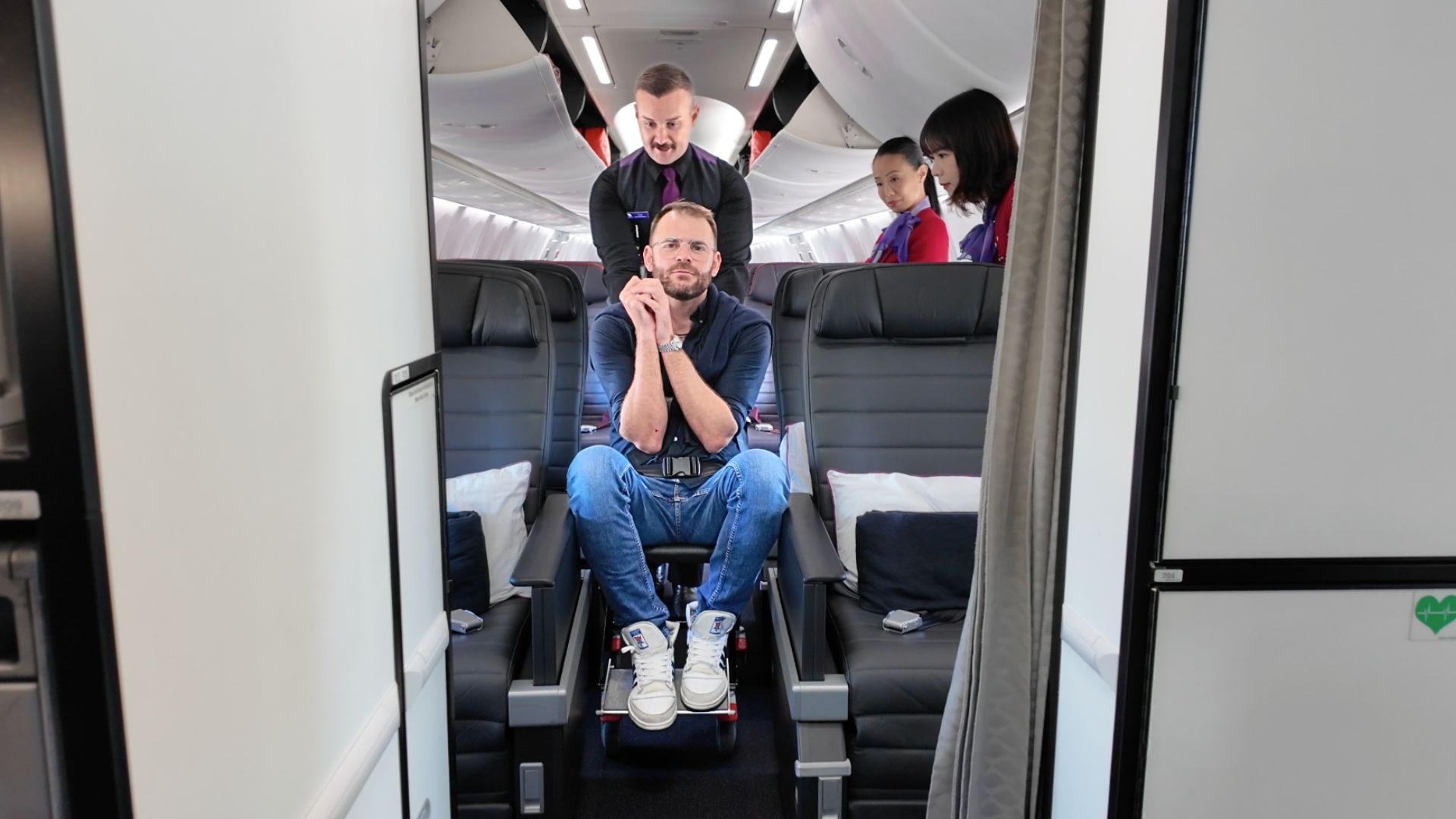
In 2007, Shane Hryhorec’s life changed in an instant. An accident in his apartment block swimming pool after a night out left him with a broken neck, a spinal cord injury, and a hypoxic brain injury after being without oxygen for 18 minutes. He spent five days in a coma, kept alive by intubation.
“It was a traumatic experience that left me with both a spinal cord injury and a brain injury,” Shane recalls. “The brain injury isn’t something many people know about, but it mainly affects my memory. Before the accident, I loved swimming, football, gymnastics — any kind of sport. Afterwards, my life wasn’t over, but it was completely changed.”
An undeniably life-changing and defining moment, which for some could have marked the end of their story, propelled Shane to start a whole new one, and with a lot of energy thrown into the mix. Recently, I sat down with Shane over a video call to hear more about that story — his life today, the travels he’s taken, and what inspires him to keep pushing forward.
Life After the Accident
Where many might have spiraled into despair, Shane’s instinct was to push forward. “When I woke up from the coma, I knew my body was broken, but I was just grateful to be alive,” he says. “I believed I could still live a positive, happy life.”
Adapting to life with disability was not easy. He faced stigma, accessibility barriers, and a world quick to underestimate him. But Shane refused to let those obstacles define him. “I didn’t want to lose who I was as a person. I’ve always been driven, focused, and eager to achieve. For me, it wasn’t about losing my identity but reshaping it — becoming a better version of myself with a disability.”
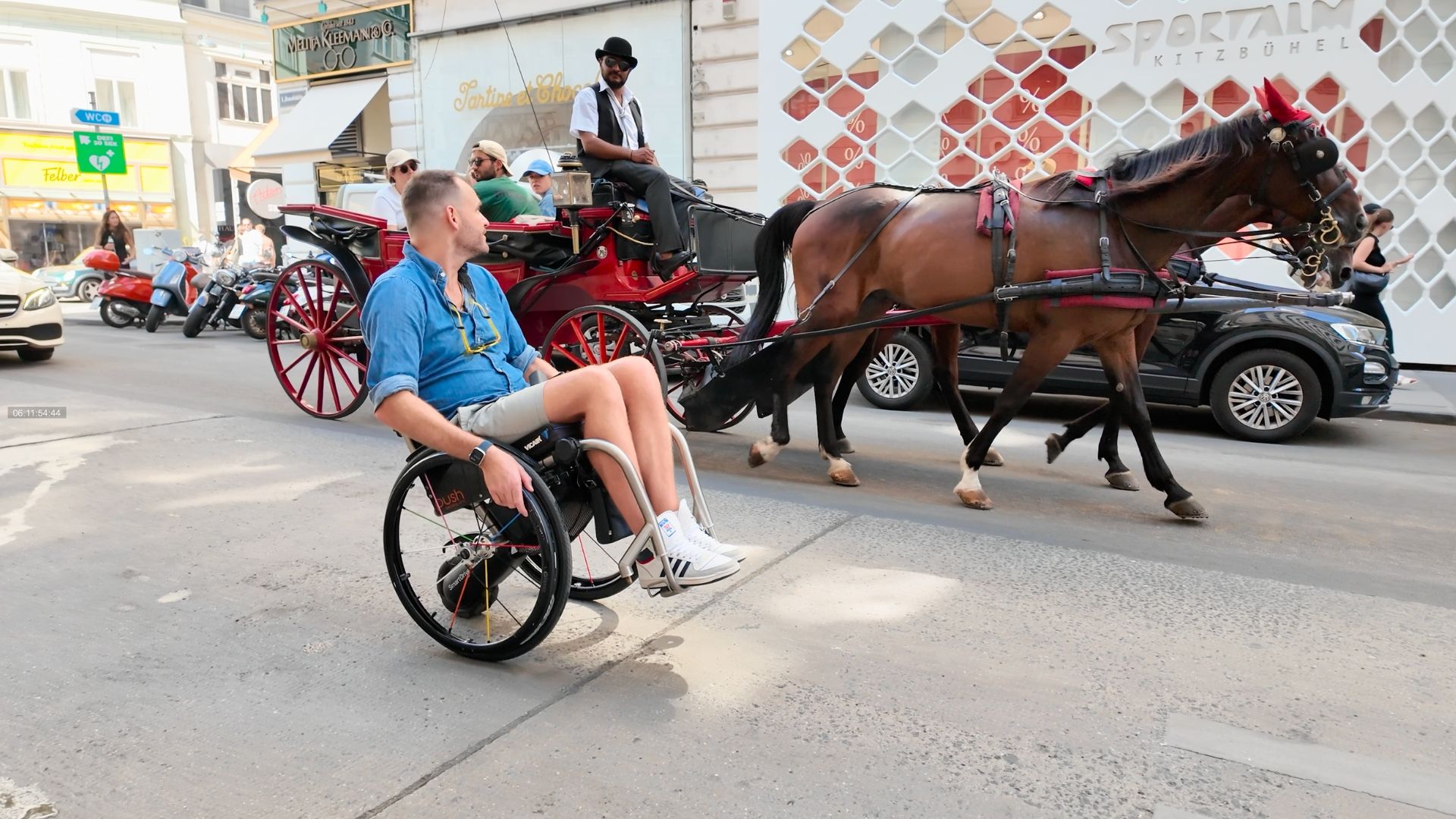
Looking back, he believes that’s exactly what happened. “I’m a better person now than before my injury. Back then, I drank too much, partied too much, and probably wasn’t compassionate enough. Breaking my neck forced me to see life differently — with more empathy and understanding.”
Finding a Voice in Advocacy
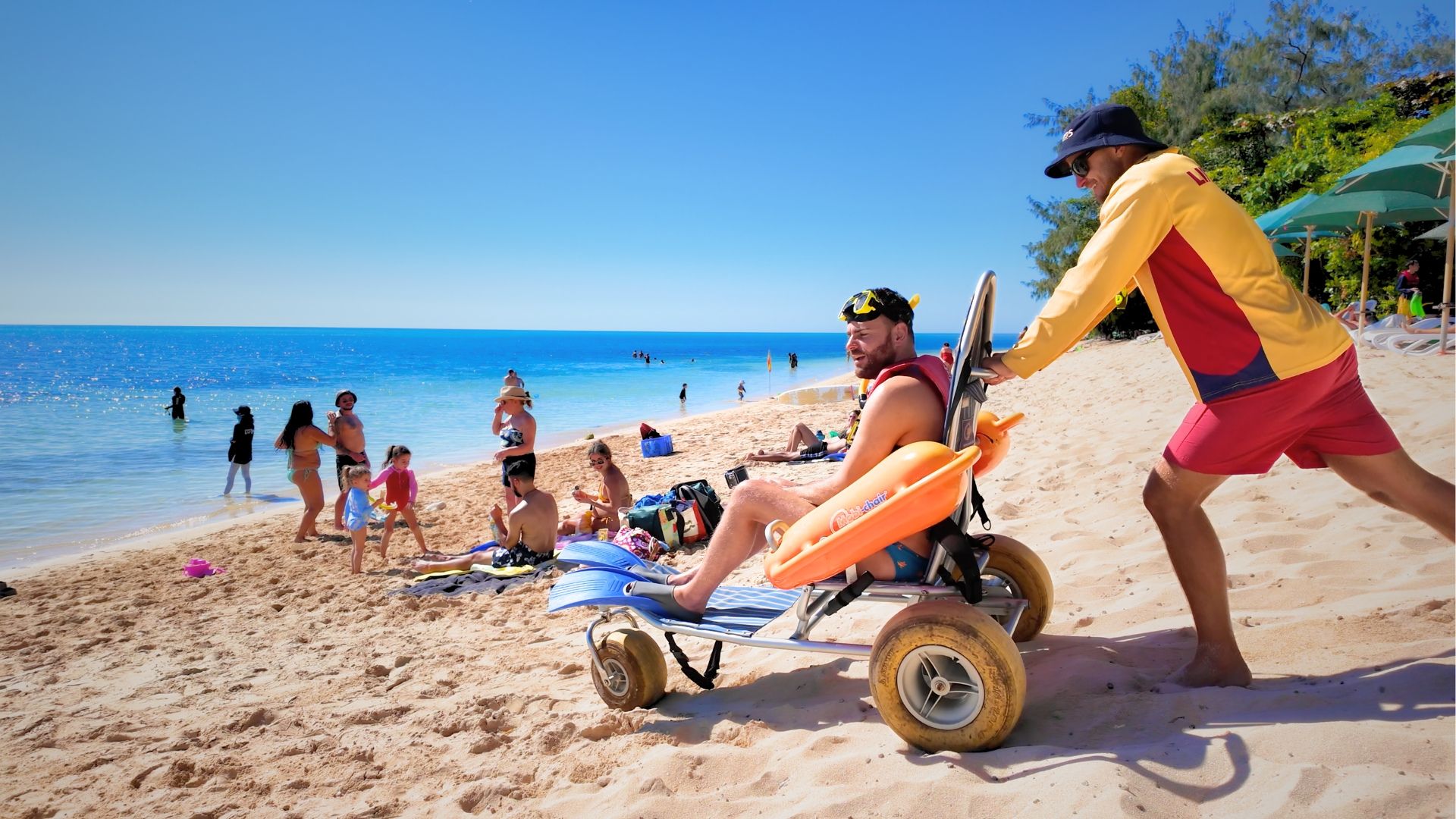
That empathy soon grew into advocacy. Shane began with Accessible Beaches Australia, inspired by a simple discovery. “I used to be a surf lifesaver and spent so much time at the beach. After my accident, I thought beaches were off-limits. Then I saw a photo of someone using a beach mat and thought, ‘Why don’t we have this everywhere?’”
What started as a curiosity became a movement. Today, Accessible Beaches has helped make more than 160 Australian beaches inclusive. But for Shane, the true impact goes beyond mats and beach wheelchairs. “When you make a beach accessible, it changes the entire community,” he explains. “It brings people with disabilities into those spaces, connects them with local residents, and sparks a ripple effect — from accommodation to attitudes. That’s what I love most.”
Through the project, Shane also found his voice as an advocate. “Many people don’t know how to speak up or don’t have the words to advocate for themselves. I realized I could, so I did. And from there, one project led to another.”
Travel: Freedom and Frustrations
Remarkably, most of Shane’s travel has taken place since his injury. “I was only 20 or 21 when it happened, so I hadn’t traveled much before. I’ve only ever really known the world through the lens of my disability.”
He admits there are challenges, especially when it comes to accommodation. “If you can’t access your bedroom or the shower, the whole trip suffers. The stress of just finding somewhere to rest can be huge. Then there are activities — you want to explore, but it depends on whether operators make them accessible.”
Still, he doesn’t shy away from risk. In fact, he embraces what he calls the “right to risk.” “Too often, people say, ‘We can’t let them do that — they might get hurt.’ But able-bodied people get hurt too. People with disabilities deserve the same right to take risks.”
This philosophy underpins Wheel Around the World, Shane’s travel series that combines high production values with raw honesty. His videos show not only what works but also what doesn’t. “Sometimes my content is a mix of ‘how to’ and ‘how not to’ travel,” he laughs. “But that’s the reality — I book things the same way anyone else does, and I show the experience as it is.”
The next big dream? To bring the series to television or a streaming service. A recent trip to Taiwan was filmed at near-broadcast quality, and with government funding secured for post-production, Shane hopes it will open the door to a larger platform. “If I could choose, I’d love season one to be a full lap around Australia,” he says. “It would be the perfect place to start — right in my own backyard.”
A Week in Grenoble
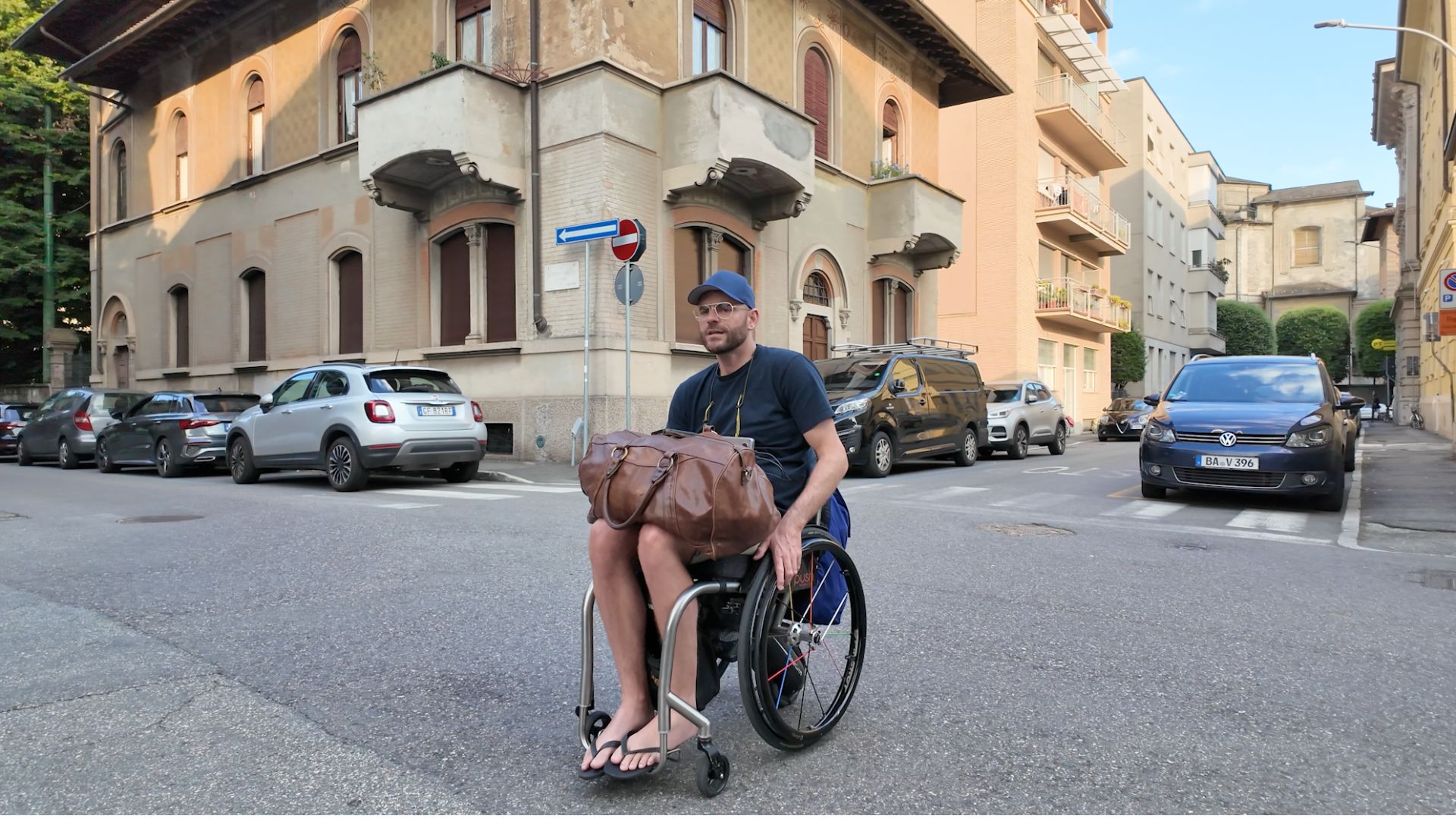
Of all the places he has visited, Grenoble, France, stands out. “I arrived when the city was practically empty because everyone had gone to the beach. I planned to stay one night, but ended up staying a week. The city was flat, the transport was excellent, the shops were accessible, and people were friendly. It was so refreshing.”
But the world is still calling. “Honestly, there are so many destinations I want to visit. That’s the beauty of Wheel Around the World — the world is enormous. You could travel to a new country every month for the rest of your life and still not see it all.”
Learning From Experience
For Shane, being seen as an “expert” in accessibility has been a double-edged sword. “You learn quickly through your disability. The challenges and barriers you face teach you what’s broken and what needs to be fixed. Then suddenly, able-bodied people start looking at you as an expert.”
It can be tempting to assume that becoming disabled automatically makes someone an accessibility expert. In reality, lived experience only takes you so far. Even after 35 years as a wheelchair user, I (Anthony) still feel like I don’t know half of what I “should” know. People often come to me with questions, and while I can sometimes provide an answer, more often my role is connecting them with someone who truly specializes in that area. Expertise doesn’t arrive the moment you acquire a disability — it comes from learning, researching legislation, understanding entitlements, and paying attention to the details of what should or shouldn’t be there in terms of access.
With that context in mind, Shane’s perspective stood out to me — “When I set up Accessible Beaches Australia, people immediately asked, ‘What about blind people? What about deaf people?’ That’s when I realized I was knowledgeable about life as a wheelchair user, but I didn’t yet understand what other people with disabilities faced. So I began trying to learn from their perspectives as well.”
Shane believes this is especially true in travel. “Accessible travel isn’t just about wheelchair ramps or hotel showers. It has to be seen through the lens of many different people, with many different needs. As manual wheelchair users with a lot of independence, it’s easy to forget that others may need very different solutions. You can never know everything — not even about your own disability, let alone others. But the learning process is rewarding, and through that learning, you grow.”
Over time, his own approach to travel also evolved. “When I first started traveling, I adapted a lot more. I’d think, ‘It’s fine, it’s not accessible, I’ll just find a way and not complain about it.’ But after Wheel Around the World started, I shifted my approach. I wanted to travel the way the average wheelchair user would — to experience things authentically, in the way most people with disabilities would. You and I are fortunate in that we can adapt to environments others might not manage, but that makes it our job to point out the barriers. Those barriers can exclude people with higher support needs, so raising awareness becomes essential. The truth is, I can make do with a lot of different environments — but many others can’t.”
Building Push Mobility
Alongside his media work, Shane is also an entrepreneur. In 2013, he founded Push Mobility, a wheelchair company born out of his own frustration with his equipment.
“My first wheelchair was heavy and uncomfortable. Eventually, I got one I loved — bright yellow with colorful spokes. That experience made me realize how transformative good equipment can be, and I wanted others to have the same opportunity.”
Push Mobility has since grown into one of Australia’s leading suppliers of manual wheelchairs, with most of its staff having disabilities themselves. “People with lived experience understand customers in ways no one else can,” Shane notes.
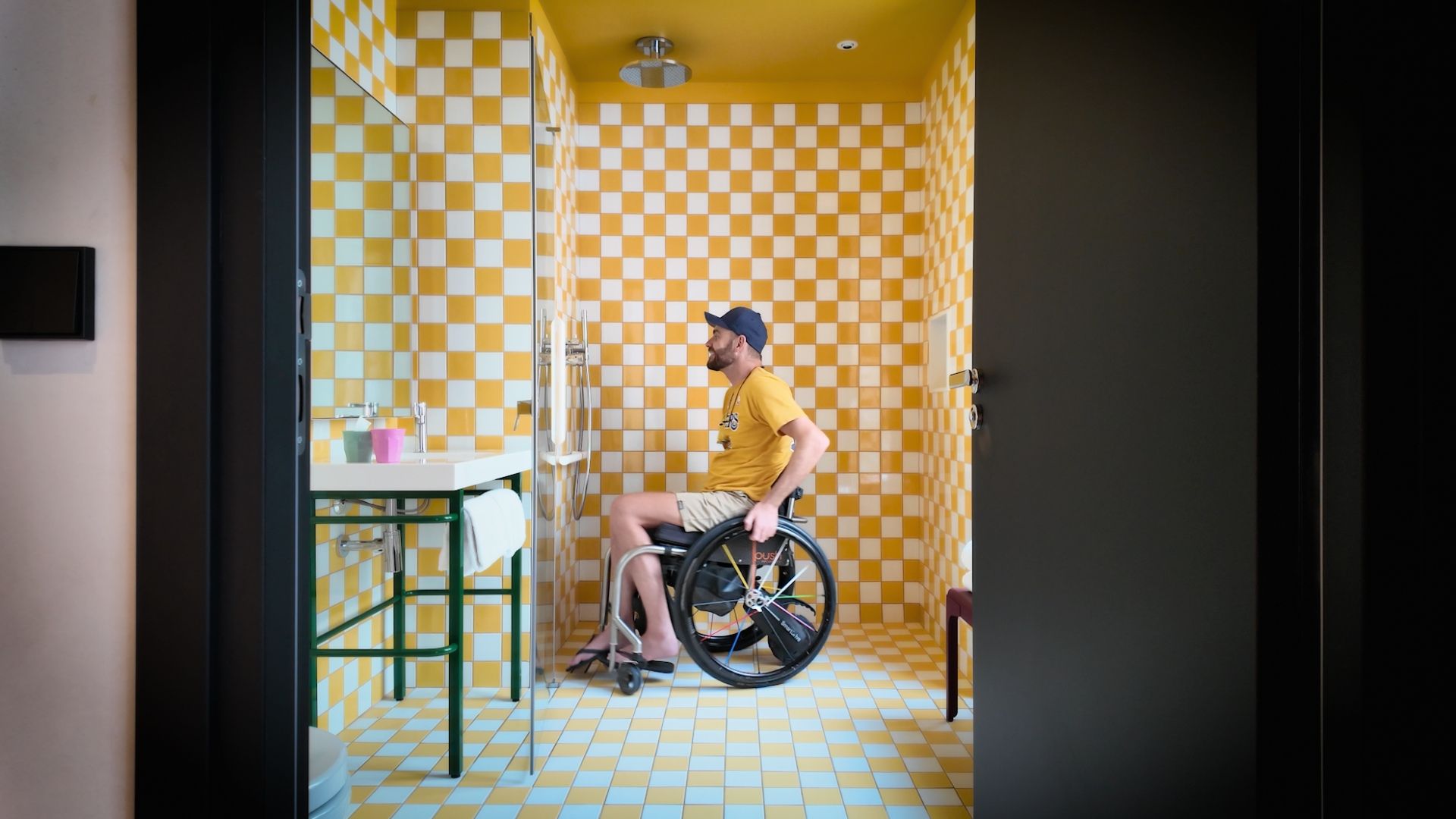
The company’s success has allowed Shane to launch other initiatives, too, including Accessible Beaches, a co-working space, and a gym for people with disabilities. “Creating Push is one of my proudest accomplishments. It sustains me, empowers others, and opens doors for projects that make a difference.”
Politics on the Horizon
Shane’s advocacy doesn’t stop at beaches or business. He regularly meets with local, state, and federal leaders, including Australia’s Federal Disability Minister. “I already work with politics at different levels,” he explains. “I’d like to become more involved, and I’ve thought seriously about entering politics.”
Timing, however, is everything. “Once I start, I won’t stop. Right now, I want to enjoy traveling and creating content. But within the next four or five years, I think it will be the right time.”
Turning Negatives into Positives
For Shane, the through-line in all of this — the accident, the businesses, the advocacy, the travel — is transformation. “I came to see my disability as an opportunity — a way to take a negative experience and turn it into growth,” he reflects. “When I see something broken, I can’t just sit by. I feel compelled to fix it. That’s what defines my life with disability: trying to make the world a little more equitable for everyone.”
From the beaches of Australia to boardrooms and, perhaps one day, parliament, Shane Hryhorec continues to build a story that is as much about resilience as it is about vision. His experiences remind us that while trauma reshapes life in countless ways, it can also open unexpected doors — not by choice, but by how each person finds their own way through.
TWIA
Although all hotel and vacation rental information on this site is thoroughly vetted, we recommend calling ahead to ensure your needs are met.
Newsletter Sign Up:
Thank you!
You have successfully joined our subscriber list.
3 thoughts on “Shane Hryhorec on Wheelchair Accessible Travel, Advocacy, and Wheel Around the World”
I have multiple sclerosis and I love to travel.
I would really like to go back to Florence in Italy because my grandfather was born near there.
Sounds like a wonderful plan. If you ever need any assistance with planning, please feel free to get in touch!
My husband has MS and uses a power wheelchair at home. We will be traveling to Barcelona and Malaga, Spain, and then taking a transatlantic cruise home. We will be using a smaller scooter or his manual chair, but he would be more comfortable in a more substantial power wheelchair while in Spain. Has anyone here rented a power wheelchair in Spain? Any recommendations for a company to use, or to avoid?