
Cape Town for Disabled Travelers: Where the Mountain Meets the Sea
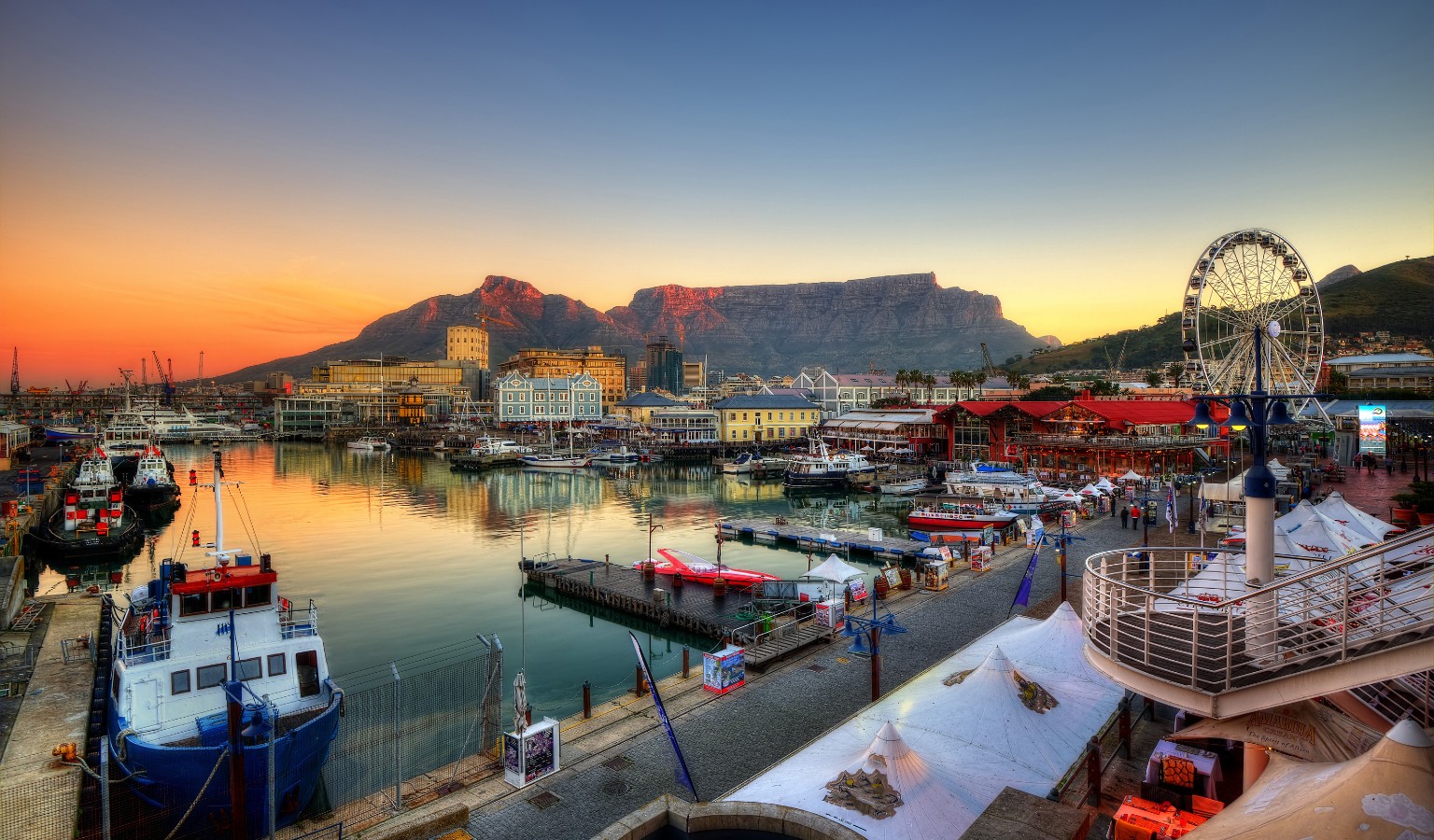
Cape Town for disabled travelers offers something rare — a city where the world feels both vast and intimate. The Atlantic crashes against boulders at Clifton while the slopes of Table Mountain dissolve into soft morning clouds. Between them lies a city alive with color and texture: cobblestone streets lined with old buildings, markets full of commotion, and the scent of salt and seaweed carried on the breeze. It’s Africa’s southernmost city, and with the right amount of planning and local expertise, it’s a destination that’s perfect for an accessible getaway — and certainly one of the more accessible places to visit in Africa.
Access2Africa Safaris may be best known for their inclusive safari experiences for travelers of all ages and abilities, but they also know how to showcase Cape Town. Their four-night (five day) itinerary features sweeping coastal drives, encounters with penguins, gorgeous botanical gardens, and for those that like a tipple, unforgettable wine-tasting experiences. All while ensuring access isn’t a concern for you and your family.
But what about the city’s highlights? Well, perhaps the most iconic spot in all of Cape Town is the awe-inspiring Table Mountain. And with its accessible cableway system, you can glide your way to the top and capture moment-stopping views of the city sprawling below, hugging two separate oceans. You’ll also have a chance to glimpse vineyards and Cape Town’s famous harbor. It’s really not to be missed.
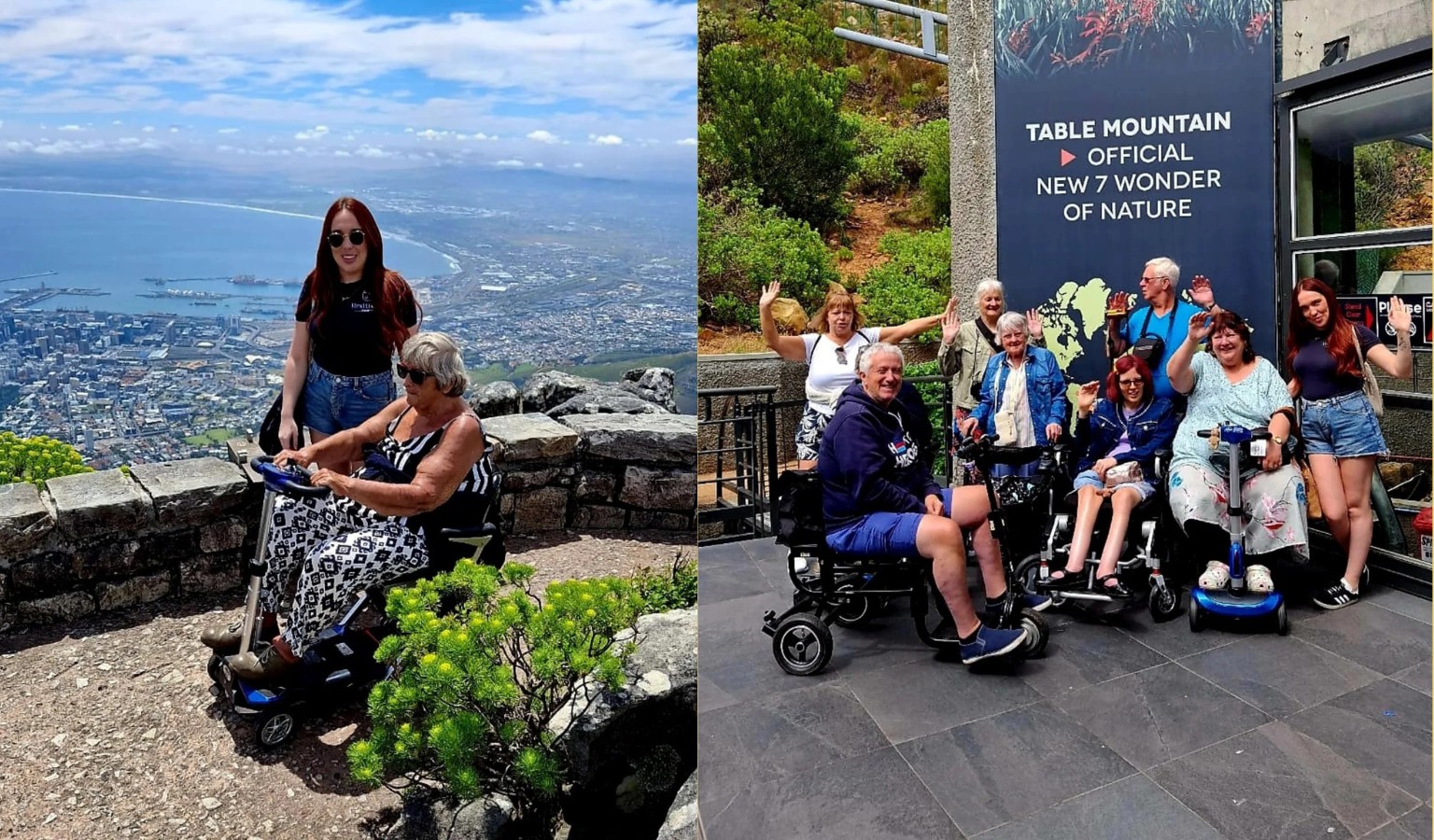
After snapping what feels like a thousand photos and descending from the summit, you can then choose to head to the lush paradise of Kirstenbosch Botanical Gardens. Here you’ll be met with paved walkways that wind their way through indigenous fynbos and past open-air sculptures that hide among the leaves. And here’s something few cities can claim: Kirstenbosch is one of the world’s only botanical gardens set entirely within a UNESCO World Heritage Site. Not only will you find peace there, but you’ll be exploring a landscape both protected and world-renowned.
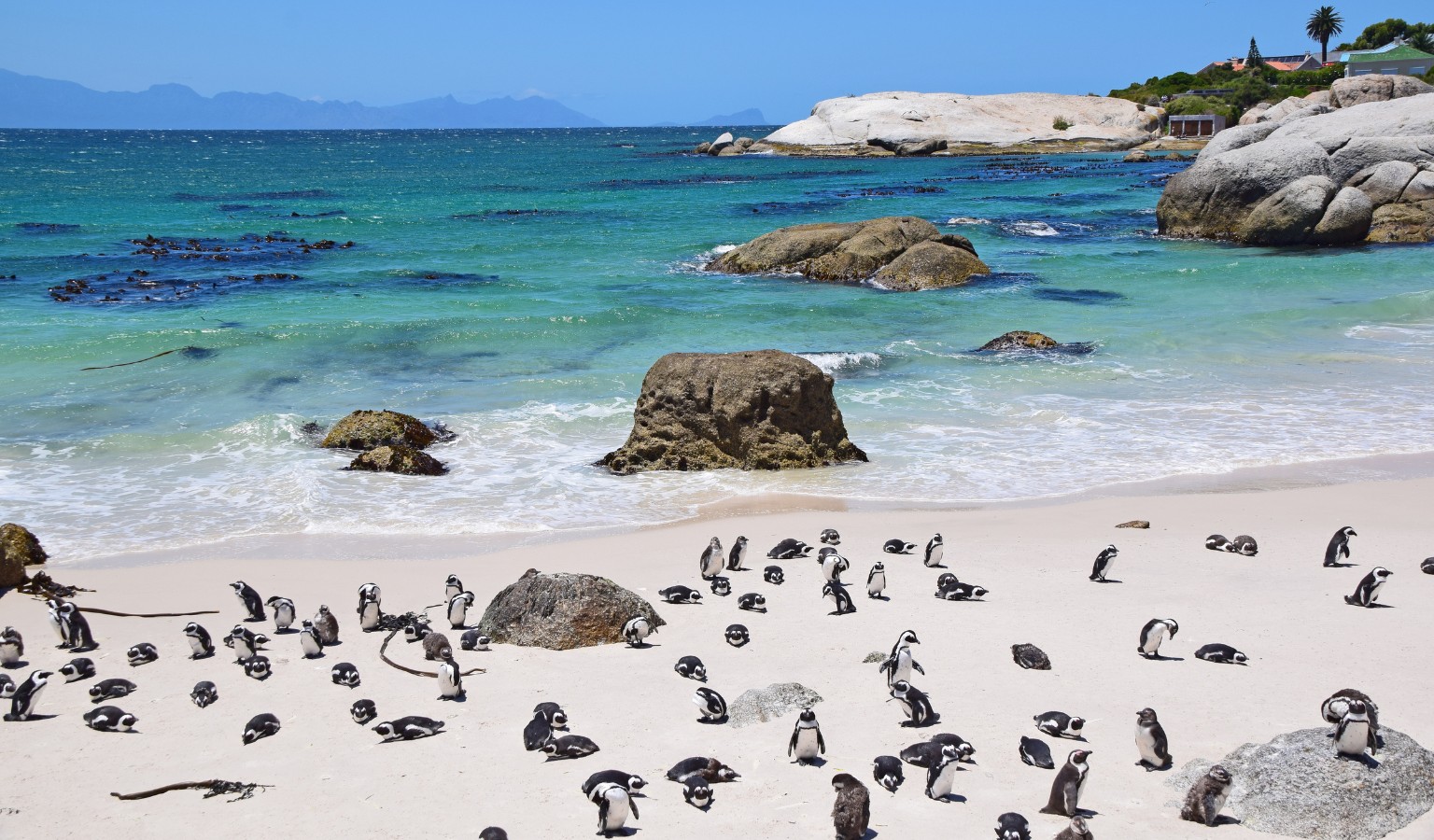
Ask just about anyone, and they’ll tell you that no visit to Cape Town feels complete without a drive to the Cape of Good Hope. The narrowing of the continent brings breathtaking views of cliffs plunging into turquoise waters, with seabirds tracing the horizon ahead. When driving along this road, you’ll pass through Boulders Beach, home to a colony of African penguins that waddle through the sand as if entirely indifferent to human curiosity. The accessible boardwalk brings you close enough to hear their soft, comical braying. Beyond that lies Cape Point, where an accessible funicular takes visitors to the old lighthouse for views that seem to belong to another world. Returning via Chapman’s Peak Drive — one of the most beautiful coastal roads on Earth — if you time it right the late sun will be glancing off the water and you’ll soon understand why locals call it “the fairest Cape.”
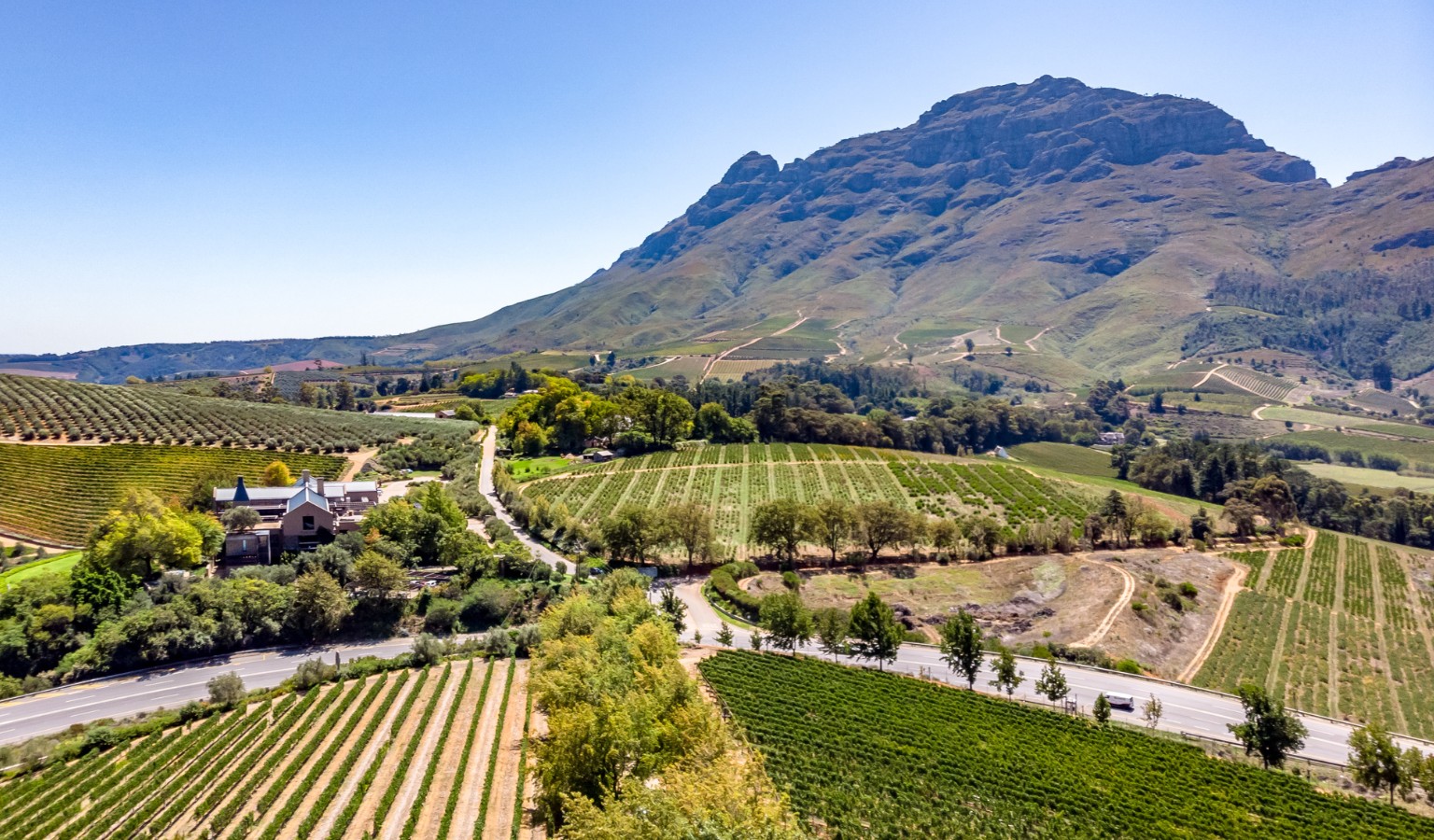
Switching gears and heading east of the city, you’ll soon find yourself in the heart of the Winelands, where life moves at a slower rhythm than in the bustle of Cape Town. Stellenbosch, Franschhoek, and Paarl are all within an hour’s drive and are wine regions that Access2Africa Safaris gladly includes in their itineraries. Many tasting rooms are accessible, opening onto wide verandas that overlook endless rows of vines fading into the horizon — each with its own deeply rooted story of Cape Dutch homesteads. It may sound like a marketing cliché, but here you really can taste the landscape and its heritage in every sip.
Short of renting a car yourself — or if you have some level of independent mobility and don’t mind using the hop-on hop-off buses — you really are better off enlisting the help of an accessible travel specialist such as Access2Africa Safaris, as it is by far the best way to reach the Winelands. Places like Stellenbosch, Franschhoek, and Paarl can be surprisingly difficult to access without support.
There is, however, one other option: Greyhound South Africa. The company does appear to offer wheelchair-accessible buses that serve all three destinations. Yet when you look at the schedules and try to figure out how and when you could get a bus to any of the three locations, you’ll find that the story starts to look a little murkier. Both Stellenbosch and Franschhoek don’t appear to have daily buses running (at least not at the time of writing this), but instead have a service once every second day. Return journeys on the same day also appear to be rather hit and miss, with more often than not, there being no return on that same day. Paarl on the other hand has a more regular service, with some days seeing three buses per day leaving Cape Town. Please also note that the Greyhound website advises passengers using wheelchairs or mobility aids must contact the company in advance.
All of which highlights a familiar reality: independent travel, while possible, can quickly become a logistical nightmare. These are precisely the moments when expert accessible travel operators like Access2Africa Safaris prove that they’re worth their weight in gold — removing the barriers so travelers can simply enjoy the experience.
Back in the heart of Cape Town, down by the V&A Waterfront, step-free promenades follow the water past live music, open-air restaurants, and small markets selling crafts and keepsakes. In the evening, the Atlantic catches the shimmer of lights from The Cape Wheel (which is another accessible highlight, with two of its 30 cabins specifically designed for wheelchair users) while Table Mountain, an impressive stable in the city, no matter where you look from, stands watch above the twinkling marina.
When it’s time to eat, there’s an abundance of choice: Malay curries, Italian trattorias, and contemporary South African tasting menus all waiting to be discovered. Most waterfront restaurants cater well for disabled patrons — Ocean Basket is often cited as extremely wheelchair accessible, and the fast-food chain Wimpy even offers braille menus.
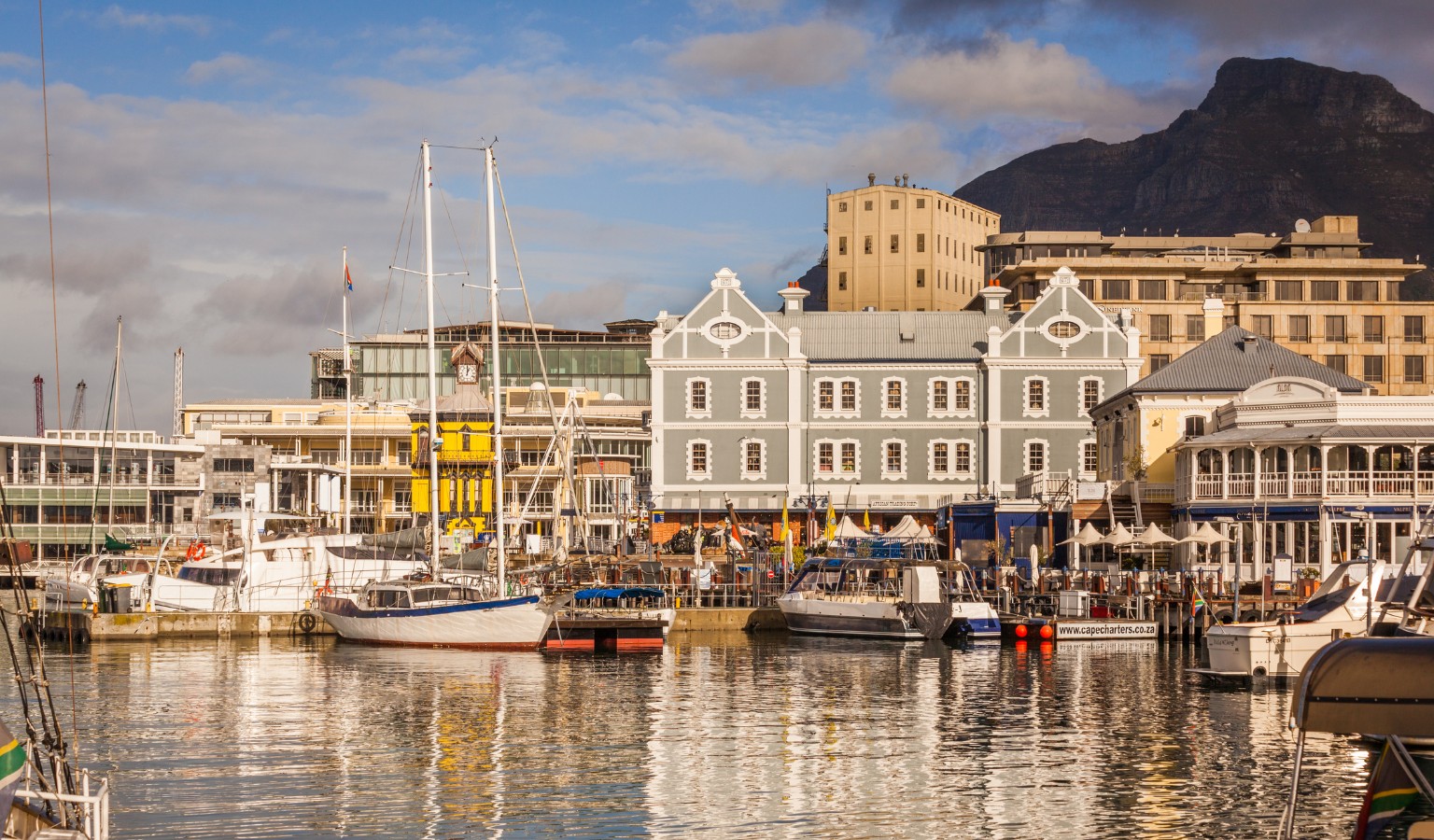
One of the things I love hearing most about Cape Town is that people tend to be solution-oriented. Accessibility seems to be far less about box-ticking and much more about genuine inclusion. There’s a warmth to the people — something I’m often told by friends and colleagues, including the incredible team at Access2Africa. It would appear that the city has a way of drawing you in, and perhaps that’s why it’s long been high on my personal list of places to visit.
Access2Africa Safaris builds on that same spirit of welcome and optimism. Again, at the risk of sounding ever-so-slightly cliché, their guides are more than just professionals — they’re storytellers and steady hands, attuned to the small details that turn a trip into a memory. Their experience goes far beyond wheelchair-accessible airport transfers or epic wilderness drives further north; they make Cape Town itself a place worth cherishing, where you never have to wonder whether your mobility needs will be met — they simply will be.
For anyone who believes travel should belong to everyone, Cape Town stands as proof. It’s a city that greets all who arrive — whether on two feet, with a cane, or in a wheelchair — and invites them to see the world from its edge.
If you’d like to plan your own trip to Cape Town, you can reach out to us here at The World is Accessible, or book through our travel-agency partner, Fora. One of their expert accessible travel advisors will connect you with Access2Africa Safaris — where your Cape Town dreams can quickly become reality.

Has this article whet your appetite for exploring new places with an accessible tour company? Check out our list of accessible travel tour operators, including Access2Africa, in ‘9 Accessible Tour Companies That Make Travel Easier For Everyone‘.
TWIA
Although all hotel and vacation rental information on this site is thoroughly vetted, we recommend calling ahead to ensure your needs are met.
Newsletter Sign Up:
Thank you!
You have successfully joined our subscriber list.