
/ News & Opinion /
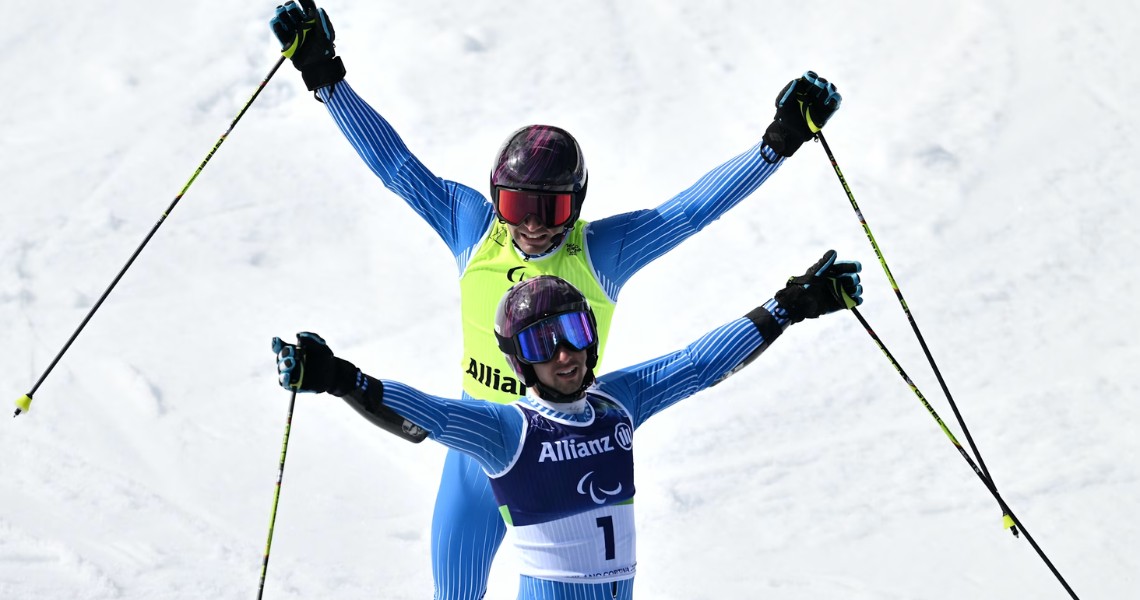
The Milano Cortina 2026 Olympic and Paralympic Winter Games have emerged as a landmark moment in the push for greater accessibility in international sport — introducing measures never before seen at an Olympic event and leaving behind a legacy of inclusion that advocates say could reshape how major venues and cities approach disability access for years to come.
Organizers built their accessibility strategy around two central goals: removing barriers for everyone attending the Games, and creating lasting improvements that would outlive the event itself.
First-of-its-kind provisions for cognitive and invisible disabilities
Perhaps the most groundbreaking shift at these Games was the recognition of invisible and intellectual disabilities in the ticketing process. For the first time in Olympic and Paralympic history, attendees could indicate an intellectual disability when purchasing tickets, unlocking tailored support such as quiet rooms, noise-cancelling headphones, and identification lanyards to signal non-visible needs to staff.
The internationally recognized Sunflower lanyard — already widely used in airports and large public venues worldwide — was made available across all competition and ceremony sites, ensuring that people with hidden conditions or chronic illness could access support without having to explain themselves repeatedly.
Every venue also featured priority lanes staffed by trained personnel, sound insulation provisions, and dedicated areas for guide dogs and assistance animals. People with physical, intellectual, or visual impairments could bring a companion at no barrier, while those with hearing disabilities had access to Italian Sign Language interpreters and communication assistants on-site.
Infrastructure upgrades with community benefits
Beyond the Games themselves, the organizing foundation drove a wave of physical accessibility improvements across host regions. Upgrades to Milan’s metro lines, new accessible rolling stock on local public transport, and station improvements stretching from Bolzano to Tirano all formed part of a broader infrastructure push accelerated by the Games but designed to serve residents long after the closing ceremony.
The Milano Olympic and Paralympic Village was designed from the ground up with universal accessibility principles, and will be repurposed as student housing after the Games — ensuring the investment continues to benefit the community rather than sitting idle.
One of the more symbolic achievements was accessibility works carried out at the Arena di Verona, a Roman amphitheater more than two thousand years old. Organizers pointed to this as proof that no space is too historic or too complex to be made more welcoming.
Sport, training and the Paralympic pathway
On the sporting side, a dedicated programme called Adaptive Winter Sport was developed in partnership with national sports federations and the Italian Paralympic Committee. The initiative included instructor training, open days for Paralympic ice sports, support for youth athlete camps, and equipment donations to clubs and associations across the country.
Global partner P&G contributed sports gear specifically for the development of Para ice hockey, supporting both grassroots participation and the promotion of Paralympic winter sports more broadly.
People at the heart of it
Some 18,000 volunteers were recruited and trained through an inclusive selection process, with dedicated pathways focused on accessibility awareness and welcoming practices. The programme actively sought participation from people with disabilities and young people not in employment, education, or training — offering development opportunities while simultaneously strengthening the human infrastructure of an accessible Games.
A template for the future
Taken together, the Milano Cortina 2026 approach reflects a growing understanding that accessibility is not an add-on but a design principle — one that benefits not just people with disabilities but everyone who moves through public space. Whether it is a 2,000-year-old amphitheater or a brand-new Olympic village, the message from these Games is clear: with the right commitment, any space can be made accessible.

Quick reminder: if you’re looking for expert assistance when planning your next vacation, check out our partners, Fora Travel, whose accessible travel page you can view by clicking the banner above.