/ Travel Guides & Destination Insights / Accessible Australia: Exploring...
Read More
Ask most people when to visit New Zealand and they’ll say summer — long days, warm beaches, the full sensory overload of a country performing at peak. It’s a reasonable answer. It’s also, if you’re travelling with accessibility needs, occasionally the wrong one.
Winter in New Zealand — April through August — is quieter, cooler, and in ways that matter specifically to disabled travellers, often considerably easier. The crowds that pack Hobbiton in December thin out to something manageable. The staff at Milford Sound have time to actually assist you rather than move you along. The TranzAlpine, one of the world’s great scenic rail journeys, rolls through Southern Alps dusted in snow rather than choked with summer tourist groups. And the Dark Sky Reserve at Lake Tekapo — one of the few places on earth where you can fall asleep under the Milky Way — isn’t sharing its booking slots with half of Auckland.
None of this is incidental. For wheelchair users and travellers with mobility considerations, the difference between a venue at 30% capacity and 100% capacity isn’t just aesthetic. It’s the difference between a trip that feels relaxed and one that feels like an obstacle course managed by strangers.
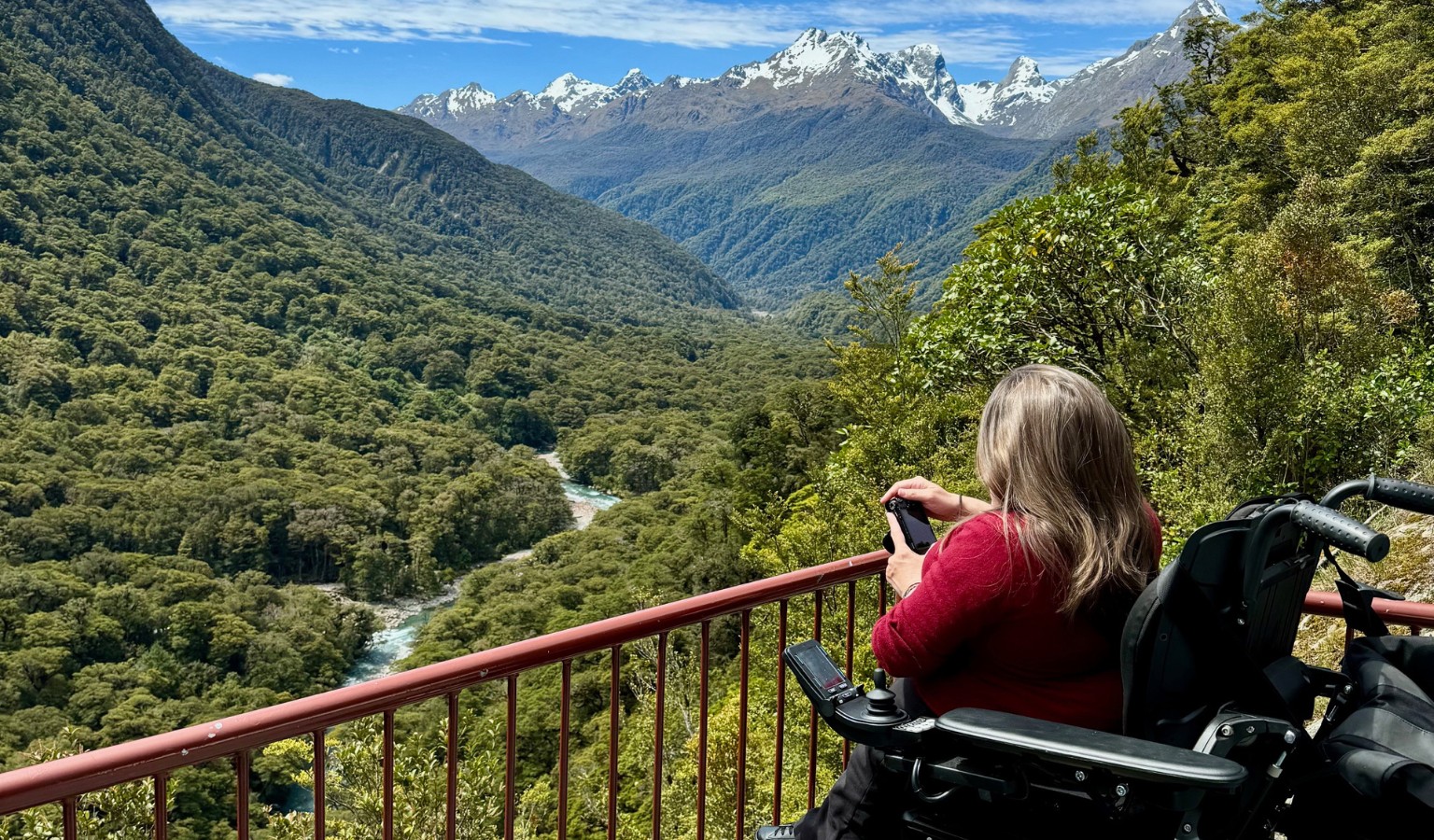
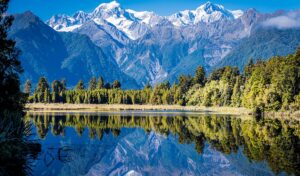
The South Island transforms dramatically from late autumn. Queenstown’s lakefront, already one of the most cinematic places on earth, takes on a stillness in June and July that summer simply doesn’t allow. The road to Milford Sound — 90 minutes of hairpin bends, glacial walls, and subtropical bush so overwhelming you’ll consider abandoning civilization — is less trafficked and, critically, easier to navigate without the summer convoy of campervans. Lake Tekapo and Mt Cook sit under snow-capped skies with the clarity befitting a photographer’s dream.
The North Island, meanwhile, stays relatively mild. Rotorua’s geothermal parks and Māori cultural experiences run year-round and are genuinely well set up for accessibility — Te Puia’s paths are partially wheelchair accessible, while the cultural performances at venues like Te Pā Tū run on schedule regardless of season. Hobbiton, in the Waikato, is accessible and significantly more enjoyable when you’re not navigating it in 28-degree heat with 400 other people.
For travellers who need a slower pace — more time at each stop, less pressure on logistics, accommodation staff who aren’t managing twelve competing check-ins simultaneously — the shoulder and winter months consistently deliver it.
Winter in New Zealand — April through August — is quieter, cooler, and in ways that matter specifically to disabled travellers, often considerably easier. The crowds that pack Hobbiton in December thin out to something manageable. The staff at Milford Sound have time to actually assist you rather than move you along. The TranzAlpine, one of the world’s great scenic rail journeys, rolls through Southern Alps dusted in snow rather than choked with summer tourist groups. And the Dark Sky Reserve at Lake Tekapo — one of the few places on earth where you can fall asleep under the Milky Way — isn’t sharing its booking slots with half of Auckland.
None of this is incidental. For wheelchair users and travellers with mobility considerations, the difference between a venue at 30% capacity and 100% capacity isn’t just aesthetic. It’s the difference between a trip that feels relaxed and one that feels like an obstacle course managed by strangers.
The honest anxiety at the centre of most accessible travel planning isn’t “will it be beautiful?” It’s: will the bathroom actually work? Will the vehicle be what they said it was? If something goes wrong on day three, is there anyone who knows how to fix it?
These aren’t unreasonable questions. The gap between “wheelchair accessible” as advertised and “wheelchair accessible” in practice is wide enough to have ruined many a holiday. Accessible rooms with steps to the entrance. Roll-in showers with lips. Transfer equipment that nobody on staff knows how to use.
The answer, for many travellers, is finding someone who has already done it — who has personally walked (or rolled) every room, checked every vehicle, and built relationships with the operators who, they know, will actually get it done and get it done right.
Ability Adventures is a New Zealand-based accessible holiday specialist with a background in occupational therapy — which matters more than it might sound. OT training means their team understands that you need to ask functional questions, such as: can this particular person, with this particular set of needs, actually enjoy this experience?
Solo travellers, couples, families, small groups — they’ve worked with all of them, across both islands, across the full range of physical, cognitive, and sensory needs. They handle the accommodation vetting, the transport, the activity bookings, the equipment hire if needed. The goal is that by the time you arrive in New Zealand, the logistics are already solved.
For winter travel specifically, they’re particularly well-placed: booking earlier in the quieter season means more flexibility on accessible rooms (genuinely limited in New Zealand’s best properties), better availability on adapted vehicles, and the time to build an itinerary around your energy levels and interests rather than around what’s left.One option worth knowing about: if you’d like a travel advisor alongside the specialist accessibility expertise Ability Adventures brings, Fora Travel — TWIA’s travel partner — can help coordinate the wider trip. Their advisors work with clients on accessible travel and can liaise directly with operators like Ability Adventures, handling flights, logistics, and the pieces that sit outside the tour itself. For travellers who want a single point of contact across the whole journey, including the booking of flights, it’s a combination worth considering.

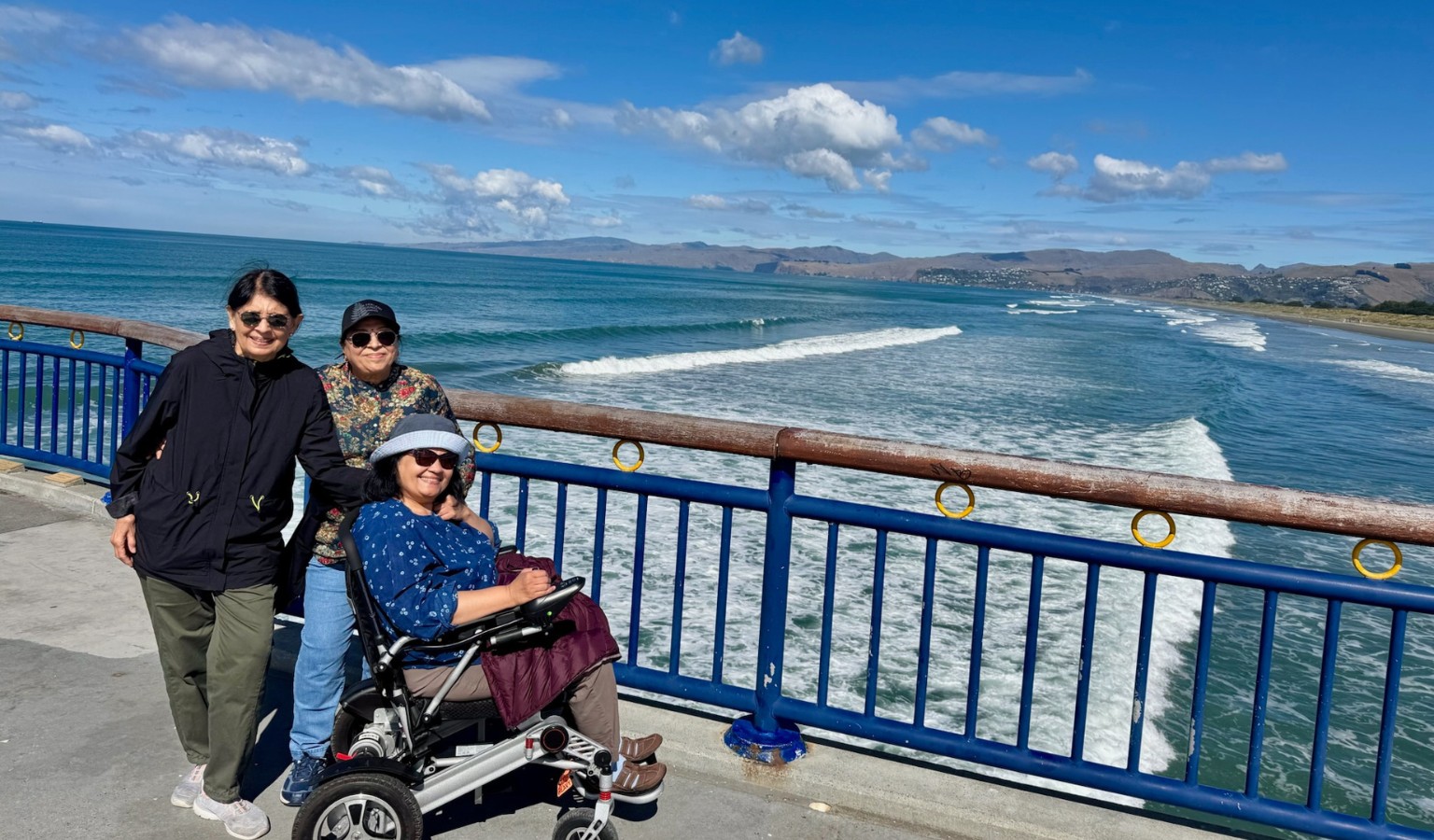
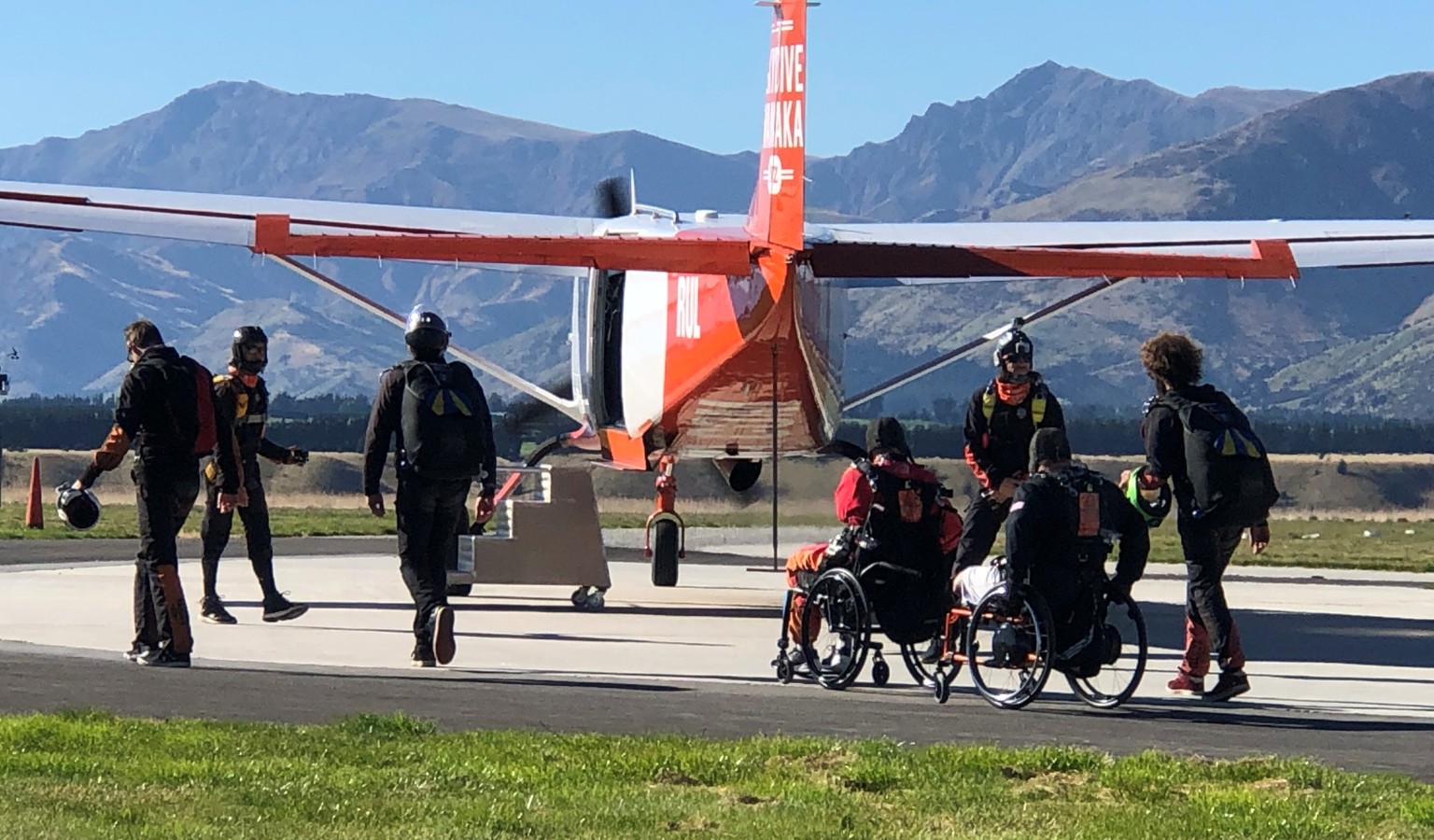
New Zealand’s appeal for accessible travel isn’t a consolation prize. Some of its most celebrated experiences are genuinely, meaningfully accessible:
Milford Sound — roll-on boarding on most cruise vessels, with deck access and seating that doesn’t require you to fight for position. In winter, the waterfalls that feed the sound are at their most dramatic, fed by snowmelt from the peaks above.
The TranzAlpine — KiwiRail’s scenic train across the Southern Alps has accessible carriages and one of the most spectacular views on earth available from a seat. No hiking required.
Stargazing at Lake Tekapo — the Dark Sky Project’s daytime interactive experience is fully accessible, and their evening tours are bookable with accessibility requirements in advance. On a clear winter night, this is something else entirely.
Rotorua’s cultural experiences — Māori culture is woven into accessible venues throughout Rotorua. For a deeper look at what’s available and what to check before you book, our guide to accessible Māori cultural experiences in New Zealand covers the best options across both islands.
Accessible accommodation and specialist transport in New Zealand book out. The best properties have one or two genuinely accessible rooms. The best adapted vehicles go to people who planned ahead. For winter 2026 and 2027 travel, Ability Adventures are currently taking enquiries — and for readers of The World is Accessible, there’s a 10% discount on your quoted holiday price for travel in April, May, June, July, or August of either year. Mention TWIA when you get in touch.
You can reach the Ability Adventures team and start the conversation at abilityadventures.co.nz.
New Zealand in winter is quieter, sharper, and in the ways that matter most, more forgiving. It’s worth going. It’s worth going properly.
The World is Accessible is an independent accessible travel publication. This article was produced in paid partnership with Ability Adventures. All editorial decisions remain with TWIA.
/ Travel Guides & Destination Insights / Accessible Australia: Exploring...
Read More/ Opinion & Community Voices / We Hired a Fora...
Read More/ News & Opinion / Southern Airways Responds After Denying...
Read More/ News & Opinion / The End of Handing Over...
Read More