Planning a wheelchair-accessible journey to the edge of the world? While no destination is perfect, New Zealand’s exceptional specialist operators and accessible infrastructure make it one of the most rewarding long-haul destinations on earth.
New Zealand ranks among the most accessible long-haul destinations on earth — not because it’s perfect, but because the infrastructure is genuinely good, the operators who specialise in disability travel are among the best anywhere, and the landscapes are so extraordinary that the effort of getting there pays off immediately. This guide covers as much as possible (and we’ll continue to add to it): both islands, getting there, getting around, accommodation, the experiences worth prioritising, and the questions to ask before you book.
New Zealand’s three main international gateways are Auckland, Wellington, and Christchurch. All three airports offer full accessibility support — priority check-in, mobility assistance through the terminal, and accessible lounges. Air New Zealand has trained accessibility staff and requests that travellers with wheelchairs or mobility aids notify them at booking so equipment handling can be arranged properly. Do this early: it affects which aircraft you’re booked onto and how your chair is stored.
Practical note on power wheelchairs: New Zealand uses 230V/50Hz power (Type I plugs, same as Australia). If you’re travelling from North America or Europe, you’ll need a universal adapter. Most accessible accommodation will have this, but it’s worth confirming.
Getting the chance to independently travel around New Zealand is like nothing else. The roads are excellent, the scenery demands stopping constantly, and having your own vehicle means you move at your own pace. It also means the logistics — modified vehicle hire, accessible fuel stops, route planning around gradient and surface — are entirely yours to manage.
Self-drive: The specialist to know is Freedom Mobility, who operate a fleet of over 100 modified vehicles across the country: hand controls, left-foot accelerators, wheelchair hoists, swing-out seats. Their service includes a digital accessibility guide to trails and attractions — genuinely useful, not a marketing document. For a first-hand account of driving 1,500km through the South Island with Freedom Mobility, our South Island road trip guide covers the route in detail.
Guided tours: If you’d prefer someone else to have solved the logistics — accommodation vetting, transport, activity bookings, equipment hire — Ability Adventures is the standout operator. Their team has an occupational therapy background, which means they approach accessibility as a functional question about what you specifically can do and enjoy, not as a compliance exercise. They work across both islands with individuals, couples, families, and small groups. For travellers considering winter travel specifically, our guide to accessible New Zealand in the off-season covers why April–August can work particularly well.
Public transport: Most New Zealand public buses and trains have wheelchair access. The InterCity bus network offers assistance for disabled travellers — book in advance and specify your needs. Uber and most taxi companies can accommodate wheelchairs, walkers, and scooters; again, book ahead rather than hailing on the street.
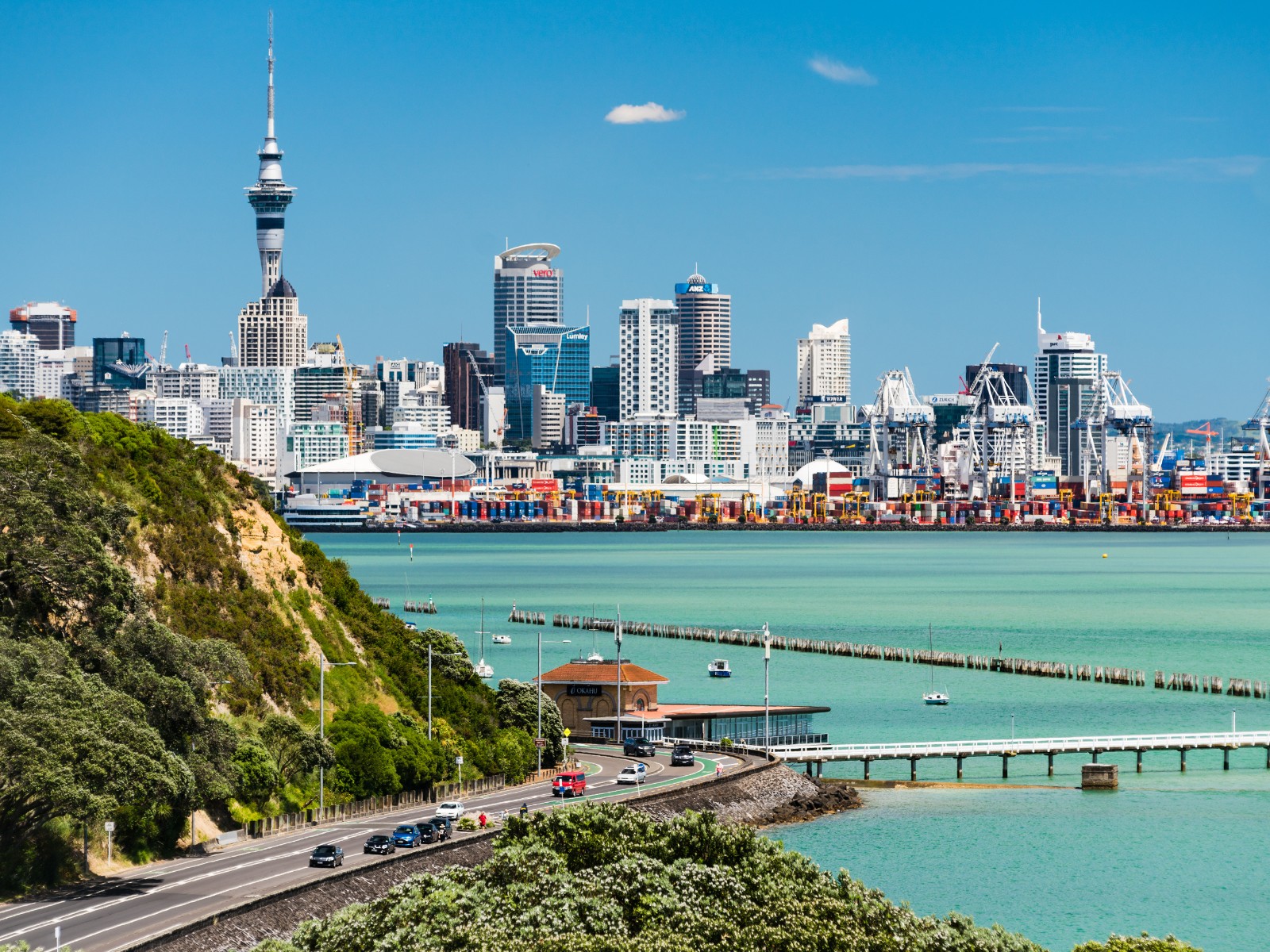
New Zealand’s largest city is reasonably well set up for wheelchair users. The waterfront areas around Viaduct Harbour are flat and accessible. The Auckland War Memorial Museum — home to one of the world’s great Māori and Pacific collections, with daily cultural performances — is fully accessible, including lifts throughout. The Sky Tower has accessible entry and lifts to the observation deck. Central shopping streets vary; Parnell Road is steep in sections and some shops are tight.
One of the most consistently accessible regions in New Zealand, and one of the most rewarding. Geothermal parks, Māori cultural experiences, and wildlife encounters are all within range. Te Puia is the headliner — a geothermal wonderland with deep cultural significance — though note that not all paths are wheelchair accessible; call ahead to plan your route. Te Pā Tū village and the evening Māori cultural experiences there are excellent and manageable. For a full breakdown of accessible Māori experiences across both islands, our dedicated guide covers venues, access details, and what to check before booking.
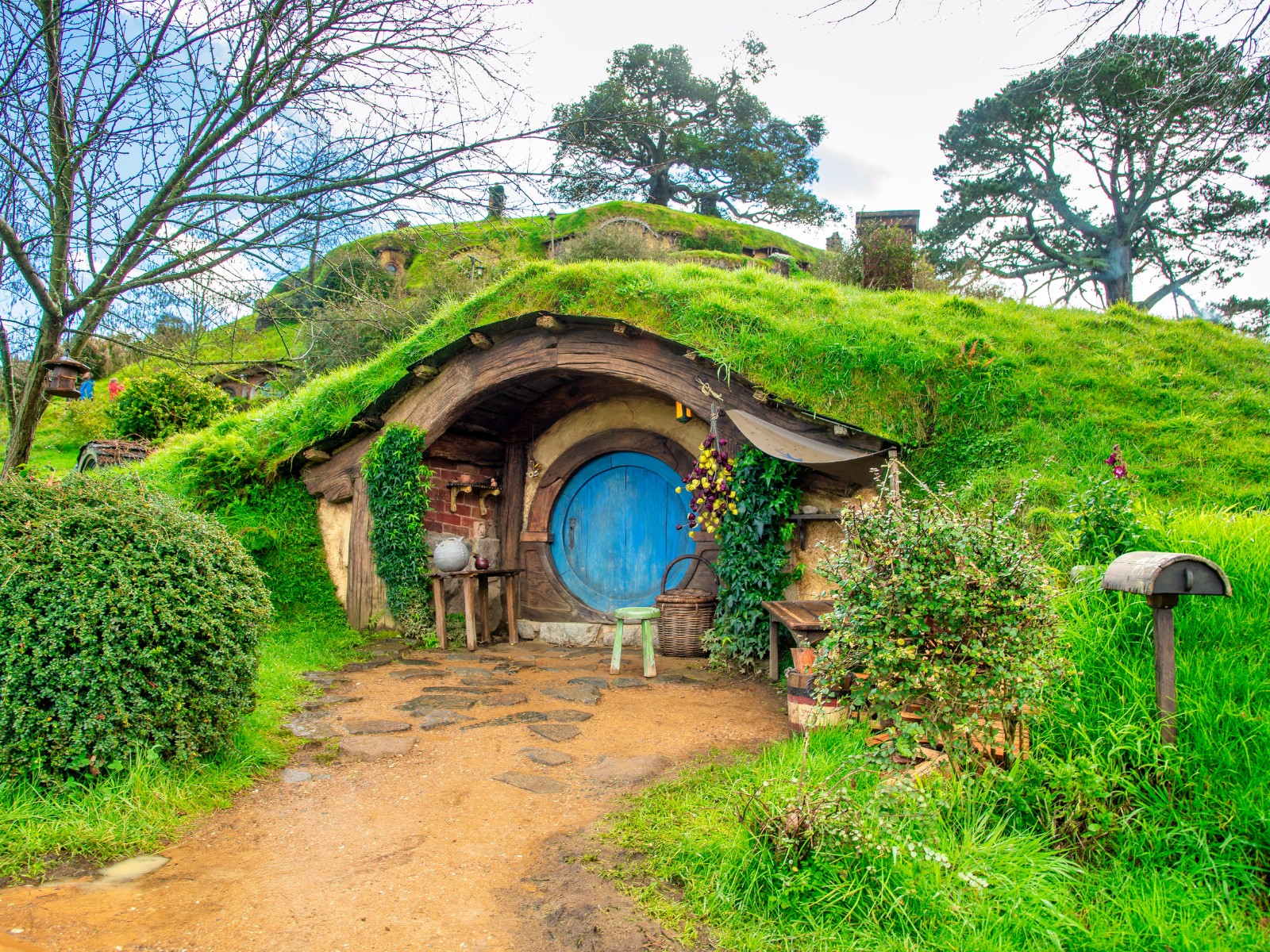
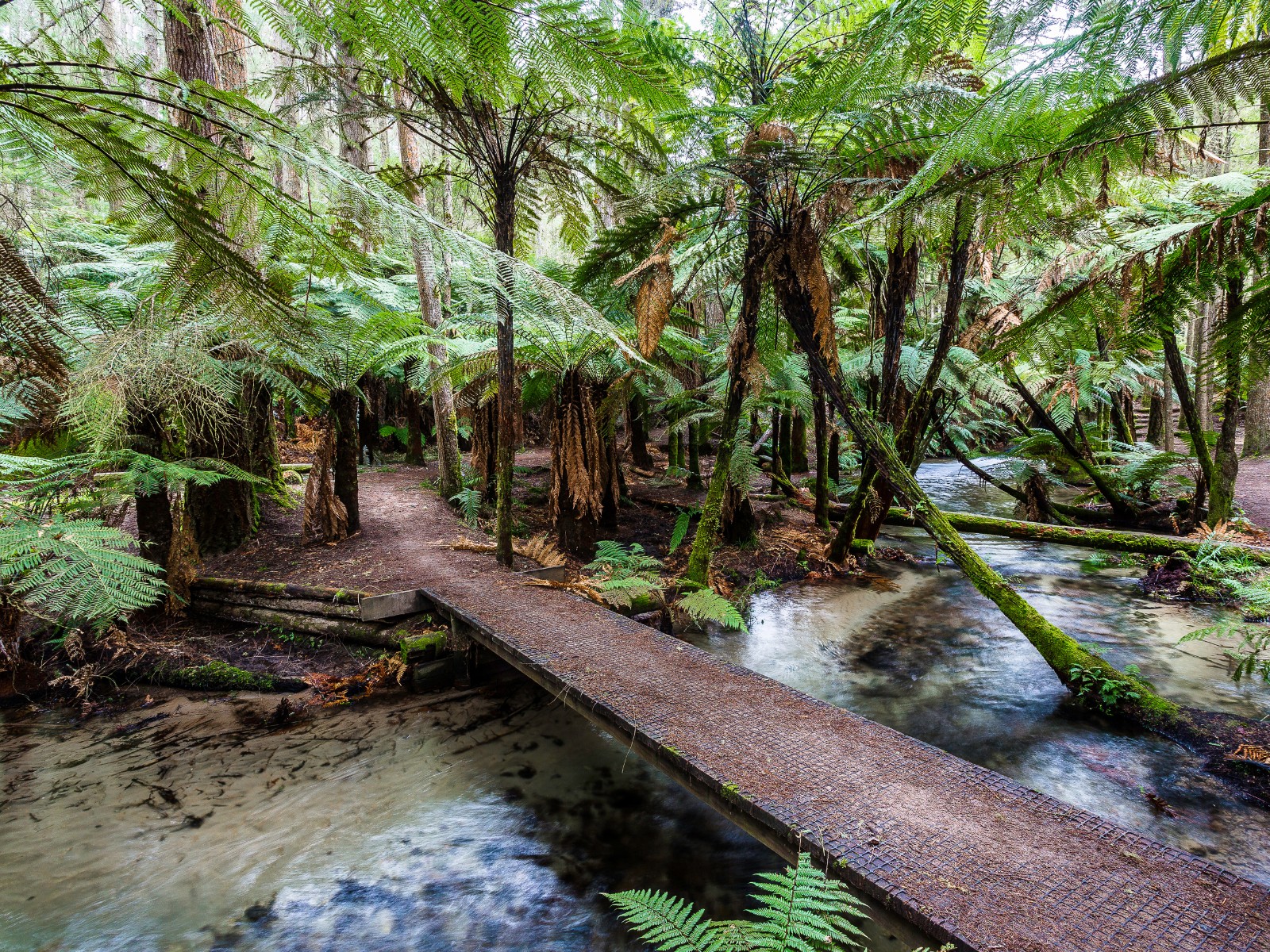
The Hobbiton Movie Set is accessible — pathways through the set are generally manageable for wheelchair users, though there are some gradients. Quieter seasons (April–August) make the experience significantly more enjoyable and allow staff more time to assist. Book well ahead, regardless of season.
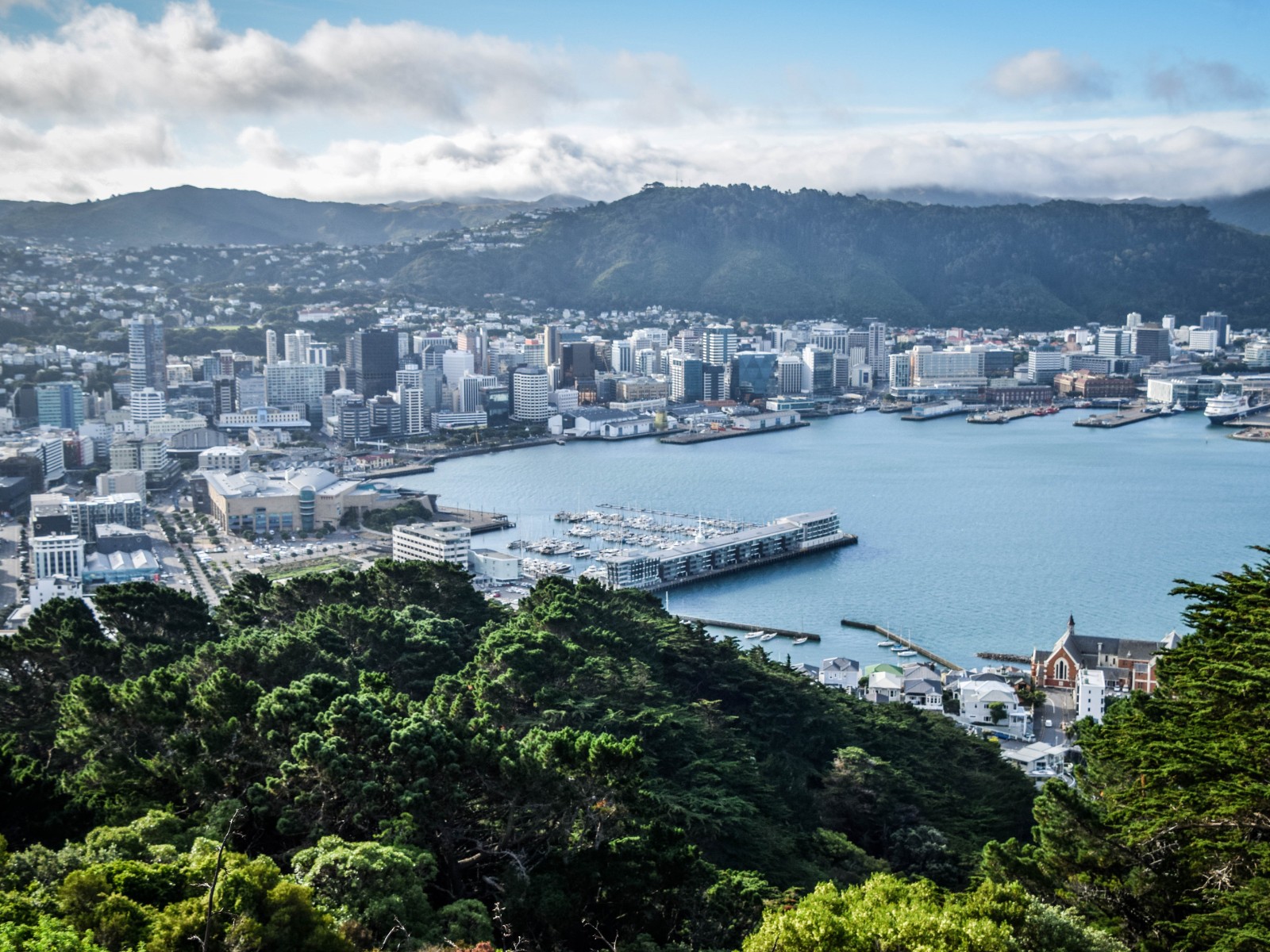
A compact, walkable (and rollable) capital. Te Papa — the national museum — is excellent: multiple floors accessible by lift, outstanding Māori collections, free entry. The waterfront precinct is flat and easy. Wellington’s famous cable car is accessible at both ends. Some of the hilly residential streets are steep, but the central city is manageable.
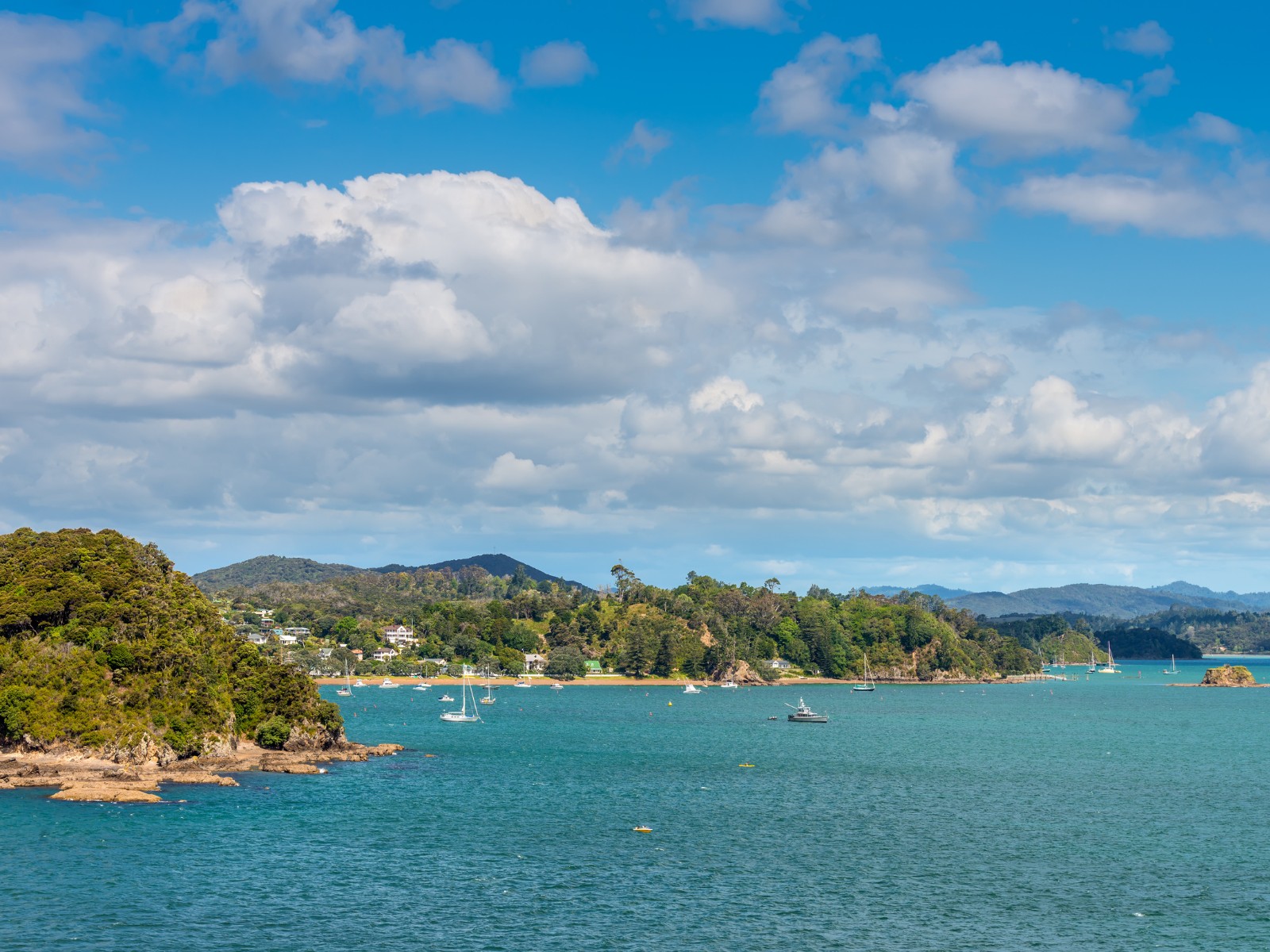
The Waitangi Treaty Grounds are a significant cultural site — hilly in sections, so a companion is recommended for some parts, but a powhiri (traditional welcome) here is genuinely moving. The Waipoua Forest, home to Tāne Mahuta (New Zealand’s largest kauri tree), has an accessible pathway to the tree. Worth the drive north.
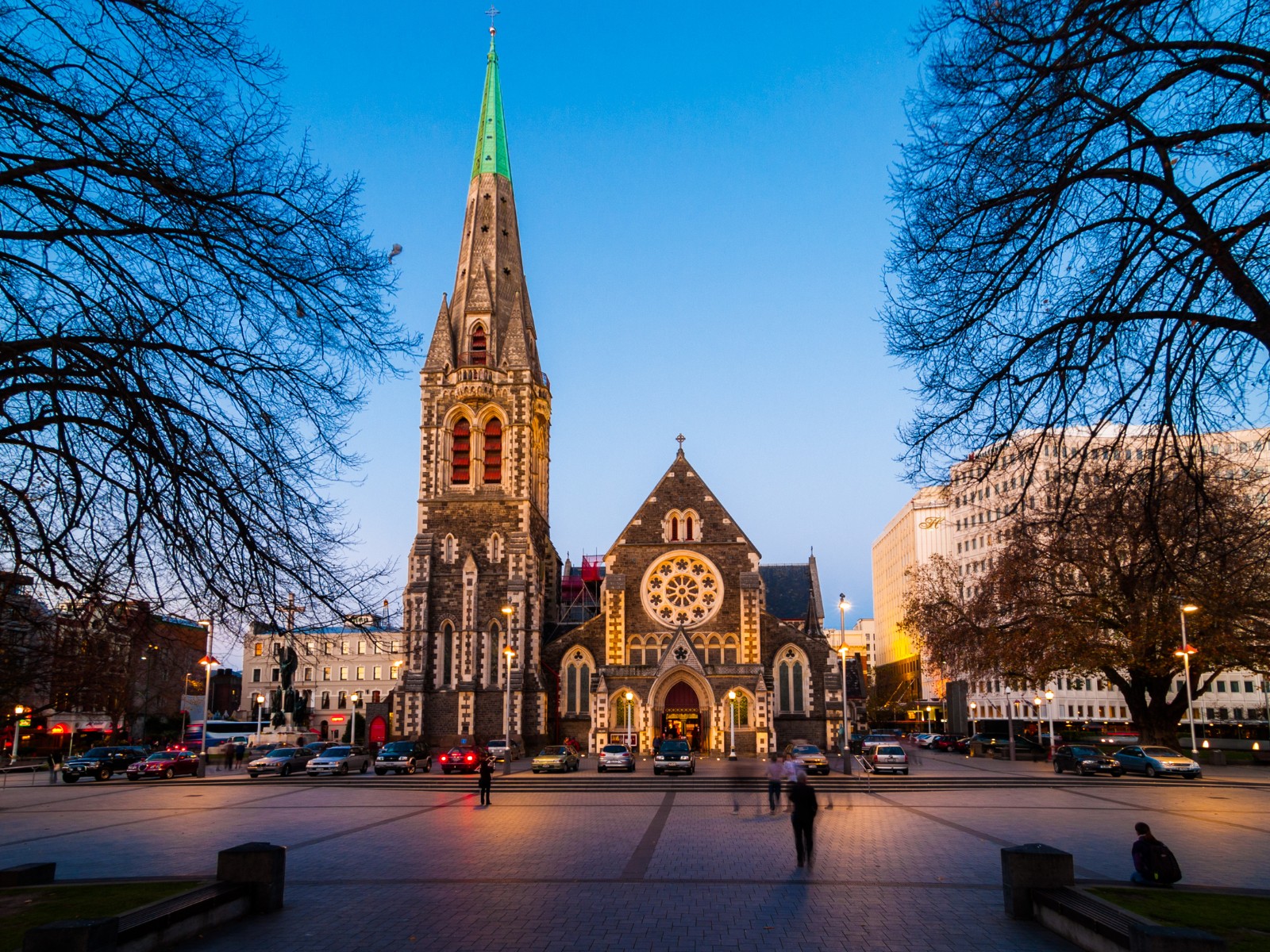
A good base and entry point. The city centre has been substantially rebuilt since the 2011 earthquake, which means much of it is modern and accessible by default. The Cardboard Cathedral is accessible. The Canterbury Museum is accessible. The Botanic Gardens — flat, well-surfaced, expansive — are excellent.
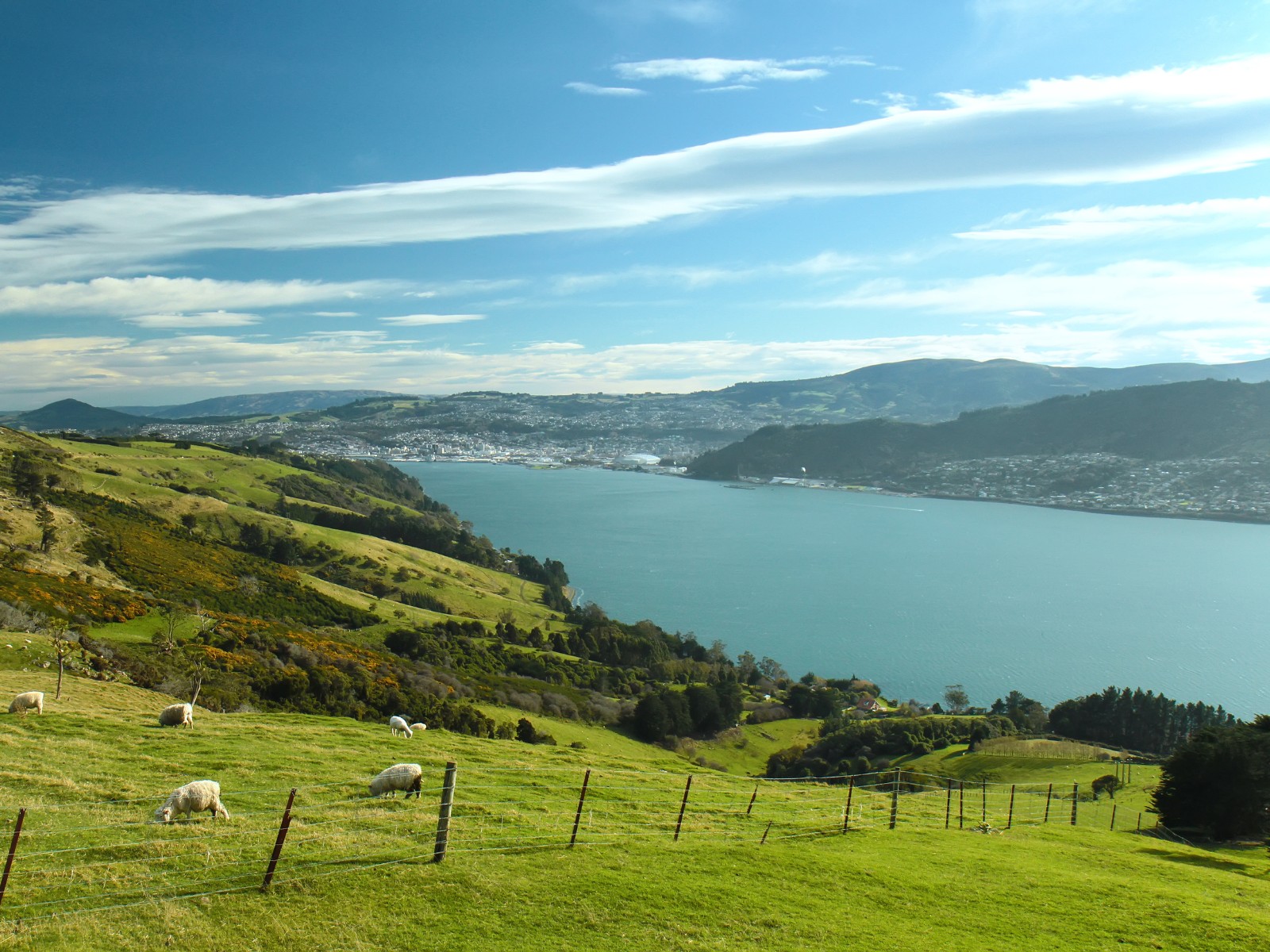
Dunedin is a city of steep hills — including Baldwin Street, technically the steepest residential street in the world, which is worth seeing from the bottom rather than attempting. The central Octagon is lively and flat. The Otago Peninsula offers coastal access and the Royal Albatross Centre, where the main visitor centre is wheelchair accessible and free; the walk up to the observatory is steep, but mobility scooters can be arranged with advance notice.
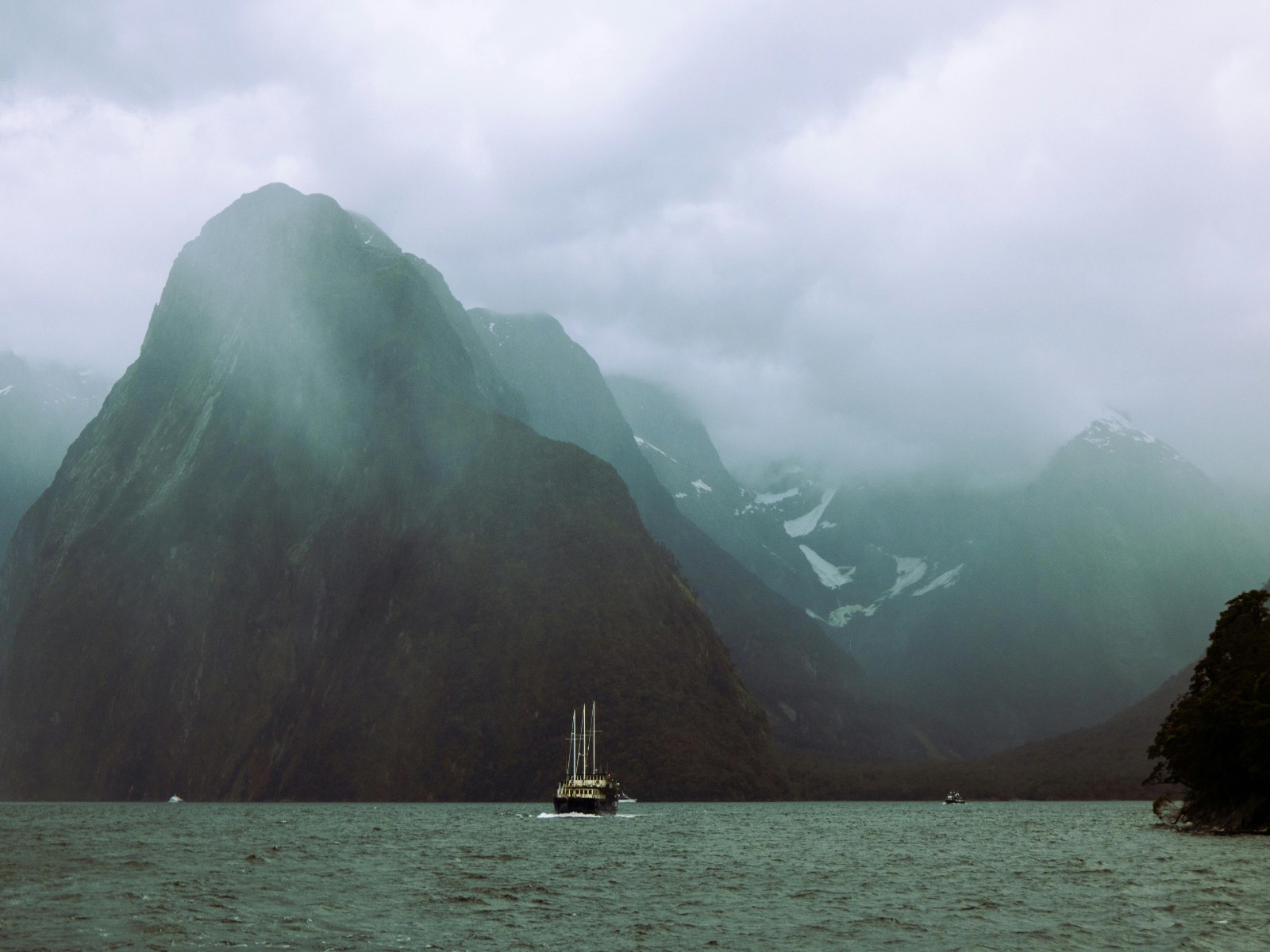
Te Anau is the gateway to Fiordland and an ideal base for Milford Sound. The drive to Milford — 90 minutes through one of the most spectacular road corridors on earth — is manageable in any adapted vehicle. Milford Sound cruise operators generally offer roll-on boarding and deck access; confirm specifically which vessels when booking, as standards vary. In winter, the waterfalls fed by snowmelt are at their most dramatic.
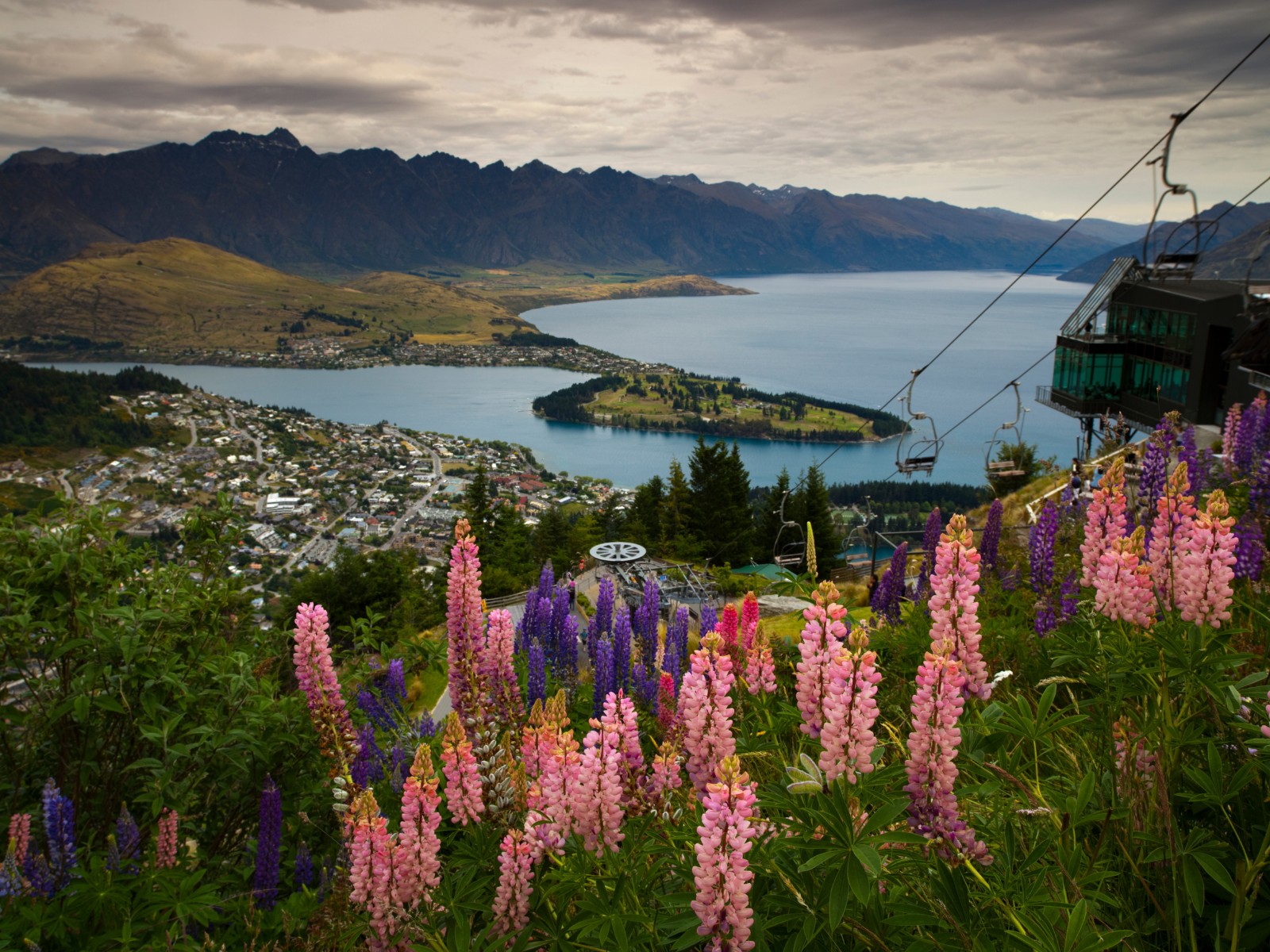
Adventure capital of New Zealand — and more accessible than its reputation suggests. The lakefront is flat and walkable. The Queenstown gondola has an accessible cabin. Jet boat and bungy experiences are partially accessible; operators are experienced at working with mobility limitations and are worth calling directly to discuss. Lake Wakatipu by boat is accessible and offers views of the Remarkables mountain range that justify the trip alone.
The Mackenzie Basin is one of the most dramatic landscapes in the southern hemisphere. Lake Tekapo’s Church of the Good Shepherd sits at the water’s edge — steps into the church itself, but the surroundings are flat, and the view over the lake to the Alps is the point. The Dark Sky Project at Lake Tekapo has a fully accessible daytime interactive experience; evening stargazing tours are bookable with accessibility requirements specified in advance. On a clear winter night, this is genuinely one of the best things you can do in New Zealand.
The TranzAlpine scenic train runs between Christchurch and Greymouth, crossing the Southern Alps in accessible carriages with panoramic windows. No hiking required. One of the world’s truly great train journeys.
New Zealand’s accommodation stock is improving, but the honest truth is that genuinely accessible rooms — not just rooms with a grab rail — are limited, especially at the properties worth staying in. “Accessible” in a booking platform listing often means roll-in shower and wider door; it doesn’t always mean wet room, hoist point, or turning space for a power wheelchair.
Before booking anywhere beyond large chain hotels, call and ask specifically: What is the door width? Is there a lip on the shower? What is the bed height? Is there a hoist or ceiling track? Is the parking accessible and close to the entrance?
The best accessible properties book early, especially for peak summer and school holiday periods. If you’re using a specialist operator like Ability Adventures, they will have already done this vetting. If you’re self-organising, build in extra lead time.
If you’re looking for an accessible short-term rental, keep an eye on our New Zealand Accessible Rental Homes page, where we will be adding more listings frequently.

New Zealand’s summer (December–February) offers the best weather and the longest days. It also offers the largest crowds, the highest prices, and the most pressure on accessible accommodation and transport availability.
Autumn and winter (April–August) offer something different: quieter attractions, more staff availability, and — in the South Island — landscapes that are arguably more dramatic under snow. The cooler temperatures are manageable with the right clothing. For travellers who need a more relaxed pace, reduced crowd pressure at venues, or simply more time with the people who are supposed to be helping them, the off-season is consistently underrated.
Spring (September–November) splits the difference — warming up, starting to get busy, but still manageable.
Have you travelled in New Zealand as a wheelchair user or with other accessibility needs? We’d love to hear your experiences — the TWIA community is 50,000 strong and the best advice usually comes from people who’ve been there. Find us on Facebook or drop us a line at hello@theworldisaccessible.com.