We have seen this before
In April, we covered a strikingly similar incident involving actor Marissa Bode, who was denied boarding on a Southern Airways flight because the regional aircraft required passengers to climb stairs. Southern Airways had a legal carve-out to lean on given the size of its planes, but the underlying problem was identical: a disabled traveler turned away at the gate, treated as an afterthought rather than a customer.
Bode’s response then was not to chase a payout. It was to demand systemic change, specifically that airlines stop treating accessibility as a reactive problem to solve after something goes wrong and start building it in before it does. That challenge applies just as clearly here.
These incidents are not random failures. They are symptoms of an industry that has not figured out how to embed accessibility into its operations, training, or culture in any consistent way.
What disabled travelers are actually being told
Bullock made a pointed observation in her public statement: if disabled passengers are expected to travel with a companion whenever they fly, they are effectively being charged twice for the same journey. That is not a minor inconvenience. It is a structural barrier to independence.
Some people cannot travel with a companion. Some do not have one available. Some simply want the same freedom to move through the world that non-disabled travelers take as a given. Being told you can only fly if someone comes with you is not a reasonable accommodation. In many cases, it is not a legal one either.
The reality of flying with a disability is already full of indignities. Mobility equipment gets damaged or lost. Assistance requests are mishandled. Lavatories are inaccessible on many aircraft. Transfers are humiliating. And now, increasingly, passengers are being turned away at the gate entirely.
The bottom line
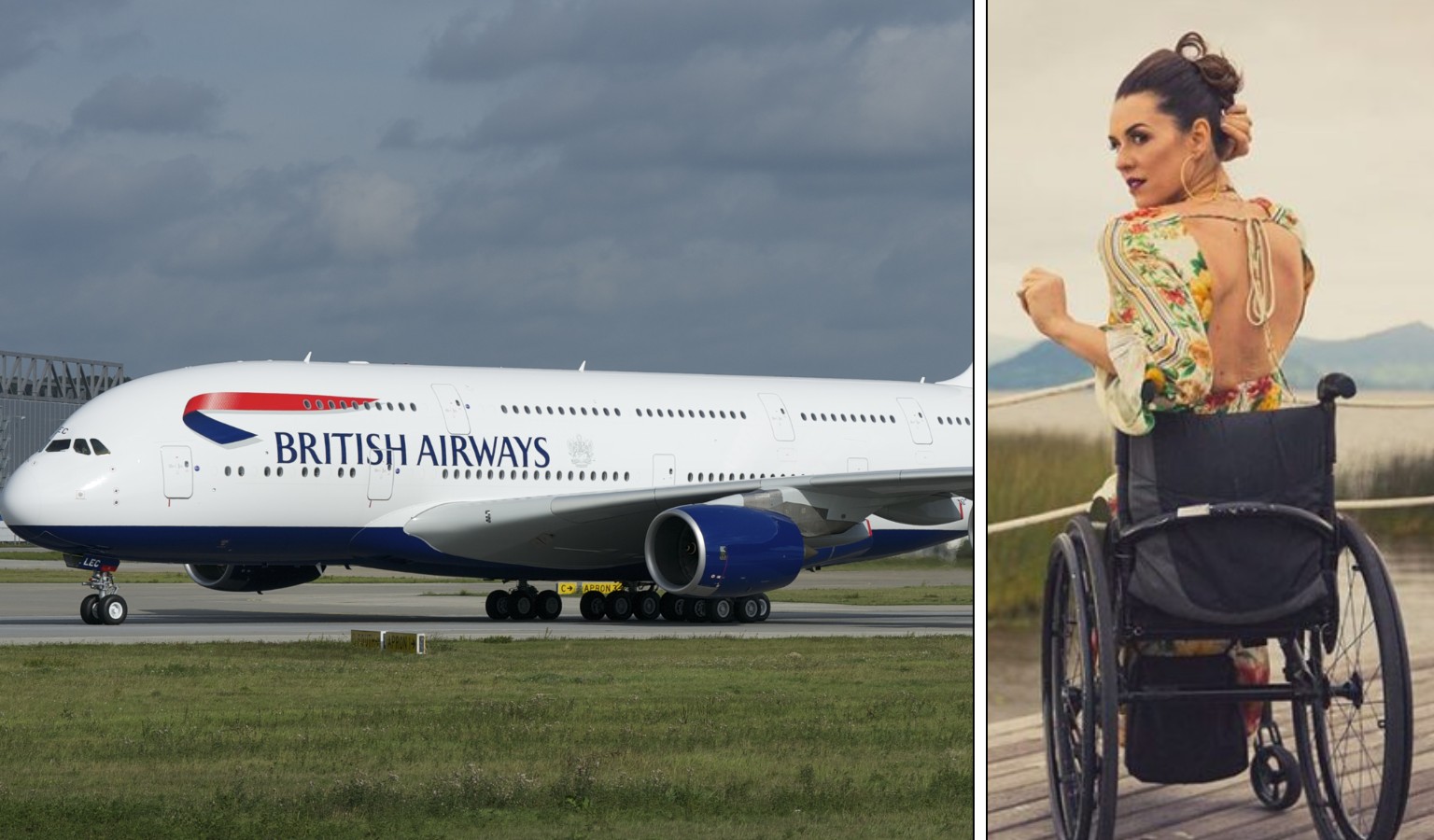
British Airways has not explained what happened, only that it is looking into it. That needs to change. If the airline denied boarding based on bathroom access alone, on a U.S.-departing flight, that is a serious problem. If the concern was evacuation, the airline owes a clear explanation of what assessment was made and on what basis.
We will continue to follow this story. And we will keep saying what we said after Southern Airways: this is not one airline getting it wrong on one bad day. It is a pattern, and the industry needs to treat it as one.






One Response
If a disabled person is not able to evacuate a plane, a facility, etc., on their own, is that a justified reason for not allowing someone on a plane or not allowing someone to sit in certain parts of an arena because for instance, they think you will block other people from evacuating because of your Wheelchair? Is this allowed by the ADA in general, I know the airlines have their own specific rules, but are they allowed to do this too?