/ Opinion & Community Voices /
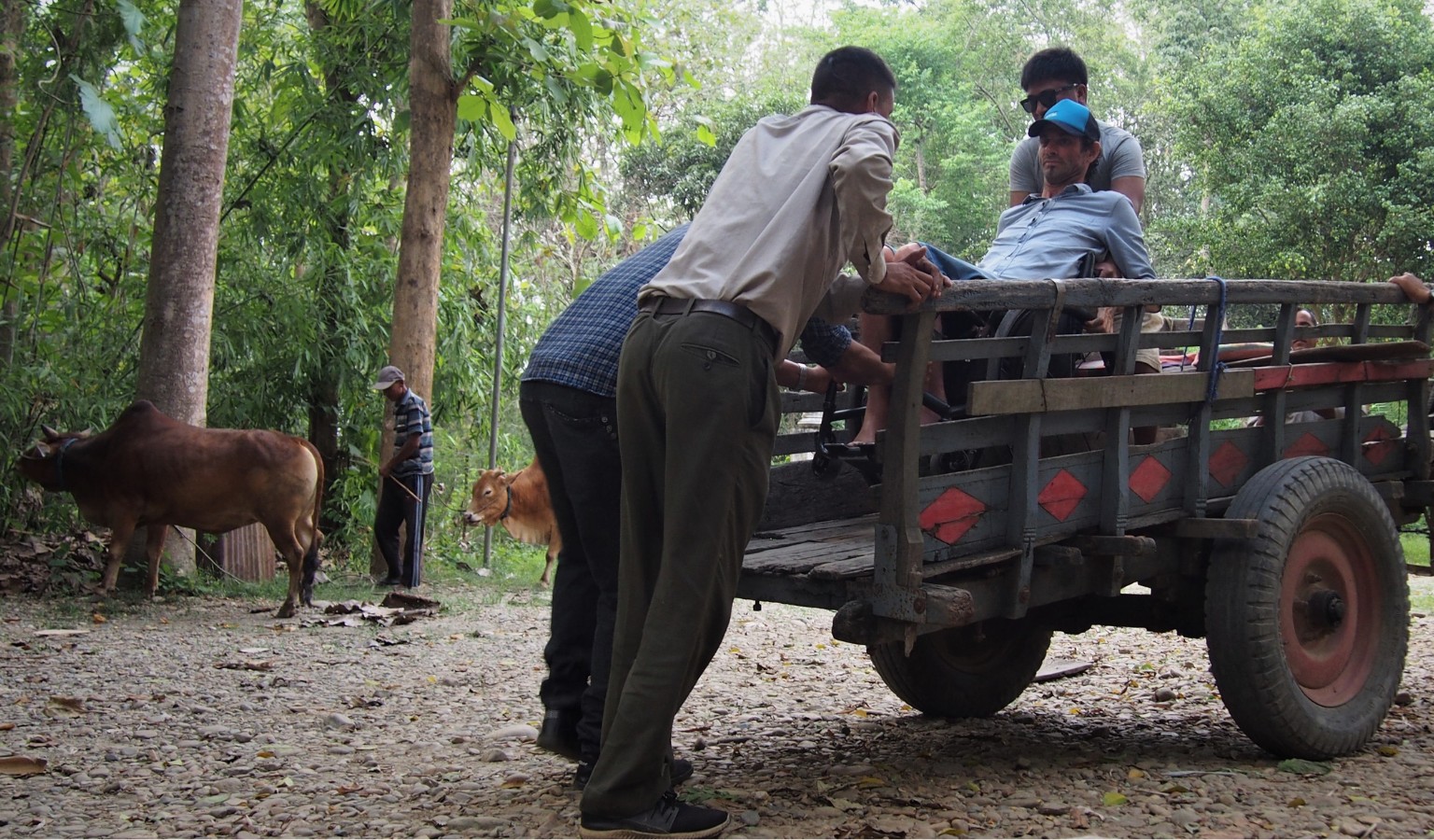
Jezza Williams lives at the top of New Zealand’s South Island, a short drive from Abel Tasman National Park. It’s fitting, really. The man has spent the better part of his life in wild places — on rivers, in canyons, dangling beneath paragliders — and has done most of it as a tetraplegic.
In 2010, Jezza appeared in Limitless, a short documentary that opens with a reenactment of the accident that started it all — a canyon in Switzerland, a jump he’d made countless times before. He was guiding a group of seven clients with his colleague Steve. A superman swan dive from the top abseil into the pool below. He slipped slightly on the takeoff, clipped the back of his helmet on a protruding rock, and hit the water face down.
“I’m still aware, and I’m face down. My hands are crossing over my face, but I can’t feel my hands. I can’t feel anything.”
Steve jumped down to stop him going over a second waterfall ten metres away. When he rolled Jezza over, it was immediately clear something was catastrophically wrong. Jezza looked up at him and said: “I f***ed up. I have changed my life.”
He knew, right then and there.
I caught up with Jezza over video call recently to talk about that moment, what it takes to make adventure truly accessible, and the new programme he’s launched to change how New Zealand tourism thinks about disabled travellers.
I asked Jezza whether those first seconds of acceptance, where he looked up at Steve and knew something terrible had happened, had helped create a foundation for everything that followed, or whether the real psychological work happened much later.
“It comes from the person you are to start with,” he said. “In the adventure industry, you’re always in the moment — always in that zone. You deal with what’s around you and you make do with what you have. A lot of lateral thinking. A lot of focusing on what can be possible.”
What strikes me about that answer is how straightforwardly he frames it. There’s no performance of stoicism. No dramatic revelation. It’s just how he’s always operated. In adventure work, everything is a moving target — conditions change, plans shift — and if you’re spending energy worrying about the future or replaying the past, you’re already behind.
“Worrying about what’s going to happen in the future, or imagining something that’s not reality, is just a waste of energy and time, really, isn’t it?”
Usually when people say that kind of thing it’s little more than lip service, but when you hear it from the mouth of someone who’s lived through a traumatic event, it hits differently.
Before the accident, Jezza was already a professional guide. He’d spent years taking people into demanding environments such as gnarly rivers, deep canyons, and big open skies. He had built a philosophy around it: “you learn your skills with your mates, taking risks. You don’t learn them with clients.”
“By the time a client is sitting in the back of your tandem kayak with their heart racing, you need to already know what you’re doing,” he told me. “If you’re scared and you get out with a client, you shouldn’t be there.”
After his injury, the question became: why should any of this be off-limits to other people?
“I could go rafting, I had the contacts. I could go paragliding. The reality is, if I can do it, it’s a bit foolish that other people can’t. It’s just a process of bringing people into my environment — which is what I’ve been doing my entire life.”
That logic led to Making Trax Foundation, the organisation Jezza founded to open up adventure tourism to disabled travellers across New Zealand. Making Trax doesn’t actually run tours itself, but instead works with adventure operators, training them and developing safety frameworks so that when a disabled traveller rocks up, the business is already prepared. The traveller just needs to show up, like anyone else would.
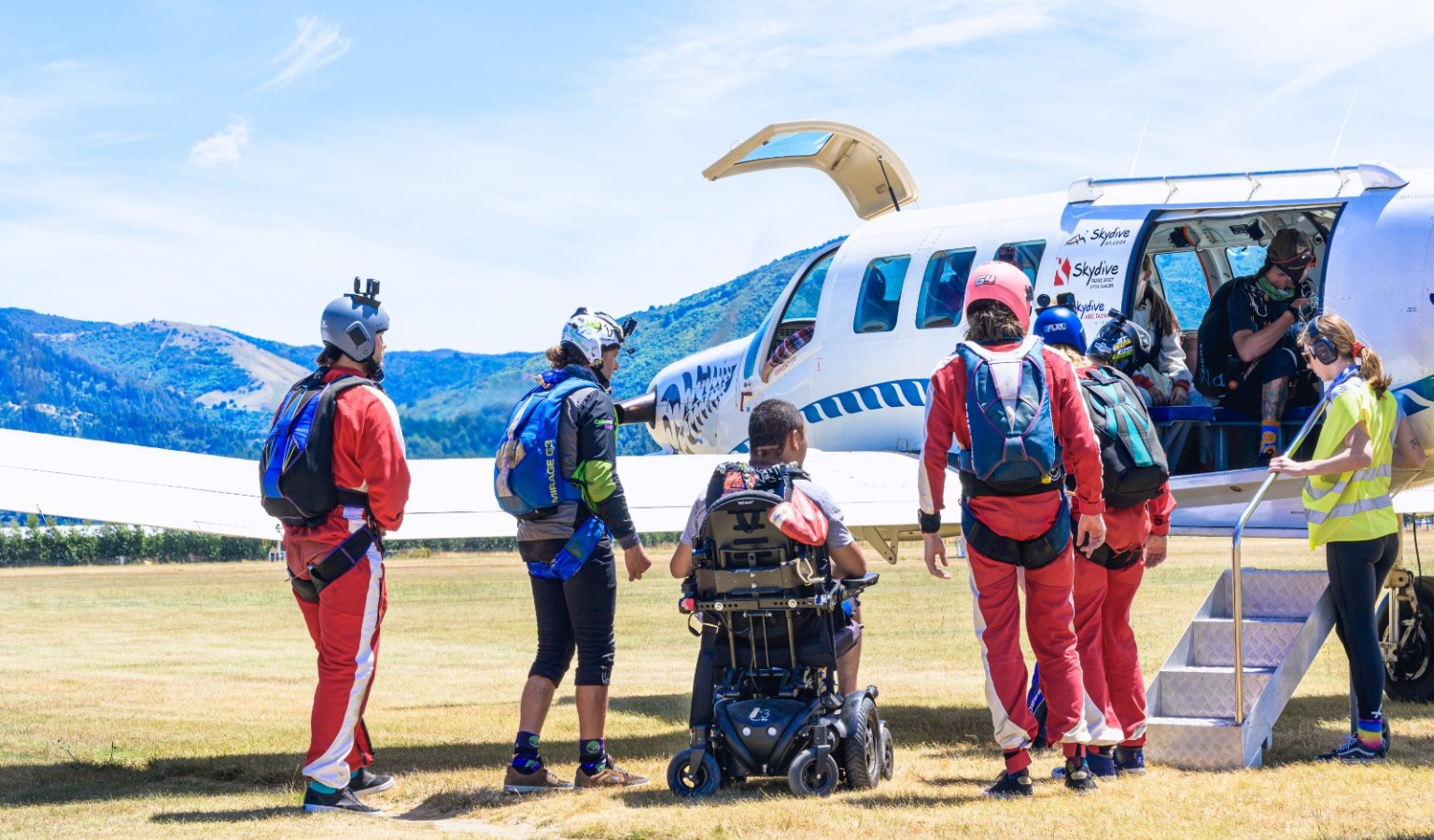
And Jezza leads from the front. He’s the first tetraplegic in the world to paraglide solo.
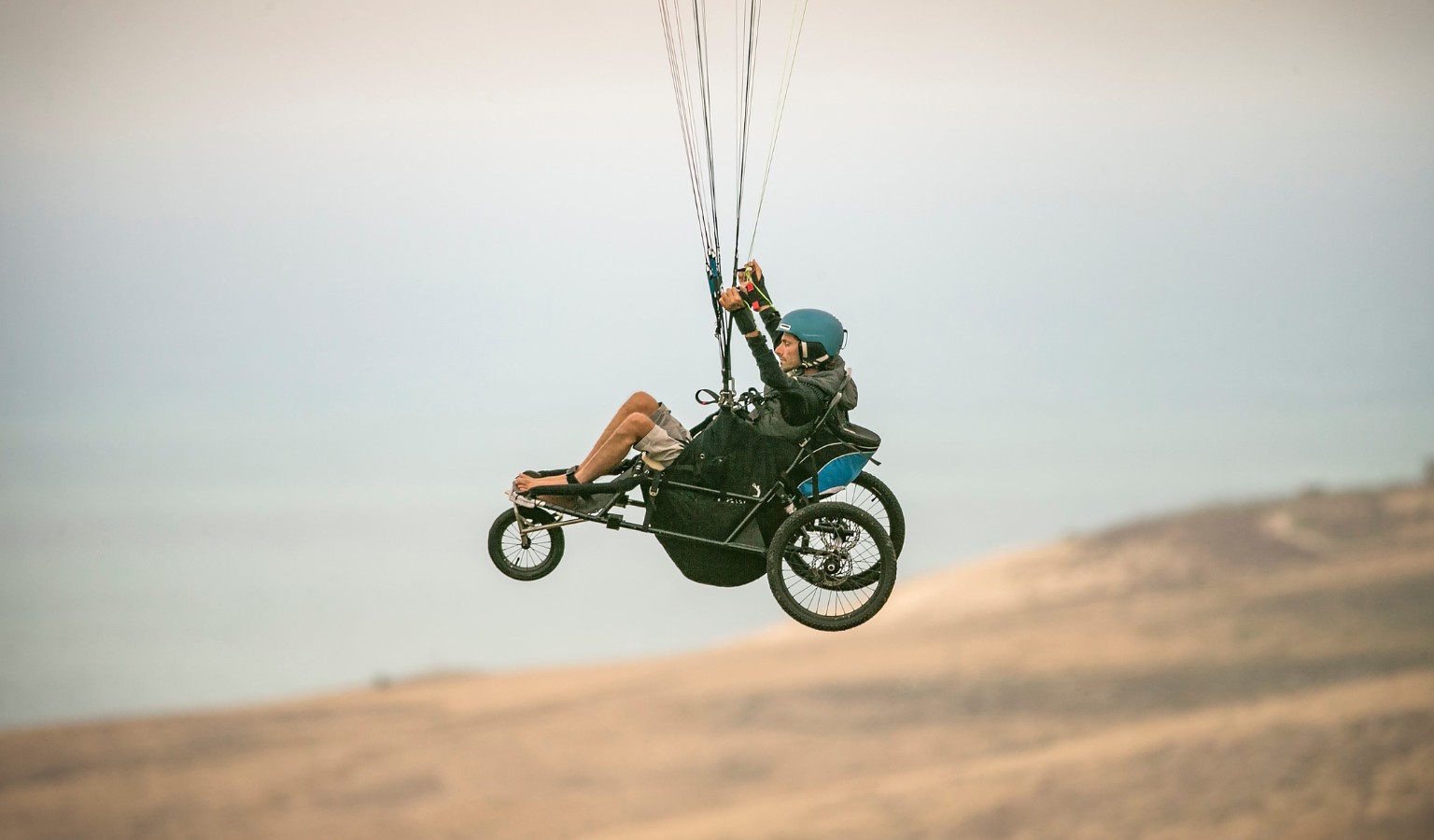
I asked where the real resistance comes from after more than a decade of this work. Liability? Economics? Fear?
“Attitudinal barriers are probably the largest,” he said. “People still look at a person and go, ‘oh, this person’s disabled’ — and then they’re concentrating on the diagnosis rather than the individual.”
But there’s a second barrier he named that I thought was equally as interesting: the confidence gap. Operators who want to be inclusive but don’t feel equipped to take that step. Those who find it easier to say nothing and do nothing than to try and risk getting it wrong.
“It’s way easier to remain silent or not interact at all.”
And then there’s a third type; the ones who’ve been doing things a certain way for years and don’t want to hear otherwise. Jezza’s philosophical about all three. You come across what you come across, and you keep working around it.
He said what gives him optimism is that the conversation has genuinely shifted in the last four or five years, partly driven by economics. The access market, which includes the baby boomer generation, a group that often doesn’t identify as disabled but increasingly needs support, is large and growing and, putting it bluntly, has money to spend.
“It’s about the way you ‘talk the talk’,” he said. “And how you communicate what you do to businesses.”
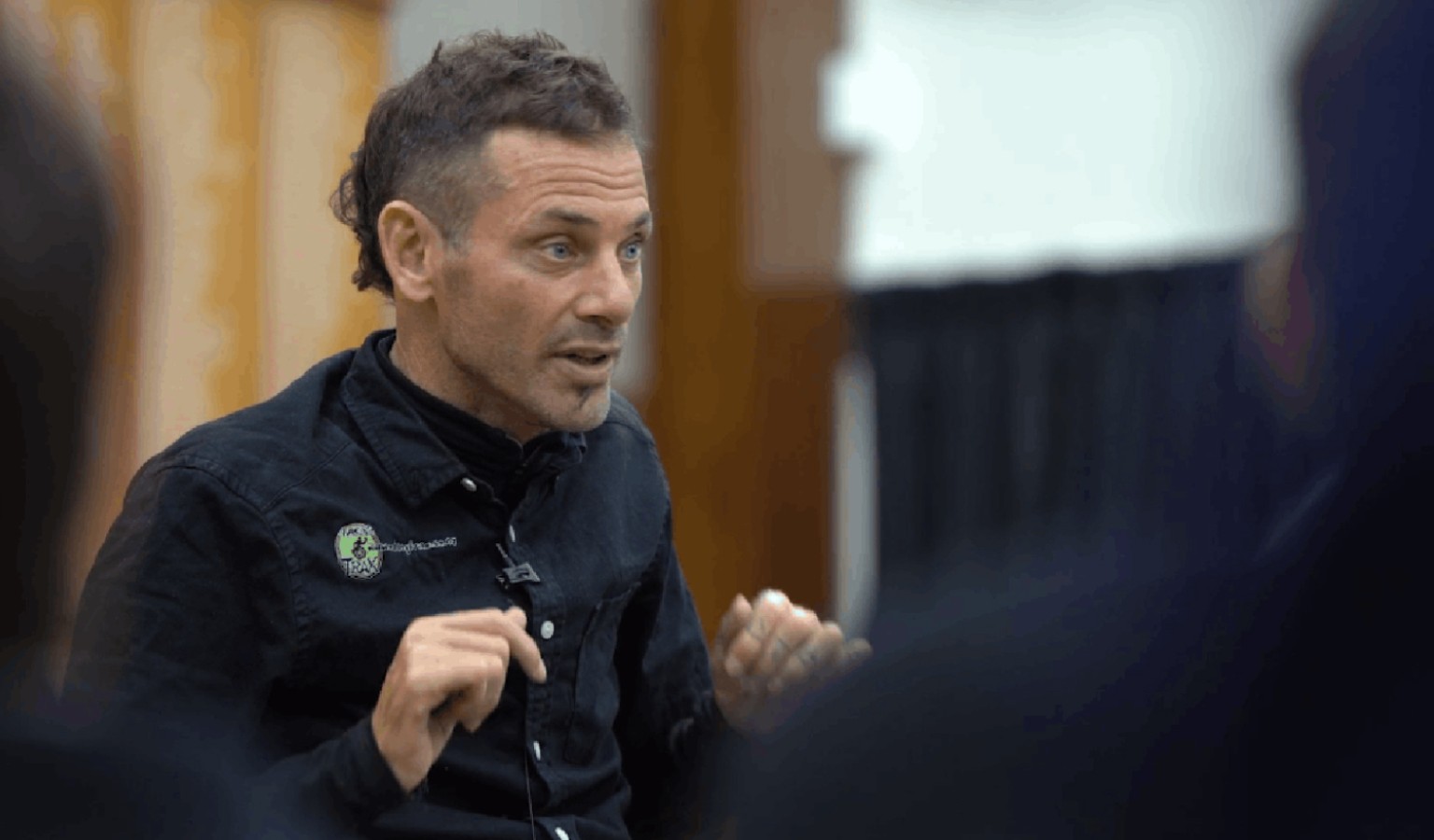
The adventure industry’s default response to disability is often to shut the door before anyone asks. Jezza’s approach is somewhat different: he works within existing safety frameworks, rather than trying to find ways around them.
In New Zealand, operators are governed by WorkSafe and a Safety Operational Plan; a document that defines what a quality, safe experience looks like for that specific business. Jezza argues that if you understand your Safety Operational Plan, you can almost always find room for disabled participants within its boundaries.
“Not all people can go rafting. A pregnant woman can’t go rafting. A person who can’t wear the equipment can’t go rafting. There are so many considerations already built in.”
What he’s really doing is helping operators see that disabled travellers aren’t a special category requiring a complete rethink, but rather they’re part of the same broad spectrum of customers already walking (or rolling) through the door.
He gave me an example from a recent session with a jet boat operator. They needed to update their emergency procedures to account for passengers who couldn’t self-evacuate in the water — what to do if someone can’t sit on rocks, how hypothermia might affect someone who doesn’t regulate temperature the same way; that sort of thing.
“It’s very practical stuff,” he said. “Keeping it simple, so it doesn’t fall outside the Safety Operational Plan. If it’s falling outside that plan, then they shouldn’t be doing that activity. Rules and regulations apply for a reason.”
Practical and specific, but also completely solvable. The kind of thing that, once you think about it, you wonder why nobody thought about it before.
I went off script at this point and asked him a fairly direct question: if someone with quadriplegia or cerebral palsy — an average, fairly unfit person in their 50s — came to New Zealand wanting to try everything, what could they realistically do?
He didn’t flinch. “Jet boating, skydiving, glacier trips, adaptive bikes, cycleways, zip lines, sailing, helicopter trips. Hundreds of things.”
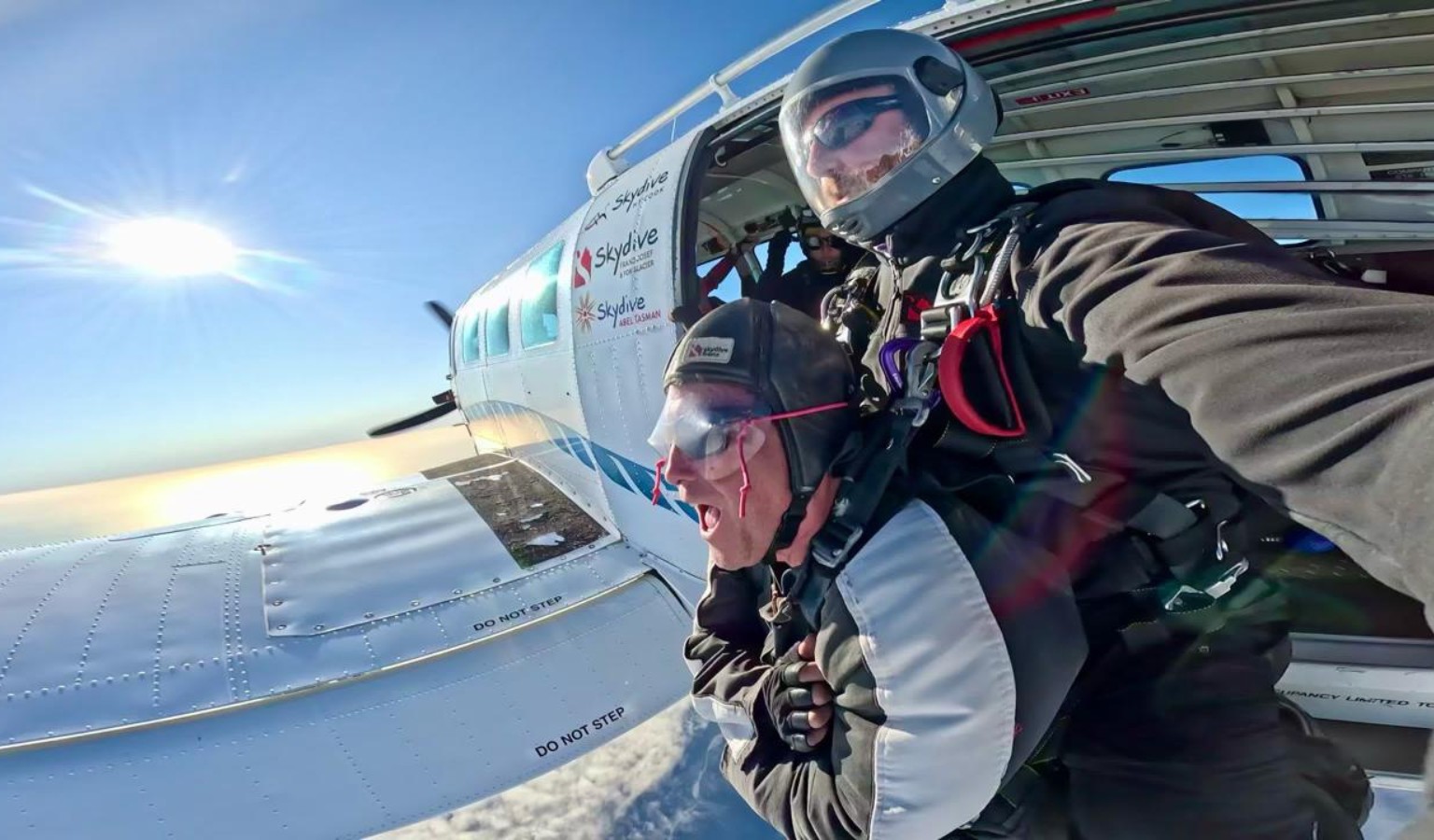
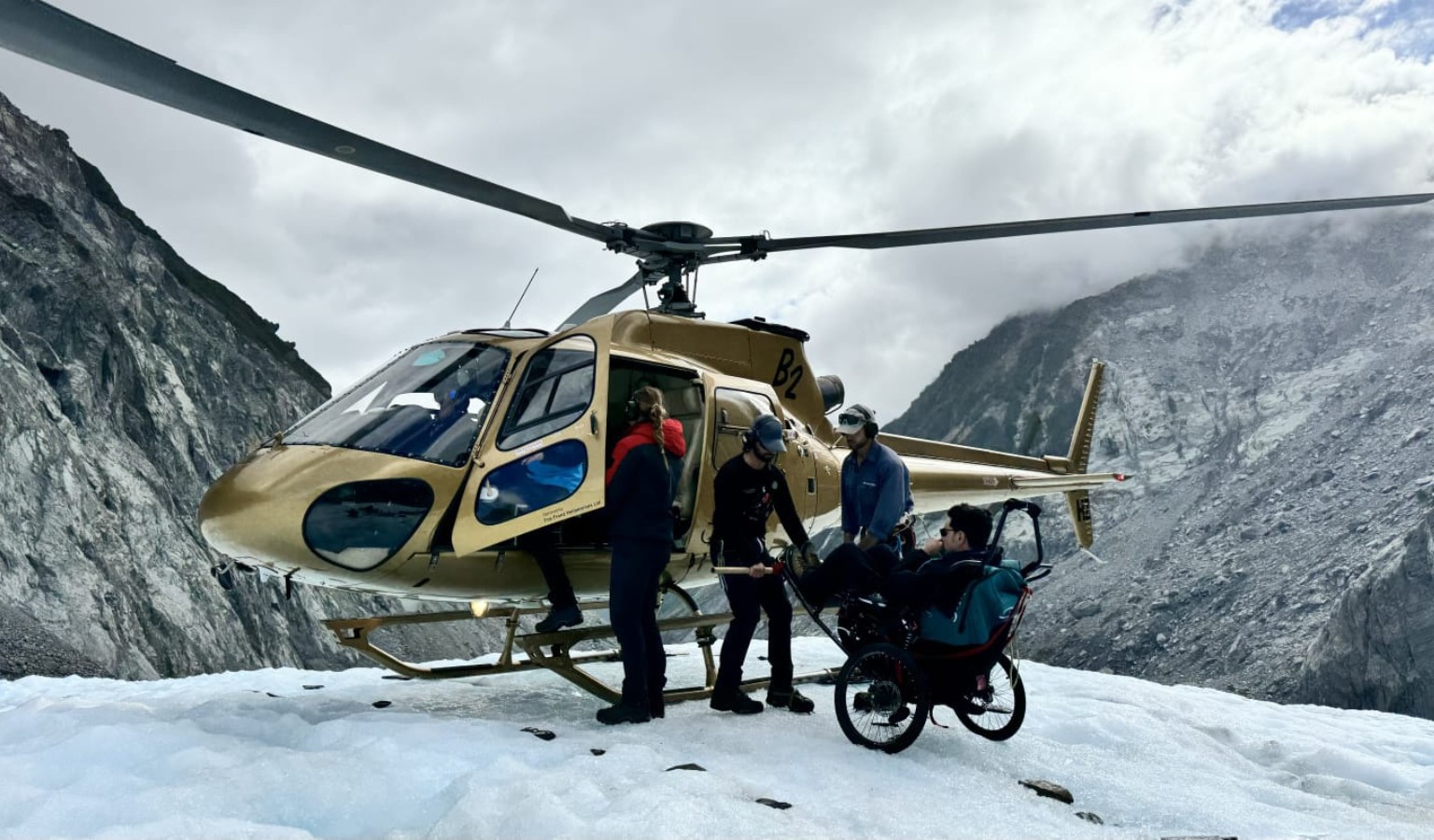
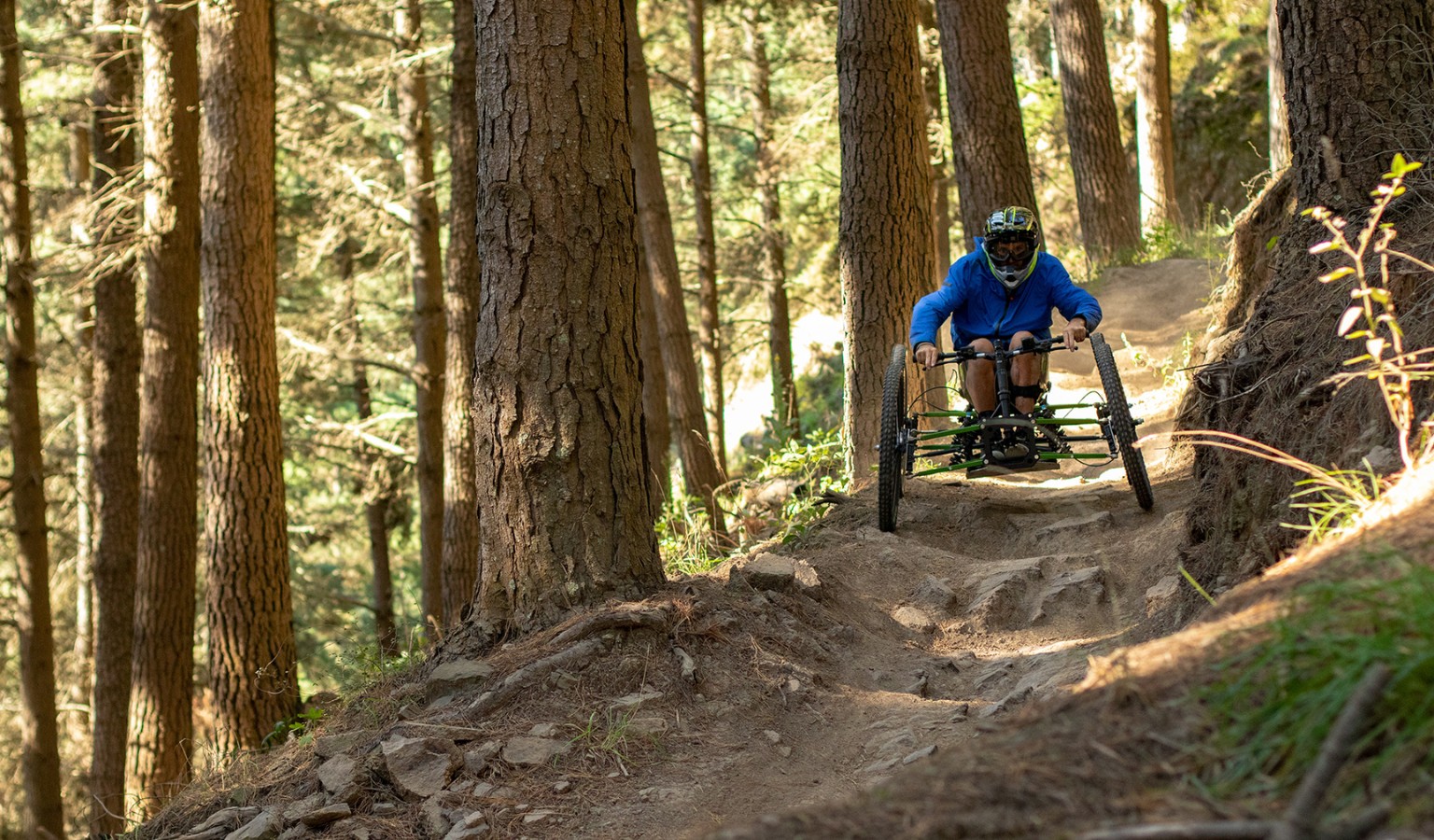
His first step with any traveller is simply to ask: what would your perfect weekend look like? From there, he works backwards — transfer capabilities, weight limits, whatever the functional considerations are — and matches the person to the experiences that suit them.
But he also made a point I appreciated. If someone is independent enough to have flown to New Zealand with a support crew, sorted their hotel, and got themselves to the activity provider — they’re already pretty capable.
“You’ve got on a plane, you’ve come across the world. You can do a transfer. You’re pretty damn able already.”
And for those people, the businesses Making Trax works with are trained and ready. They just need to show up.
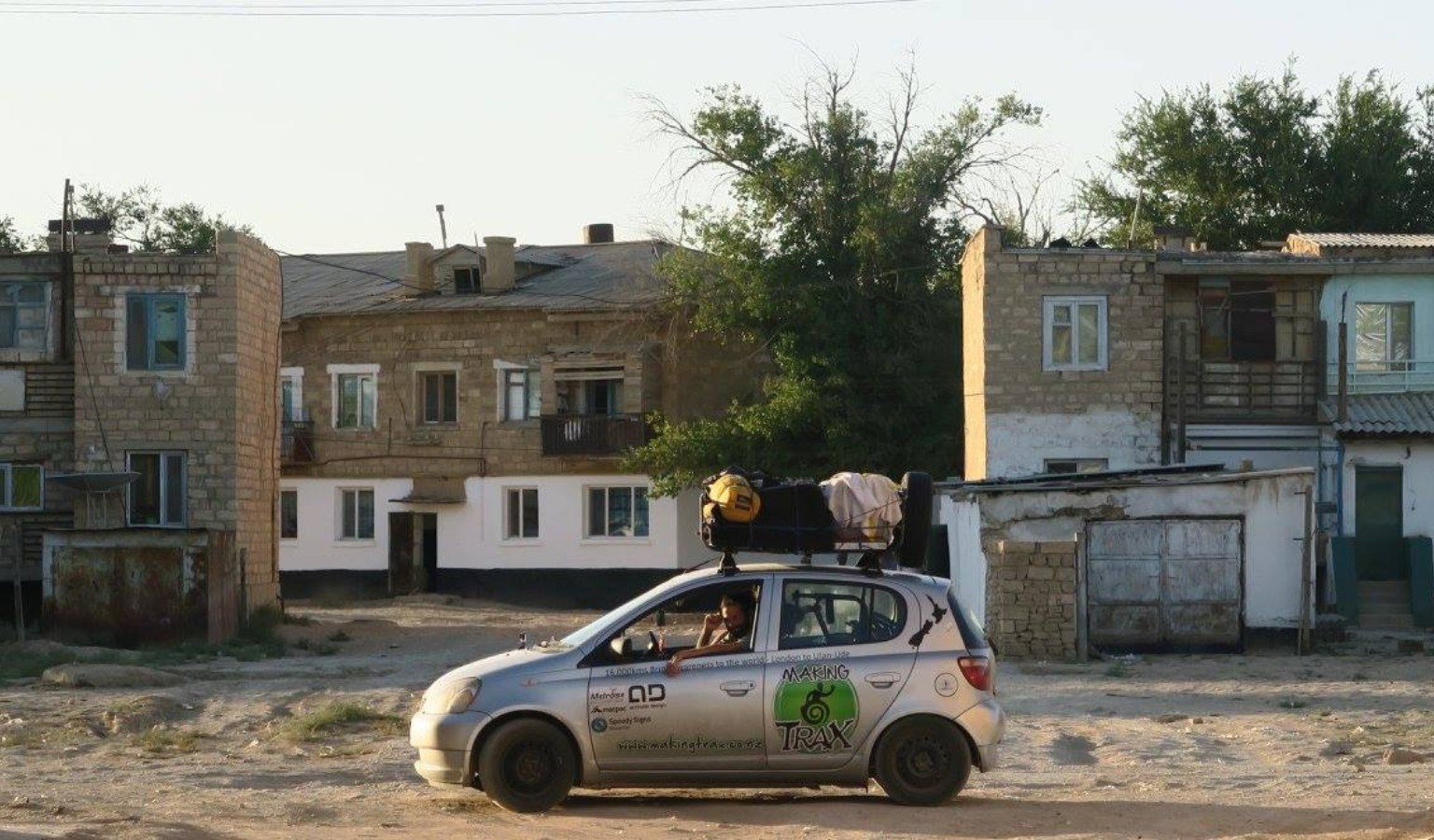
Jezza also became the first tetraplegic to complete the Mongol Rally — the notoriously chaotic overland drive from London to Mongolia. It’s a journey that chews up able-bodied adventurers regularly, and he did it in a car bought in Wales, with a team of river guides who shared his “we’ll figure it out as we go” approach to life.
The practical preparation was more involved than most people would imagine. Catheters and medication supplies, equipment for extreme cold (Jezza’s body doesn’t regulate temperature) and a specialist wheelchair custom-built to allow him to use the bathroom anywhere.
“Between the cars, in the middle of a paddock, at one stage even at a bus stop,” he said, laughing.
I told him it beat my own story of squatting beside a bus in Vietnam on my hands and knees with an audience. We agreed neither of us came out of our respective experiences with much dignity. Adversity builds character, right? Or at the very least, good stories.
The systemic gap Jezza keeps coming back to is education. Not awareness campaigns or vague good intentions; actual, practical knowledge for businesses about what disabled customers need and how to provide it.
His answer to that is Adapting Aotearoa (adaptingaotearoa.co.nz), a programme he’s launched to bring that information directly to operators. At its core is an access guide — but not the kind you’re probably picturing. It’s not a list of ramps and grab rails. It’s more of a resource that tells a potential customer exactly what the booking process is, what the experience involves, and what the functional requirements are; and then lets that person decide for themselves whether it works for them.
“It’s not an all-or-nothing approach,” he said. “It’s about letting me decide whether I can manage a step, or whether I’ve got the right ability to go kayaking, or whether I’m within your safety parameters to do a skydive. Provide the information. Let people choose.”
Alongside the access guide sits a full suite of training modules for businesses, covering everything from basic disability awareness through to welcoming guests and assisting clients on the day. The platform is built. The training is built. Now it’s about getting enough businesses on board to make it genuinely useful as a directory for travellers.
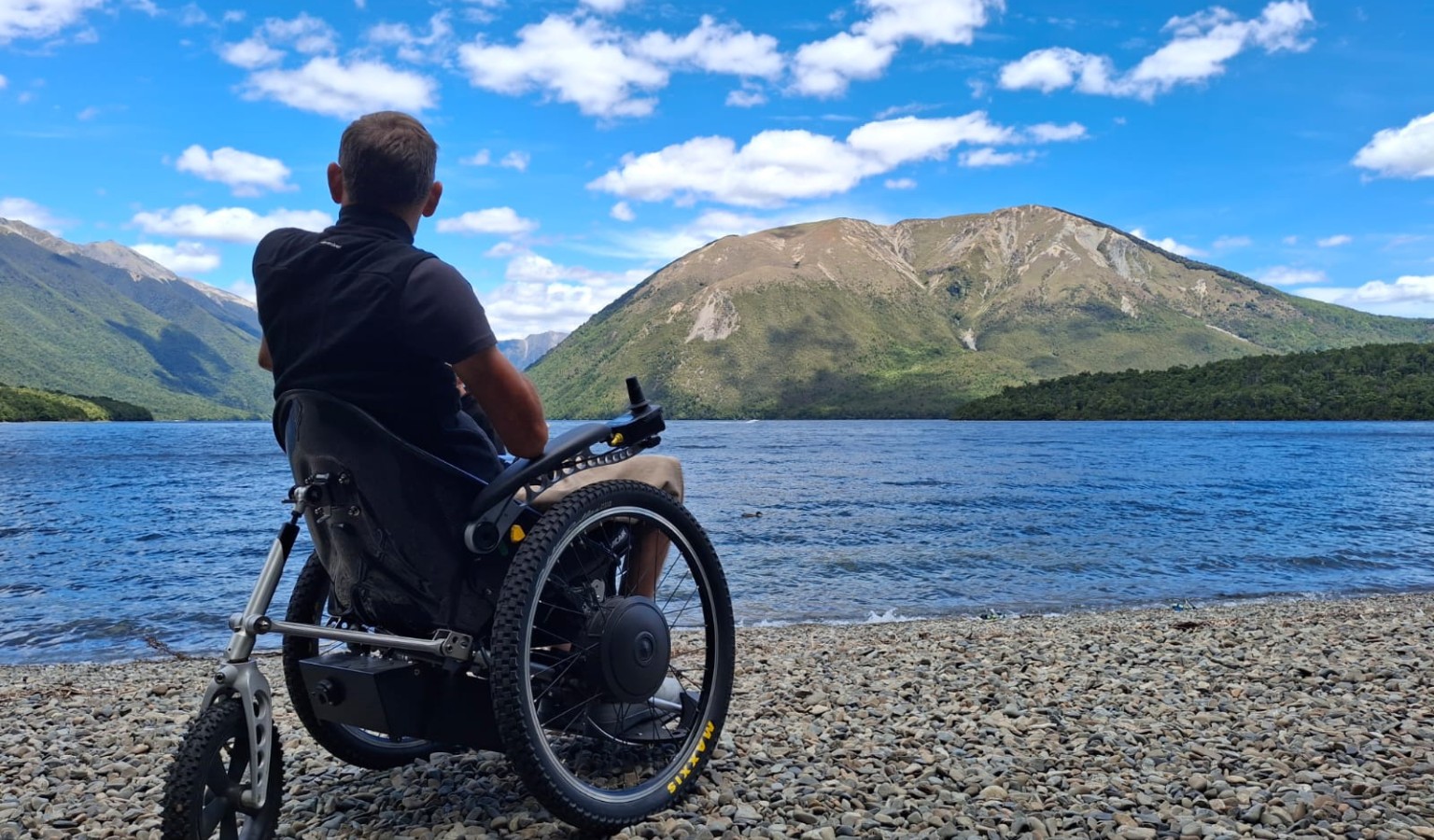
I wanted to end on a reflective note. Jezza has spoken publicly about strength being the acceptance of things as they are, not as you’d want them to be. It’s a definition that sits awkwardly with how the outdoor industry usually talks about itself: conquest, summits, personal bests. I asked whether that culture was actually bad at producing real resilience.
“I’m one of those people that believes you’re born with resilience,” he said. “You don’t know you’ve got it until you put it into that environment, and then you’re like — oh my god, I am quite resilient. You can bring more of it out. But you need to be put in that situation first.”
He doesn’t think the summit is the point. The point is what happens on the way up — who you’re with, what you experience, whether you have the wisdom to turn around when the weather comes in and feel genuinely glad you did.
“When you’re an old bugger sitting back in life, if you climbed a peak and lost a mate on the journey, you’re going to feel pretty terrible. But if you’re there thinking, ‘that was an insanely awesome experience in the storm, I’m so glad we came back’ — that’s it. It’s about sharing that moment. That connection.”
I told him about our daughter, who is autistic, and who recently competed in her first judo tournament. She came third out of three. She was absolutely thrilled. He didn’t miss a beat.
“The more you face, the more resilience you have. Every person with a disability — if you could bottle that, nobody would be unemployed. Finding a challenge grows you, it doesn’t hinder you. But it’s the way you look at a challenge, I suppose.”
Then he said something I’ve been thinking about since: “A tree with no roots falls in the first storm.”
He’s been in a few storms. The roots are deep.
Making Trax Foundation works with adventure tourism operators across New Zealand to make experiences accessible to disabled travellers. Adapting Aotearoa’s business training and access guide programme is at adaptingaotearoa.co.nz.