
Let me start with a confession. For as long as The World is Accessible has existed, I’ve avoided writing a Tokyo guide. Not because Tokyo isn’t worth writing about; it absolutely is. But because the definitive resource on accessible travel in Japan already exists, and it’s run by a close friend of mine.
That resource is Accessible Japan, founded by Josh Grisdale. If you’ve spent any time researching accessible travel to Japan, you’ve almost certainly landed on his site. And if you haven’t, you’re about to understand why it’s the gold standard. Josh has lived in Japan for years as a power wheelchair user, and he’s spent more than a decade documenting the country’s accessibility with a level of detail that most tourism boards can only dream of. Individual reviews of temples, shrines, museums, and markets. Hotel listings sorted by budget, with the room types spelled out. Step-by-step train guides. Airport breakdowns. He’s even published a Tokyo guidebook and built tabifolk, a global accessible travel community that TWIA proudly partners with.
So rather than reinvent a wheel that Josh has already perfected, we’re doing something a little different. With his blessing, this guide is built entirely on information from accessible-japan.com. Think of it as your starting point: a curated overview of the best of accessible Tokyo, with links to Josh’s full reviews everywhere you look. When you want the fine detail (and with accessibility, you always want the fine detail), click through. You’ll be in the best hands in the business.
Right, let’s get into it.
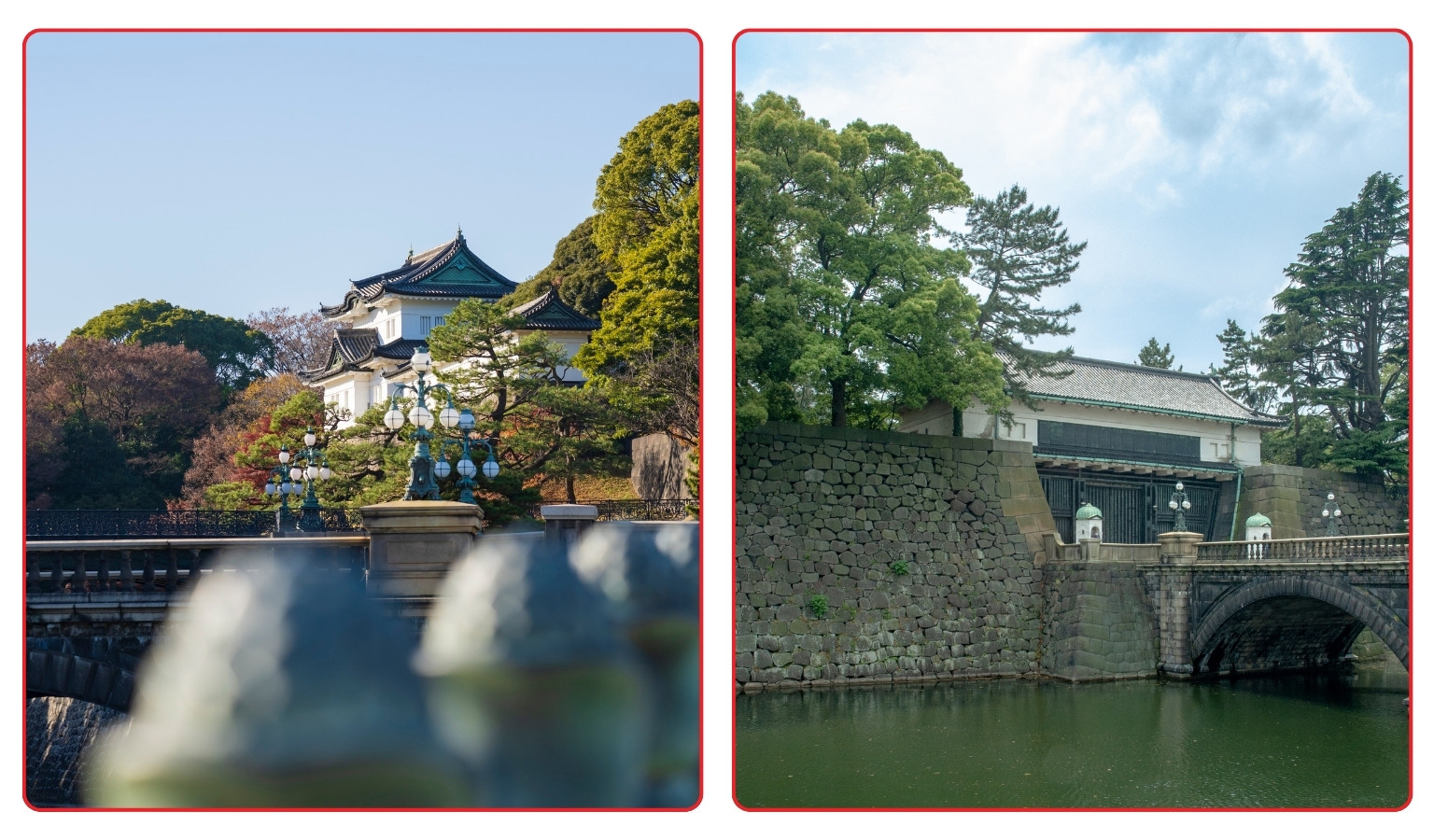
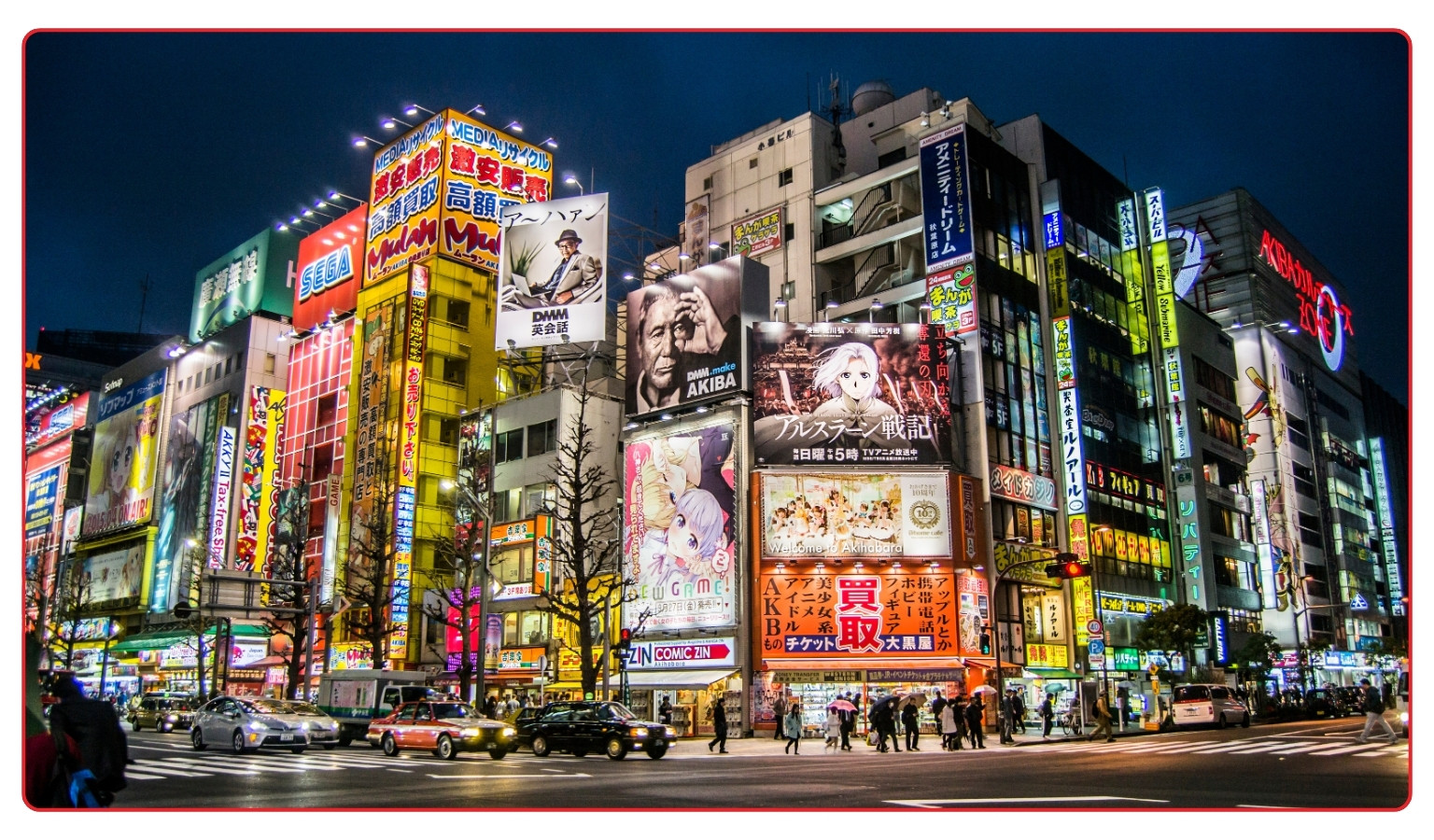
Accessible Japan describes Tokyo as the heart of modern Japan, a city where you can roll from a traditional temple to a bustling city center in minutes. Their full list of reviewed Tokyo attractions covers over fifty spots. Here are ten of our favorites.
Tokyo’s oldest temple and probably its most famous, with the iconic Kaminarimon gate and the lively Nakamise shopping street leading up to it. When I visited Tokyo myself, I found an accessible observation area at the nearby tourist office that gives you a fantastic view over the whole approach.
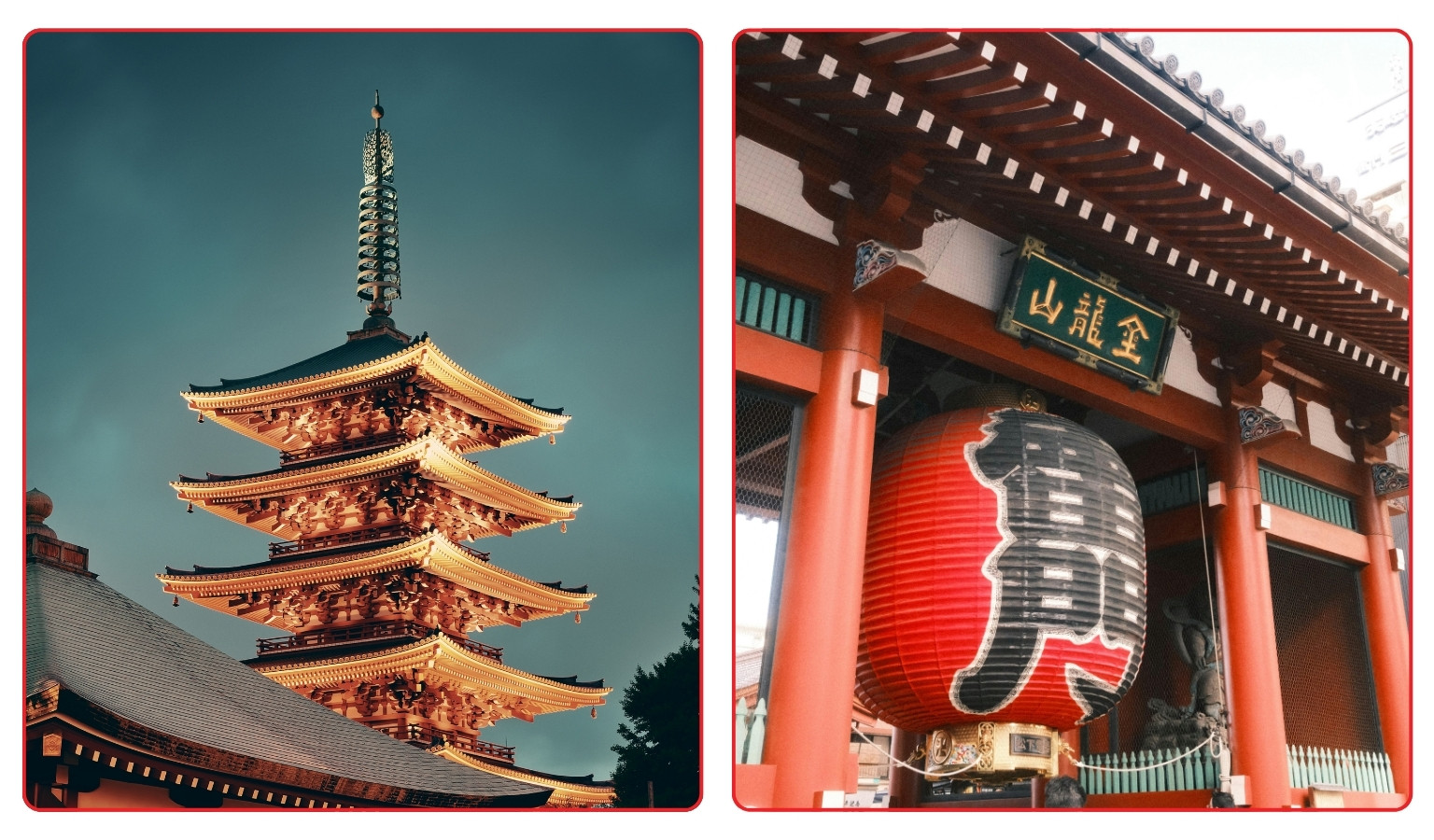
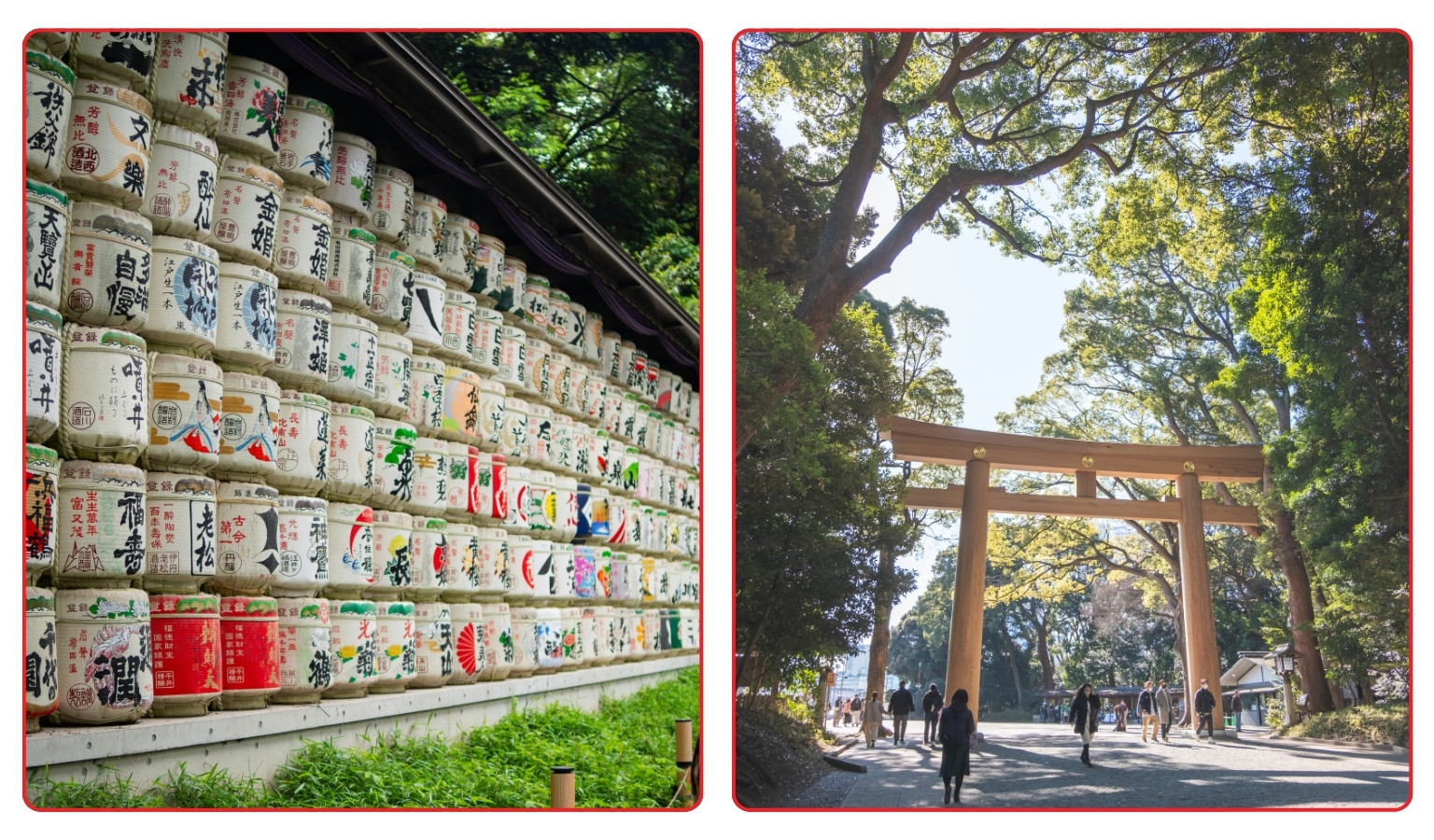
A forested shrine in the middle of one of the busiest cities on Earth, and it genuinely feels like stepping into another world. The wide, flat pathways make it one of the most comfortable shrine visits you’ll have anywhere in Japan.

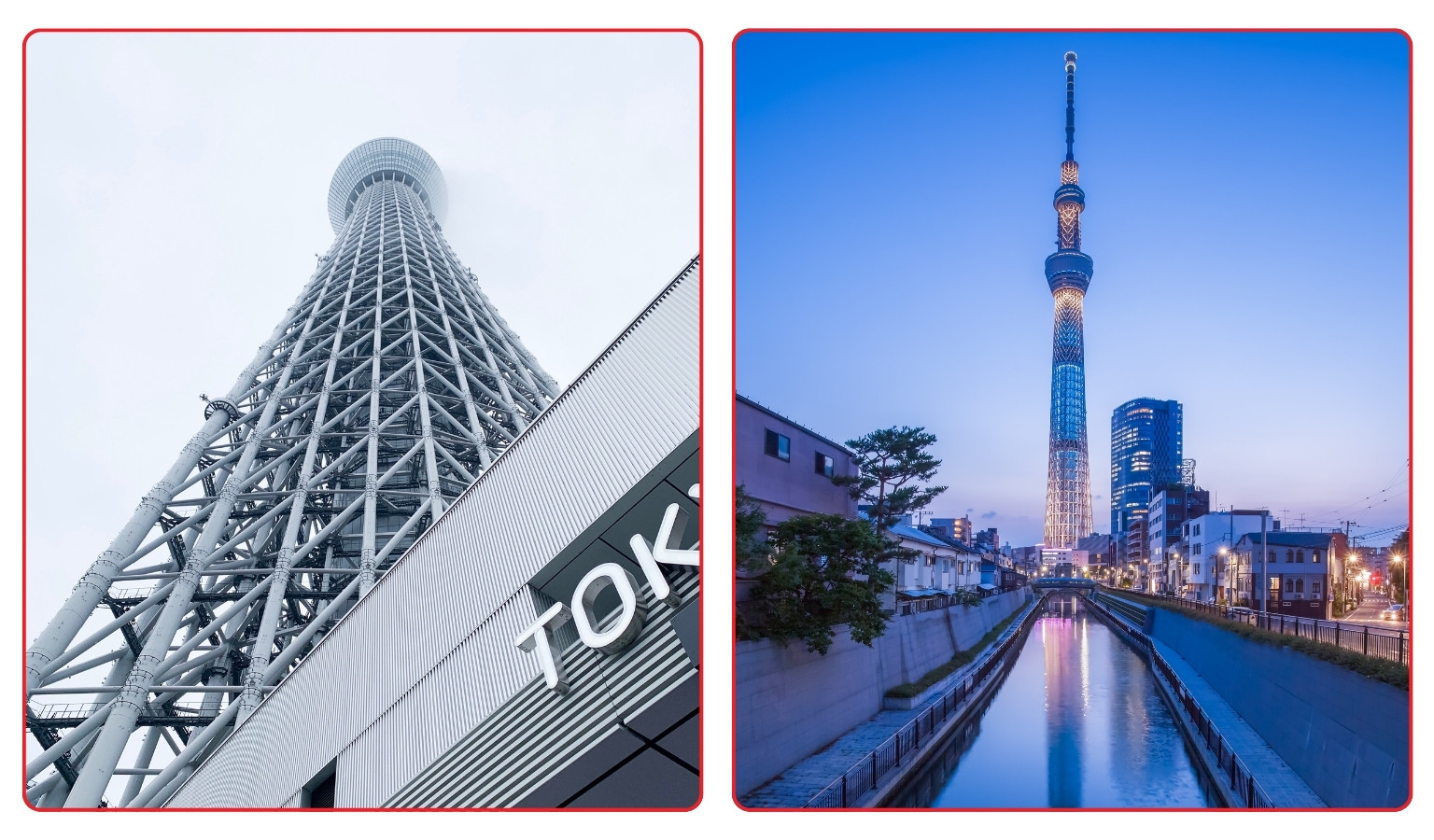
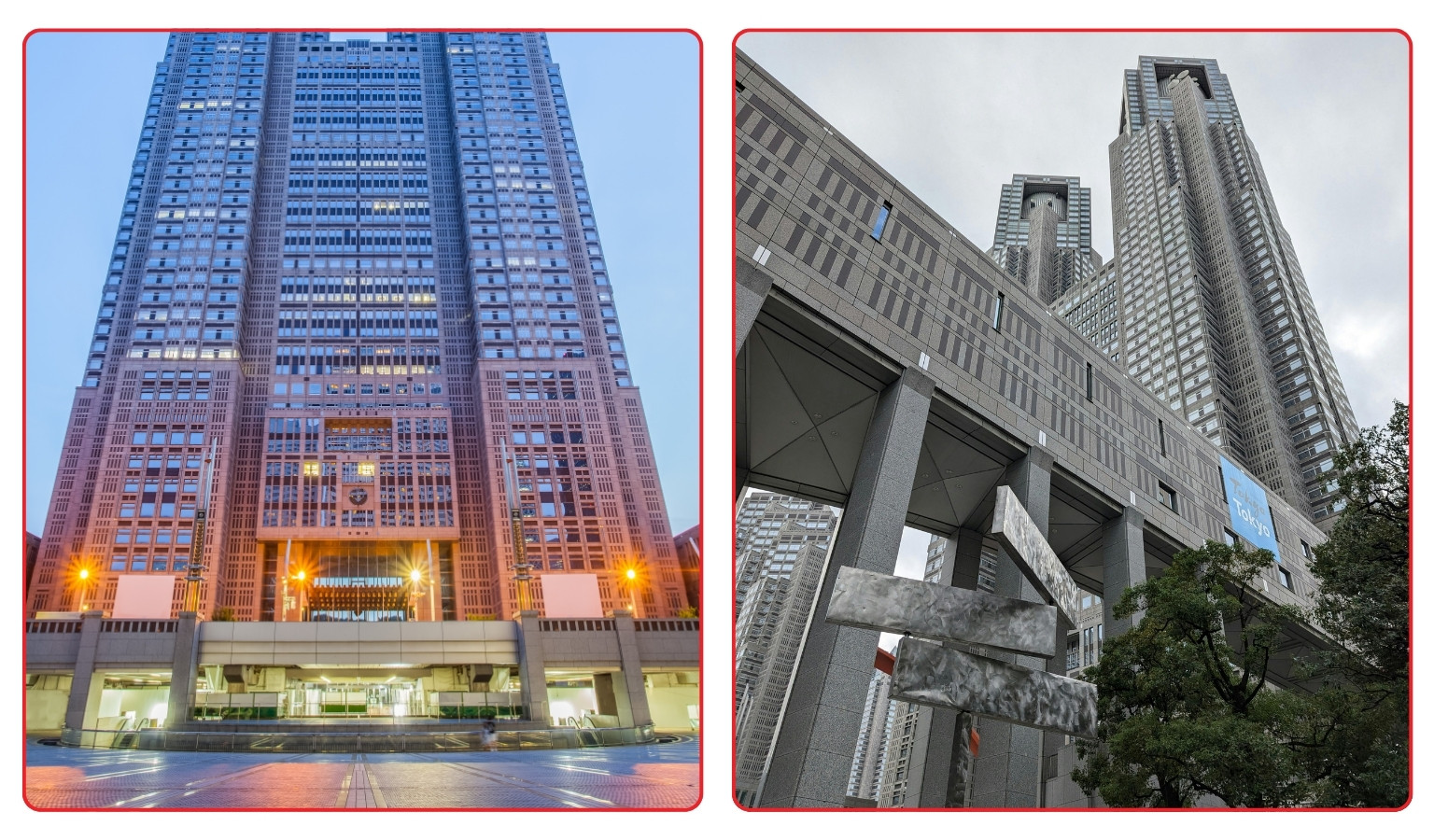
The tallest structure in Japan, with observation decks that put the entire city at your feet. There’s a large shopping and dining complex at the base too, so you can easily make a full day of it.
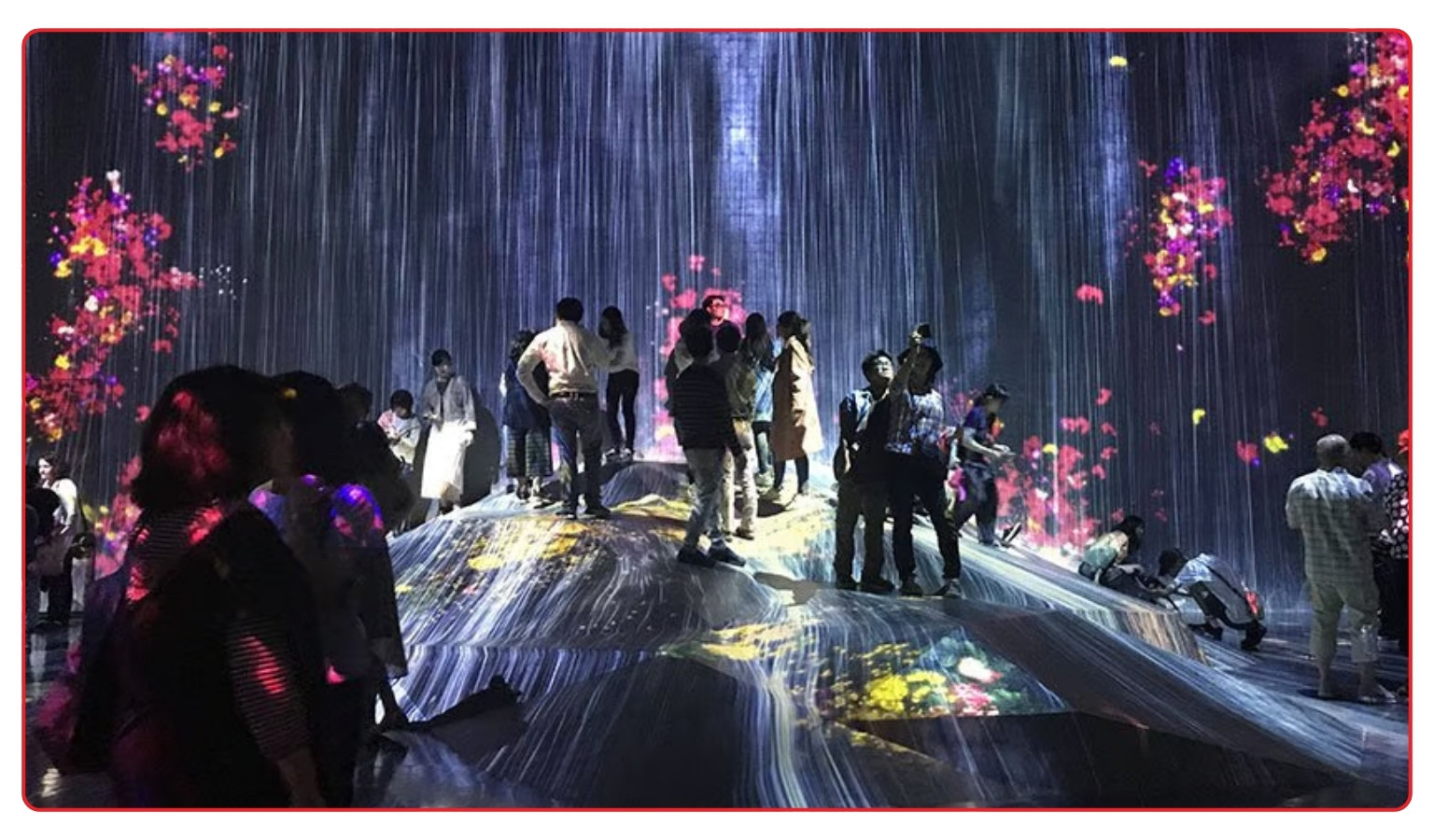
The immersive digital art museum that took over everyone’s social feeds, and honestly, it deserves the hype. Rooms of light, color, and interactive art that respond as you move through them.

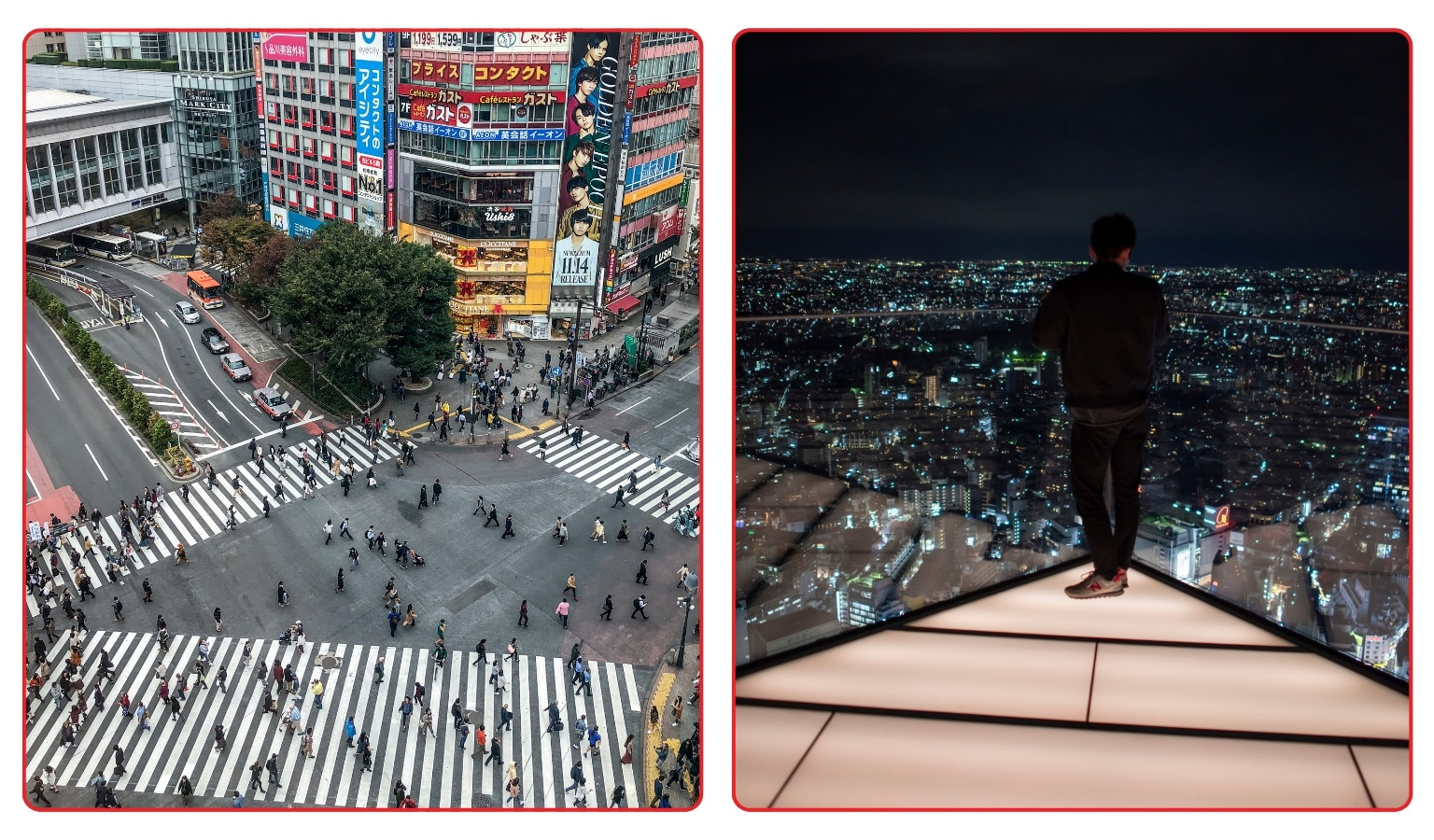
An open-air observation deck above the world’s busiest pedestrian crossing. Watching the organized chaos of Shibuya Crossing from above is a uniquely Tokyo experience.
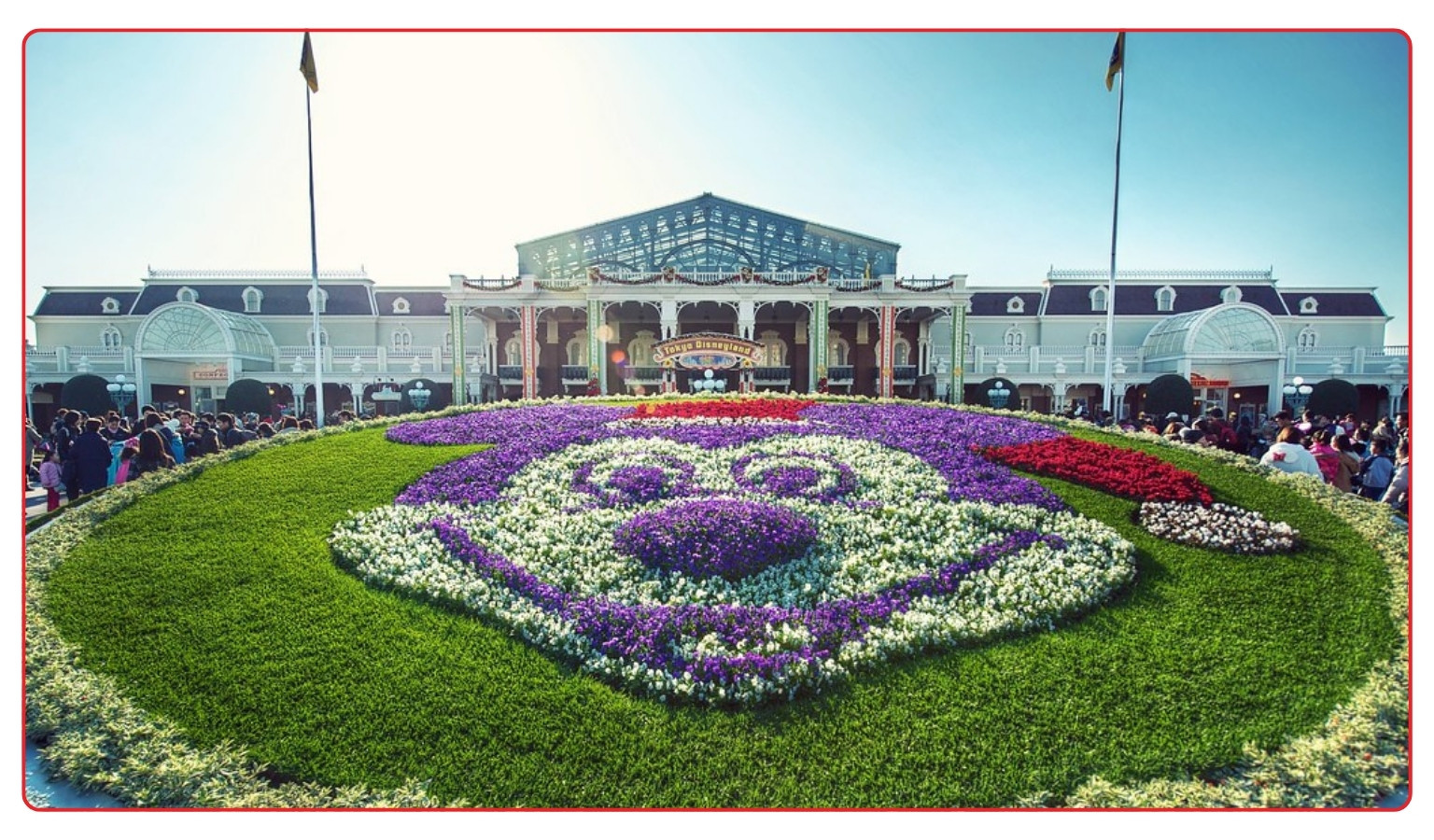
A full day out and one of the most visited attractions in the Tokyo area, sitting just over the border in Urayasu. Worth planning properly rather than winging it, and Accessible Japan’s review is the place to start.
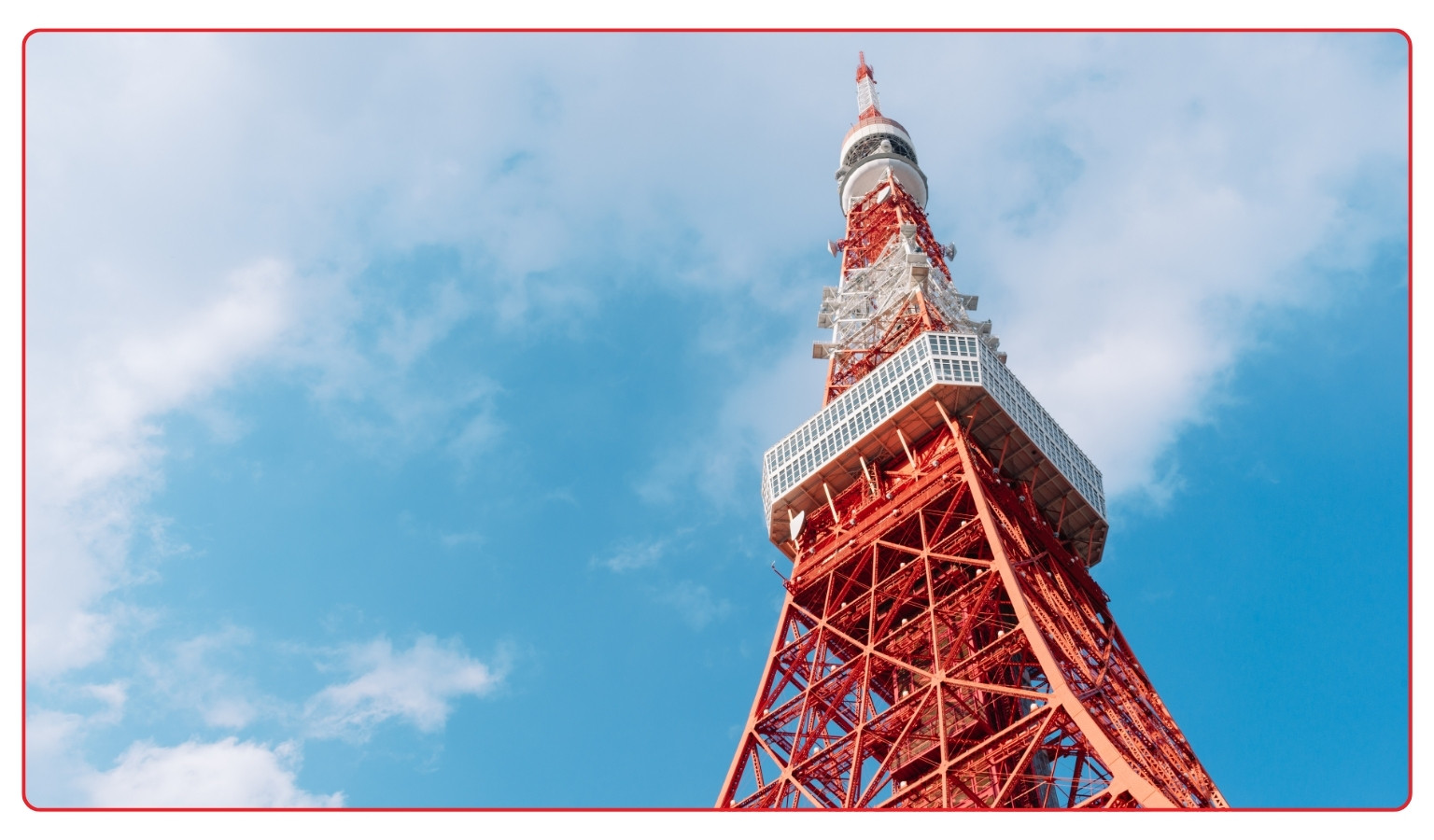
The city’s original landmark, and still one of its best loved. The observation decks are reached by elevator, and the views on a clear day are genuinely worth the trip.
Narrowing this down to ten was painful. If you have longer in the city, also take a look at Accessible Japan’s reviews of Ueno Park, the Ameyoko market street, Shinjuku Gyoen, the Ghibli Museum, and Odaiba.
Here’s the honest truth, straight from Accessible Japan: finding an accessible hotel room in Tokyo is often harder than finding an accessible attraction. Details about accessible rooms frequently live only on the Japanese version of a hotel’s website, information is scarce, and booking often means contacting the hotel directly. That’s exactly why Josh’s Tokyo hotel listings are so valuable; they document accessible rooms across high, mid, and budget ranges so you can make an informed decision based on your own needs.
Here are six solid options from their listings, across all three price brackets. Click on the hotel name, in bold, to be taken to Accessible Japan’s respective page for that hotel.
Imperial Hotel Tokyo (High range, Chiyoda). One of Tokyo’s grand old hotels, sitting near Hibiya Park and within easy reach of Ginza and the Imperial Palace. Accessible Japan lists an accessible twin room here.
Keio Plaza Hotel Tokyo (High range, Shinjuku). A Shinjuku landmark that puts you close to the train hub, the Tokyo Metropolitan Government Building, and Shinjuku Gyoen. Accessible twin rooms are listed on Accessible Japan.
Grand Nikko Tokyo Daiba (High range, Odaiba). Bayside views of the Rainbow Bridge and easy access to the Odaiba entertainment district. Accessible Japan lists an accessible twin here too.
Hilton Tokyo (Mid range, Shinjuku). A familiar international brand in a very convenient location, with an accessible twin room documented on Accessible Japan.
Mitsui Garden Hotel Ginza Premier (Mid range, Ginza). A stylish base in Tokyo’s most polished shopping district, with both accessible twin and double options listed.
Sotetsu Fresa Inn Nihombashi-Ningyocho (Budget range, Chuo). Proof that accessible Tokyo doesn’t have to break the bank. An accessible double room in a central, well-connected neighborhood.
One tip worth repeating from Josh’s site: accessible rooms in Japan vary considerably from hotel to hotel, so always read the full listing and confirm the specifics against your own needs before booking.
If Tokyo’s train map makes your jaw drop, you’re not alone; Accessible Japan opens its trains and subways guide with exactly that image. But here’s the encouraging part: nearly all train and subway stations in Japan are accessible, and in major cities that figure is over 90 percent. Japan doesn’t just have one of the world’s most efficient rail systems. It has one of the most accessible.
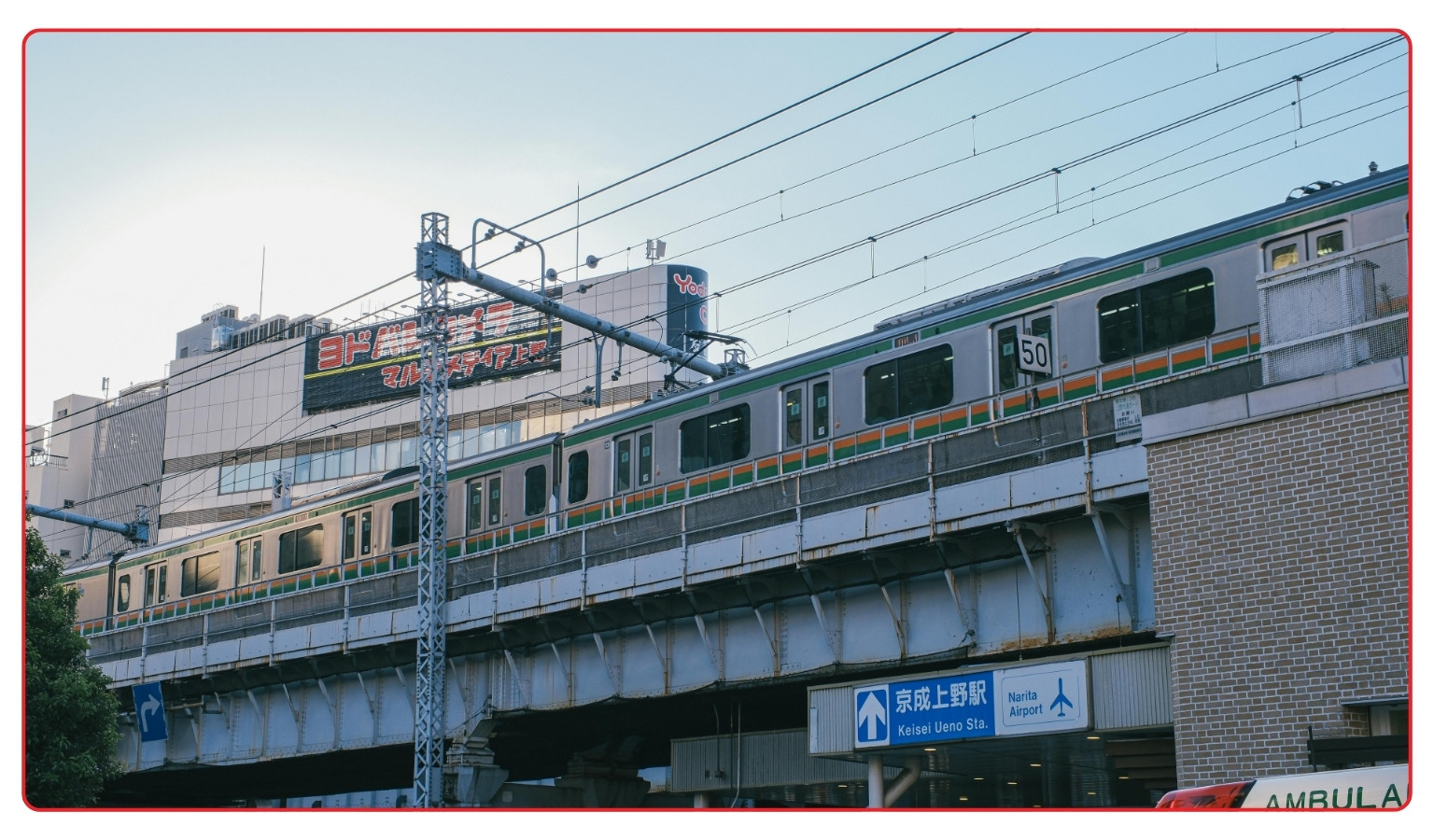
The process works like this. When you arrive at a station, find the station attendant booth and tell the staff where you’re going and that you need a “slope” (the portable ramp used to bridge the gap onto the train). The attendant arranges the ramp, then phones ahead to your destination or transfer station so someone is waiting for you with another ramp when you arrive. You genuinely cannot miss your stop. It’s a remarkable system, and it works.
A few practical notes from Accessible Japan’s guide:
Give yourself time. Boarding assistance adds roughly 10 to 15 minutes at your starting station, and 15 to 20 minutes per transfer. Build that into your plans, especially if you have a booking.
Sort your fare payment early. Most visitors use a rechargeable IC card like the Welcome Suica or Pasmo Passport, both available at Narita and Haneda airports. They require an initial charge of ¥1,500 and expire after 28 days, and any leftover balance isn’t refunded, so spend it down before you fly home (convenience stores and vending machines accept them). The Japan Rail Pass is another option for temporary visitors, purchased before your trip, though weigh the cost against how much you’ll actually use JR lines.
Know the limits. Disability discounts on fares aren’t available to foreign visitors, as they require a Japanese-issued disability ID. And if you use a mobility scooter, be aware that some station staff, mostly on JR lines, have been slow to recognize scooters as mobility devices. Accessible Japan’s mobility scooter page covers this in depth.
For everything beyond the trains, their transportation hub covers accessible taxis in Tokyo, buses, and the Shinkansen for when you’re ready to explore beyond the capital.
Tokyo has two major international airports, and Accessible Japan’s airport accessibility guide rates both very highly. Their verdict on each is essentially the same: easy to navigate, built around a universally accessible approach, and staffed by people who live up to that standard. Both offer accessible toilets, multiple elevators, guided assistance to and from your flight, courtesy wheelchairs, and writing boards. Neither has a hoist for on-board transfers, so plan your aisle chair transfer accordingly.
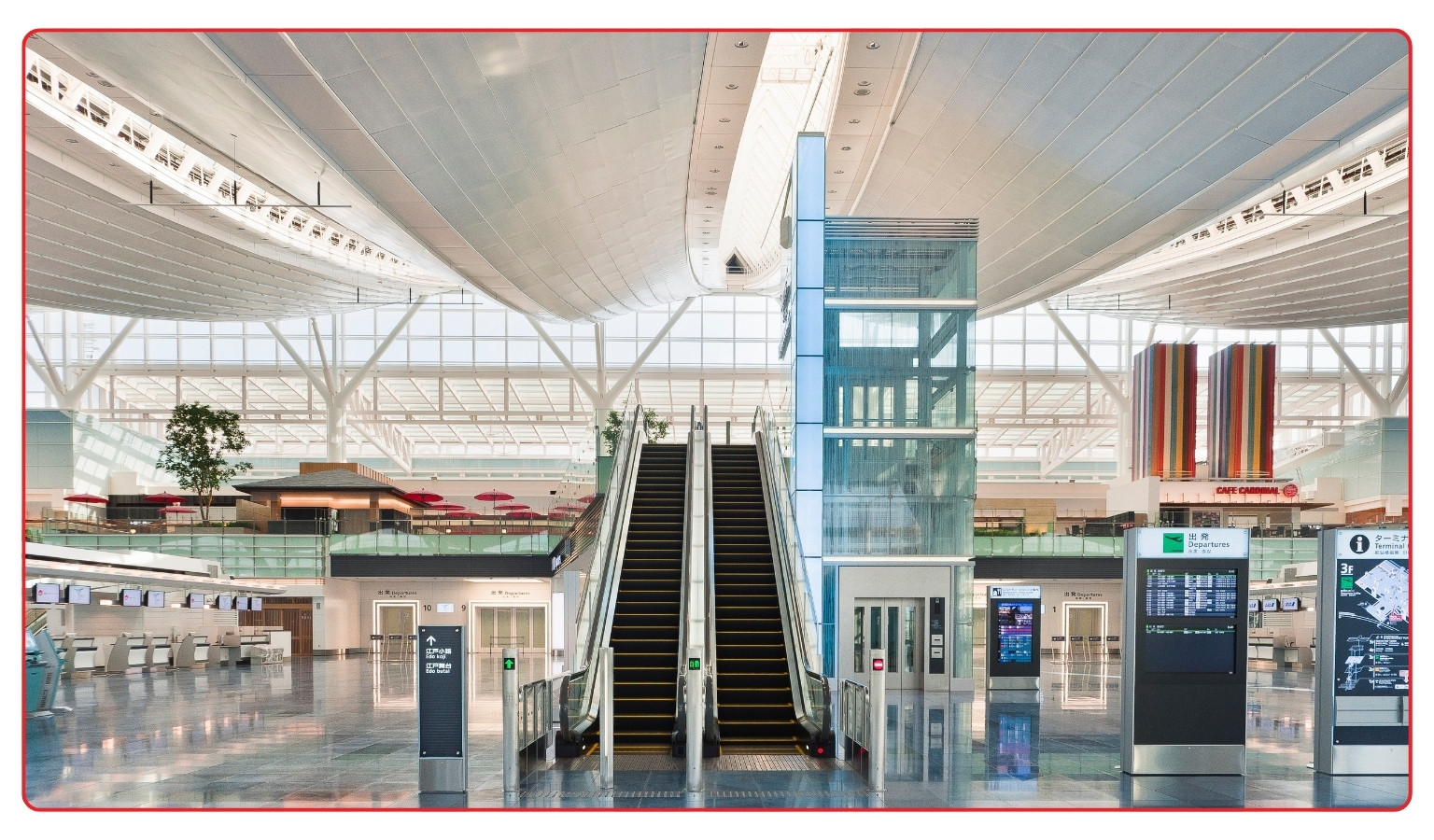
Haneda (HND) is the busiest airport in Japan and the closest to the city, roughly 30 minutes from Tokyo Station. If you want the shortest possible trip to your hotel after a long flight, this is your pick. The monorail and train connections into the city are fully accessible.
Narita (NRT) is Japan’s main international gateway, about 60 minutes from Tokyo Station by express train. It typically offers more flight options and more competitive pricing. The Narita Express and Keisei Skyliner trains into the city are both fully accessible, and Narita also has quiet rooms in its terminals for travelers who need a calm space.
Getting into the city from either airport, you have choices. Accessible trains are the most straightforward. JapanTaxi-style vehicles can carry manual wheelchair users but can’t fit power wheelchairs, and other accessible taxis require advance reservations; Accessible Japan keeps dedicated transfer pages for Haneda and Narita. The Airport Limousine Bus runs wheelchair-lift equipped services several times a day, but again, book ahead.
One more thing worth knowing: both airports offer mobility equipment rentals through MoVA by ANA, covering manual wheelchairs, electric wheelchairs, and mobility scooters. Accessible Japan has full rental guides for Haneda and Narita.
Everything in this guide is a summary. The depth lives at accessible-japan.com, and that’s exactly where you should go next. Browse the full attraction reviews, dig into the hotel listings, and if you have a question the site doesn’t answer, ask it in the Japan group on tabifolk, where Josh and a community of experienced travelers will help you directly.
Tokyo is one of the world’s great cities, and thanks to Josh and Accessible Japan, it’s also one of the best documented for disabled travelers. Go make the most of it.
All information in this guide is sourced from accessible-japan.com and shared with their permission. Accessibility details can change, so always check the linked reviews for the latest before you travel.




3 Responses
Do you have recommendations for renting Mobility equipment like Walkers or scooters.
Hi Joan, there are some good options on the Accessible Japan website: https://www.accessible-japan.com/renting-wheelchairs-hoists-japan/
Hope this helps! I will email you a link also, just in case you don’t see this comment.
Hello,
I am a HR Professional and I am a PWD from India.I am a Rotary foundation Alumni.
Gautam Kumar Chaudhury