Alicante's Accessible Corridor: From the Castle to Casa Mona
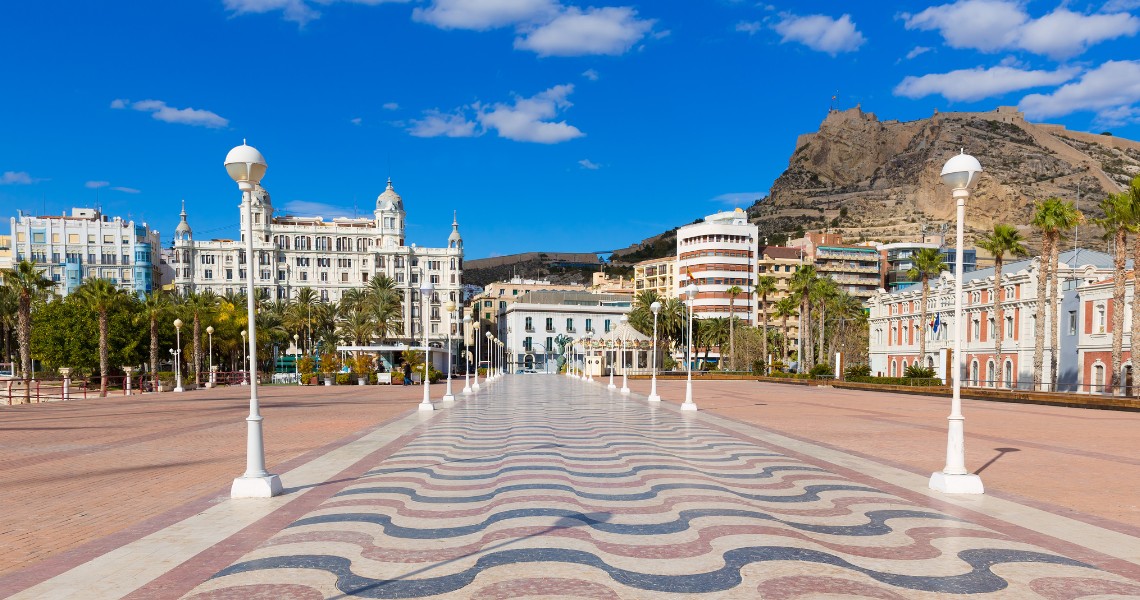
There’s a particular kind of morning light that hits the Explanada de España around eight, when the tourists are still working through room-service coffee and the joggers own the promenade. The marble underfoot, laid in wave patterns of black, red and cream, catches it and throws it back up warm. These are the details that are often overlooked when someone is piecing together a holiday brochure, partly because it’s difficult to capture in a photograph. It’s something you have to experience for yourself. If you’ve rolled or walked along that stretch at that hour, you’ll know exactly what I mean.
When staying in or around Alicante, I’d recommend starting most days on the Explanada, mainly because it’s flat, wide, and gives you a chance to catch a little morning sunshine before the real heat of the day sets in. The heat on the Costa Blanca, I must say, is no small consideration. By June it can get so stiflingly hot that a morning jaunt stops being a nice idea and becomes a necessity, because doing it mid-afternoon is a non-starter.
For this mini guide, I’ll be pairing both the city of Alicante and the town of L’Alfàs del Pi, about a 45-minute drive up the coast. I’m putting these two places together not only because they’re not often talked about in the same breath, but because one of our more popular accessible vacation home listings, Casa Mona, is located in L’Alfàs del Pi, so visitors will likely be traveling between their more rural base and the major city of Alicante fairly regularly. This part of Spain is also where you’ll find Benidorm, a city much closer to L’Alfàs del Pi than Alicante is, and one that’s hugely popular with holidaygoers from across Europe.
Alicante city: an elevator through a mountain
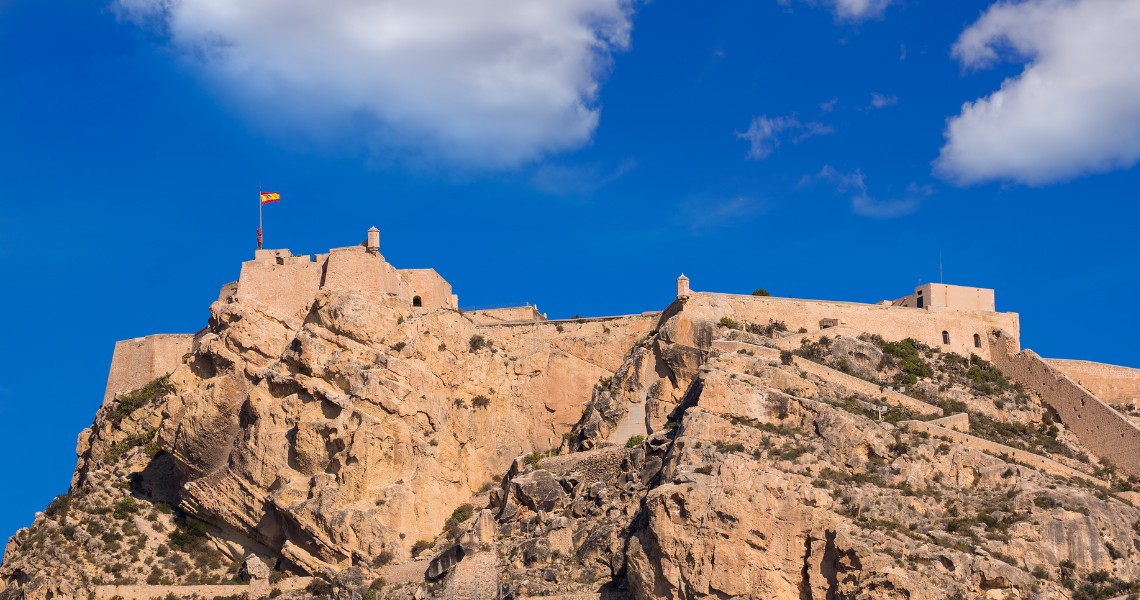
When exploring Alicante, why not start with the castle? It’s one of the city’s most visited attractions, and it sits atop Mount Benacantil rather magnificently. From the 9th-century walls of Castillo de Santa Bárbara you can see the surrounding city and coastline for miles. While most people climb to reach it, you don’t have to. There’s an elevator carved directly into the rock, accessed via a tunnel across from Postiguet Beach. The elevator now runs on a QR-code booking system too, available through the tourism offices, the cruise terminal, and the city’s hotels, so if you have a ticket loaded on your phone, you can skip the line almost entirely.
Something to keep in mind, though, is that while the lift takes you up to the castle, it doesn’t take you through all of it. Once you reach the top, the main plaza, the Plaza de Armas, is really quite accessible and worth sticking around in for a while. The two small museums inside the castle walls, however, are only reachable by stairs and sit on separate raised platforms.
The elevator up to Castillo de Santa Bárbara is carved straight into the rock. Getting in is easy. Getting through every corner of it isn't, and that's worth knowing before you go.
From the castle, it’s a short roll or walk down to MARQ, the Archaeological Museum, which does something a lot of European history museums still don’t bother with: it treats sensory access as part of the design brief, making for a refreshing change and a more inclusive space. The galleries lean on sound and imagery to carry the story forward, not just wall text, and disability advocacy groups in Spain have specifically recognized it as one of the country’s more accessible museums.
MARQ, Alicante's Archaeological Museum. Sound and imagery carry the exhibits as much as text does.
In terms of getting around Alicante, you can’t look much further than the TRAM, with its accessible wheelchair spaces, lumbar support backrests, and door-request buttons that need the lightest of touches to signal. You can’t miss the trams either, painted with a bright orange front end. Doors opening come with an announcement via both sound and light, inside and out, and stop-request buttons are also labeled in braille. At Luceros station there’s a magnetic hearing loop for hard-of-hearing passengers, and the city has started layering in NaviLens smart codes there too, ones a phone camera can pick up from several feet away without needing to be aimed precisely, which matters more than it sounds like it would when you’re navigating a station at rush hour. The same NaviLens system is scattered around the wider city now, at tourism points and public squares, helping to narrate Alicante to anyone who wants to listen.
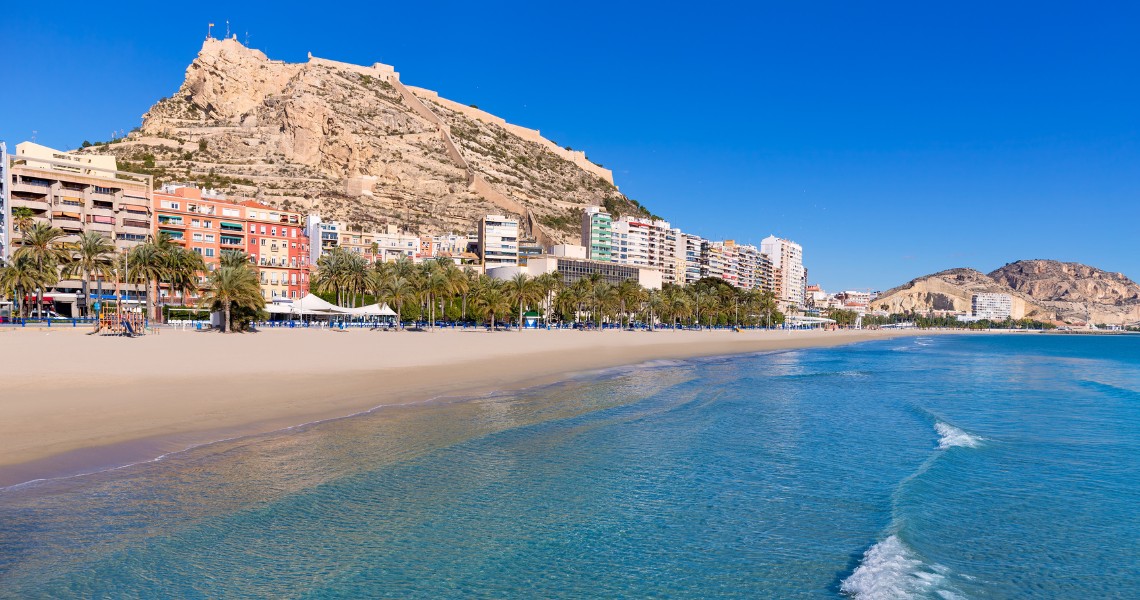
And then there’s the water. Alicante’s beaches, Postiguet beach chief among them, run a summer accessible-beach program that makes the beach genuinely inclusive. There’s a dedicated service for visitors with intellectual disabilities, plus bathing assistance for people who need it, staffed by people who clearly know what they’re doing.
Postiguet Beach, with Castillo de Santa Bárbara standing guard above it. This is where Alicante's accessible-beach program runs each summer.
North on the coast road
The drive from Alicante to L’Alfàs del Pi hugs the water for most of its length, and Benidorm, love it or not, sits en route as you approach L’Alfàs del Pi. It’s worth some of your time even if the skyline and party atmosphere aren’t to your taste. Playa de Poniente has two separate accessible zones, one near Parque de Elche and one closer to the Mont Benidorm end, both with shade structures, amphibious chairs for getting into the water, and staff on hand through the summer season. Benidorm has actually built an entire municipal accessibility plan around this, one that explicitly covers physical, visual, auditory, and cognitive access. It shows when you stop to have a look around. The beach itself is quite calm, more local, less spring-break energy, and to be fair, a nicer place to sit for an hour than to simply photograph and move on from.
The elevator up to Castillo de Santa Bárbara is carved straight into the rock. Getting in is easy. Getting through every corner of it isn't, and that's worth knowing before you go.
L’Alfàs del Pi: where the pace drops
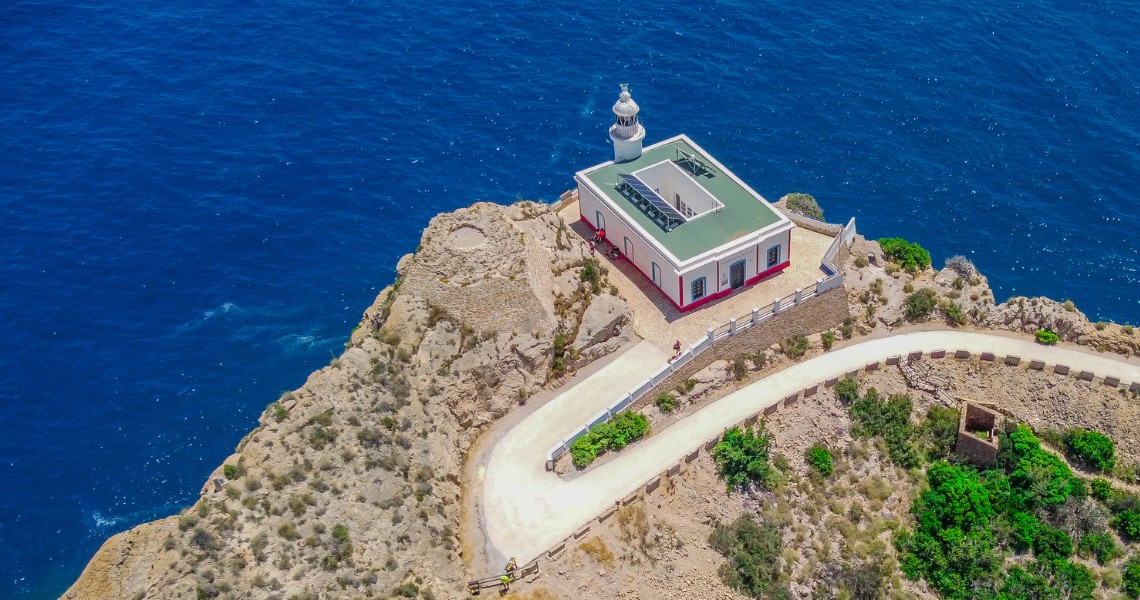
By the time you reach L’Alfàs del Pi, the towns have gotten smaller and the pace has dropped with them. This is Norwegian-retiree country as much as it’s anything else, something reflected in the quiet of the region. The Ruta del Faro, the lighthouse walk out toward Punta Bombarda, is certainly worth checking out. It’s rather smooth underfoot, but be aware, there’s a bit of an incline in parts. The walkway is shaded in patches, has reserved accessible parking, and the lighthouse at the end is a beautiful climax to an evening stroll, with panoramic views out over the coast.
Just below it is Racó de l’Albir beach, which might be the best single accessible beach point on this whole stretch of coast. There’s a staffed bathing point with amphibious chairs and crutches, adapted showers and toilets, shaded rest areas, and assistants on hand to help out. It’s Blue Flag certified, which in practice means the waters are genuinely clean. Definitely worth taking a look and spending some time there catching the sun and the waves.
The Ruta del Faro in L'Alfàs del Pi, a flat coastal walk ending at a lighthouse that's earned its view.
Where to stay
This is also, not coincidentally, where one of our featured accessible rental property listings, Casa Mona, is situated.
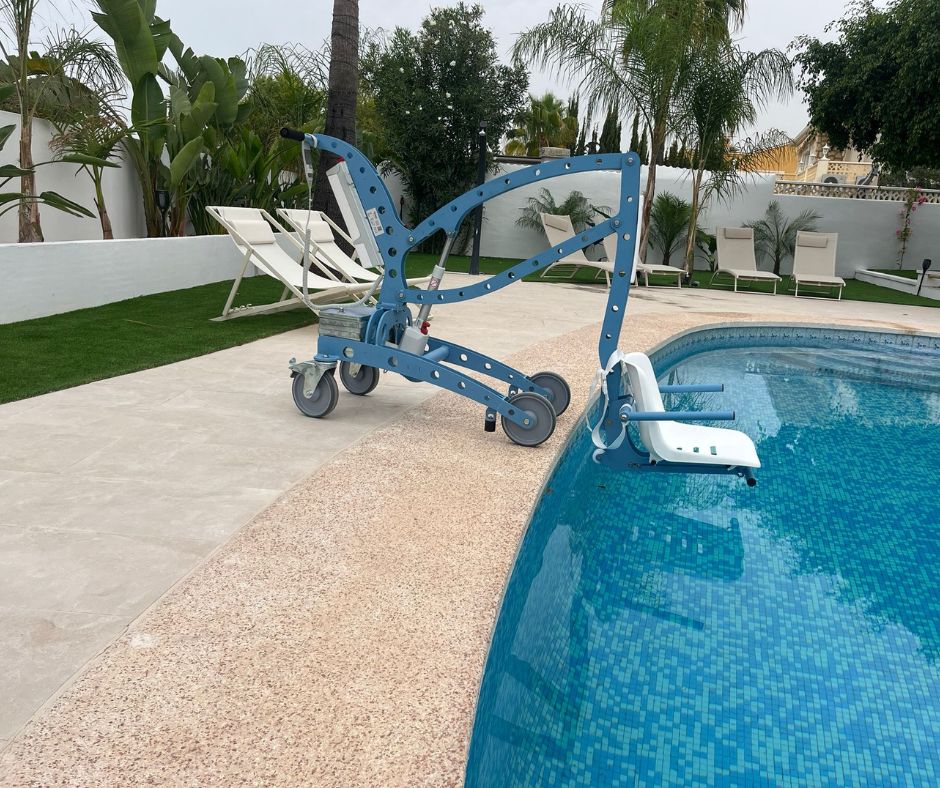
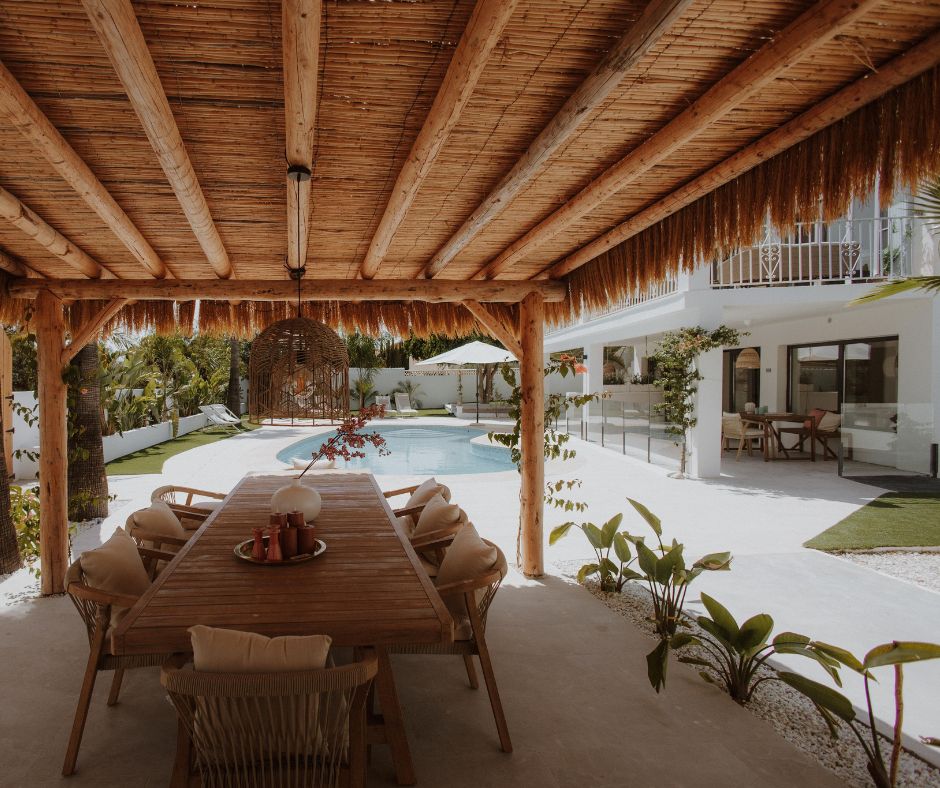
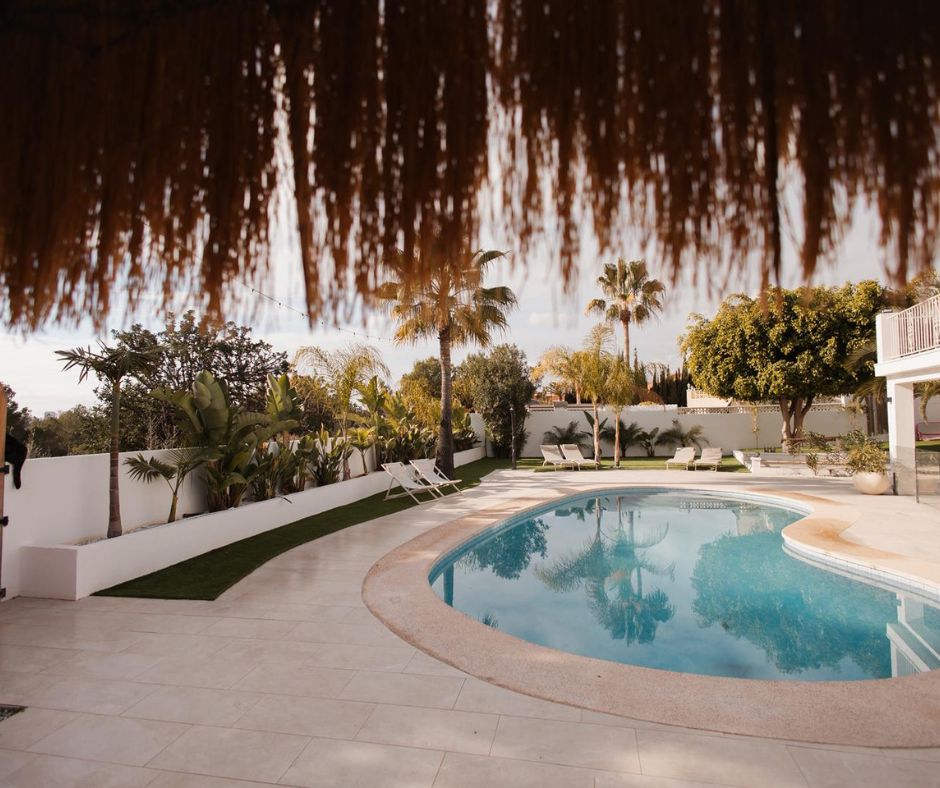
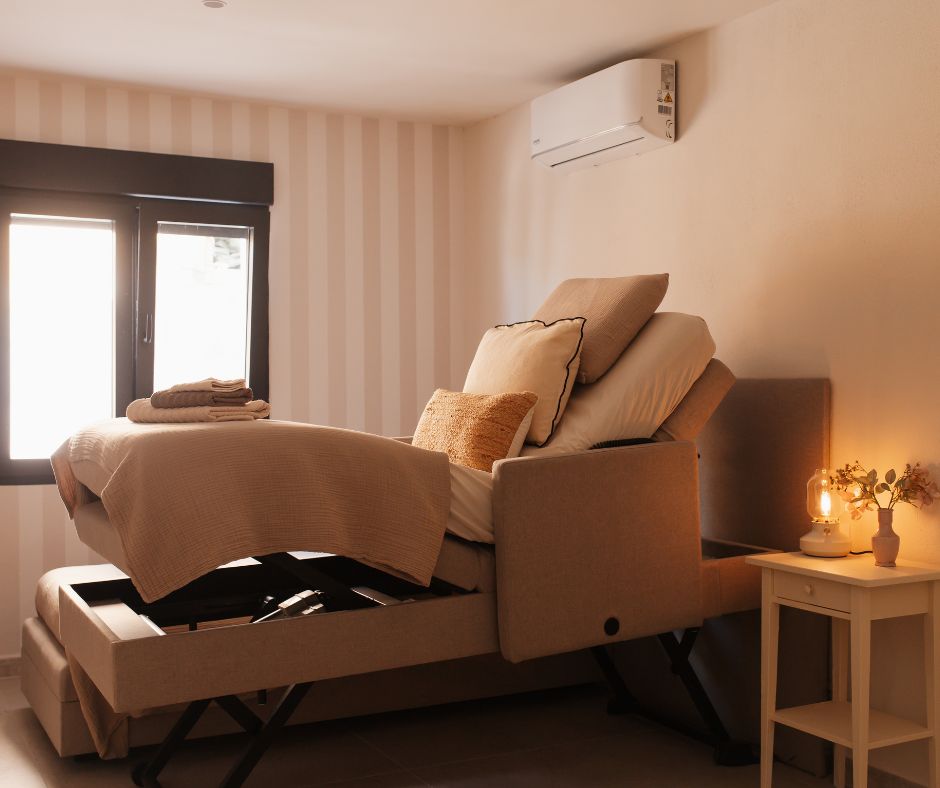
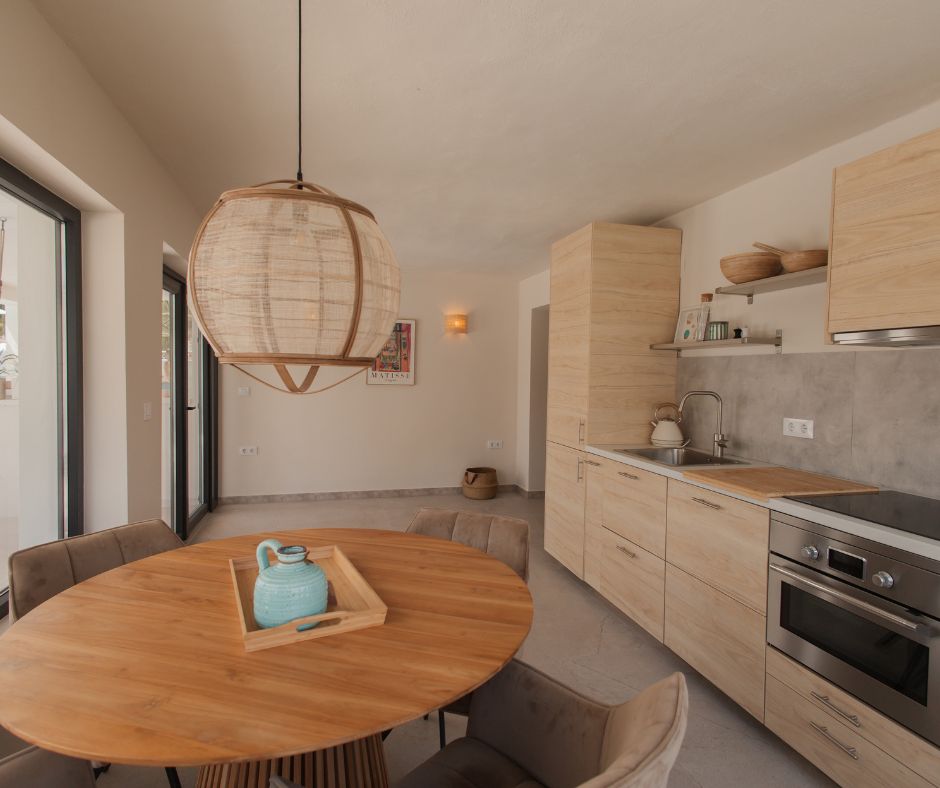
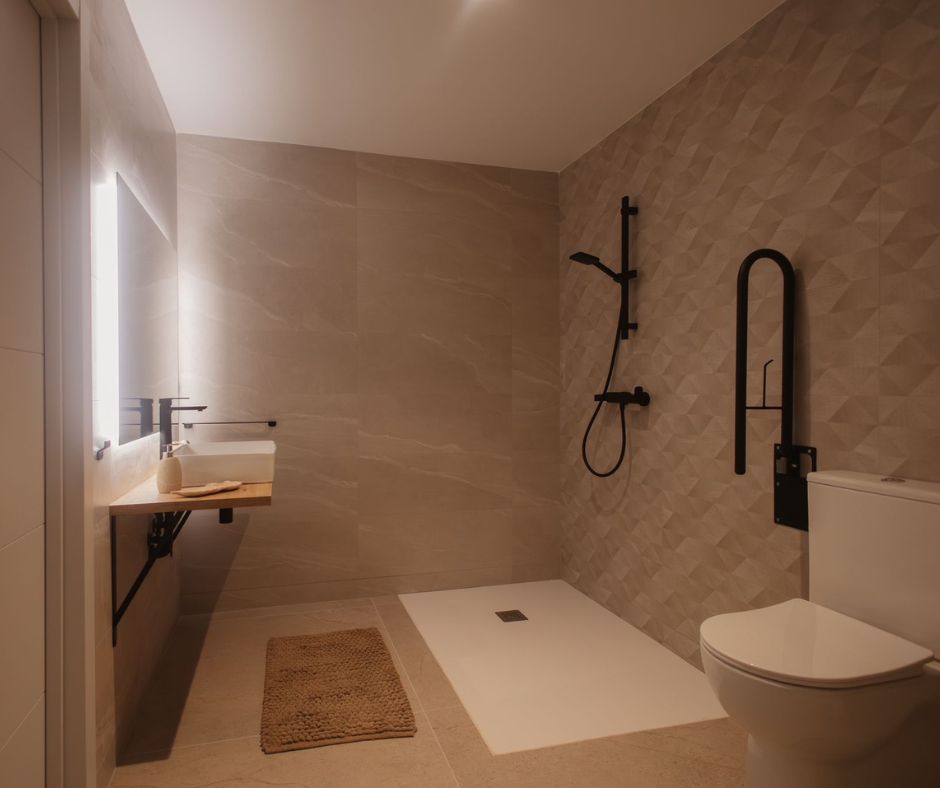
Casa Mona is a pair of step-free apartments in L’Alfàs del Pi, close enough to the Albir beach and lighthouse route that you could walk it on a good day, and it solves a problem most accessible travel guides gloss over: what happens when accessible needs to mean more than a roll-in shower. Between the two apartments, which sleep up to six guests total, you’re looking at a passive hoist, two shower chairs sized for adults and children, a height-adjustable double bed, a secure bed box, and a pool lift for the property’s own pool, not a theoretical one three towns over. If your trip involves an assistant, a nurse, or simply someone who needs more support than a standard hotel room accounts for, Casa Mona also offers the option to bring in personalized care for an additional fee, scaled to what you actually need rather than a one-size answer. It’s the rare accessible listing that reads like it was built by people who’ve actually had to think through a transfer at two in the morning, because it was. You can see the full layout and photos on our Casa Mona listing.
Do you have a great hotel recommendation for Alicante or Benidorm? Let us know in the comment section!