Five Accessible US Cities Made for a City Break in 2027
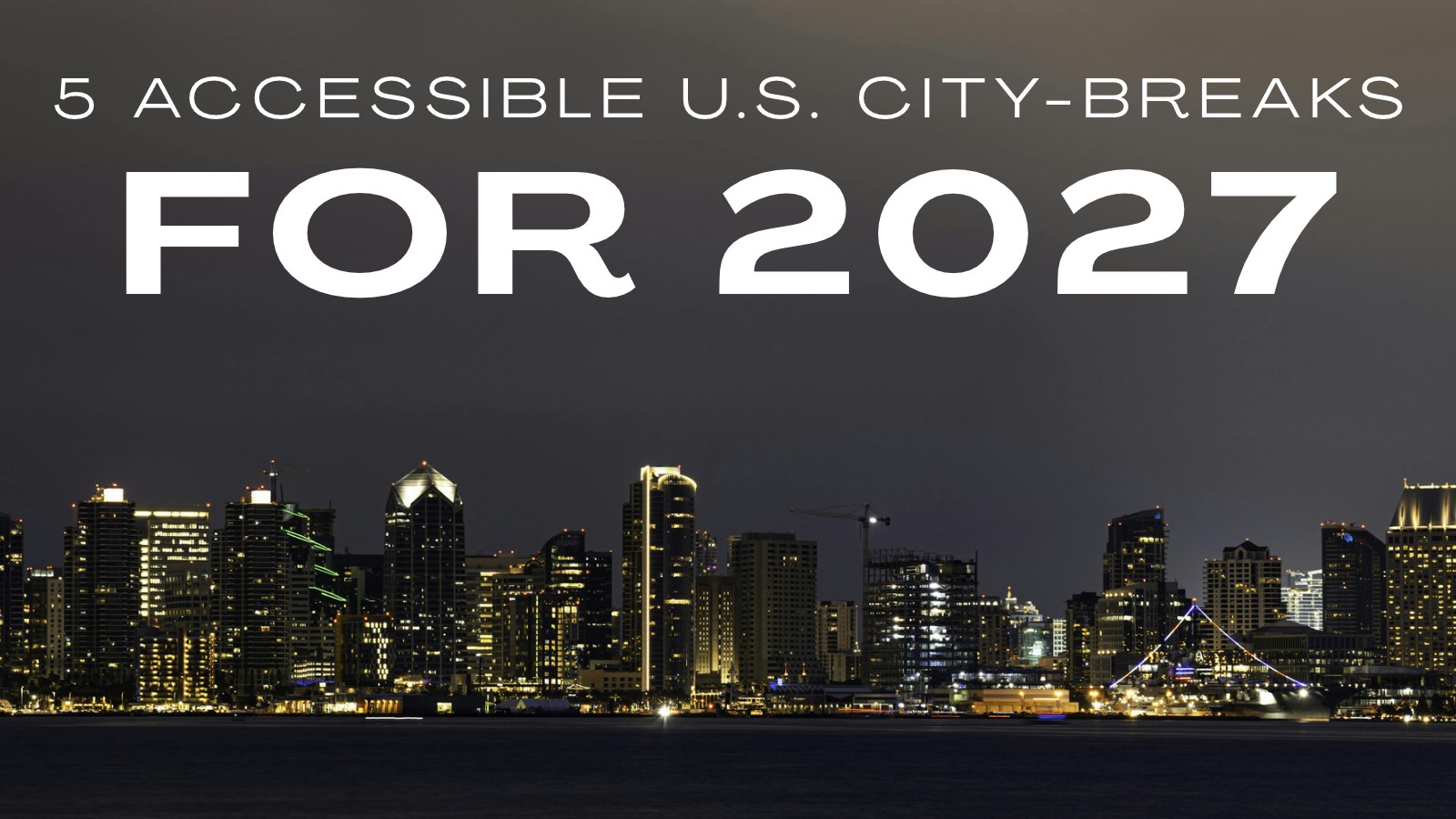
Stop for a moment and think about how it feels to embark on a trip and find that accessibility at your destination meets all your needs and you truly get to just enjoy the trip that you're on. If barriers didn't need to be so meticulously planned around, then this feeling would be far more often a reality. Sadly, it seems difficult to find these rarefied locations where everything, for the most part, is stress free and inclusive. But, they do exist, and the USA is a great place to find some of them.
In this article, we'll break down five of the most accessible cities in the US, helping you to eradicate the dread of finding out that "accessible" meant that there was only one big step instead of three, or that the municipality's sidewalks are nothing short of horrendous. Because who doesn't love a successful city break from time to time, right?
The five cities that we've chosen tend to get a lot right when it comes to making sure they're up to code with the ADA (Americans with Disabilities Act). They were chosen after digging through several rankings from the past year, details from tourism boards (and their updates), access guides, and some first-hand knowledge for good measure. They were also chosen because they go far beyond simply having step-free streets; they also welcome guests who are Deaf or hard of hearing, blind or low vision, autistic or sensory-sensitive, or living with a hidden disability. However, what's just as important is that each of these cities is worth visiting in its own right and should be high on the list for those living without a disability, too. Knowing that a city is quite accessible is only part of the deal; the city needs to have a bit about it to make you want to visit in the first place.
Brief reminder before we continue: access shifts all of the time. Elevators can break down, programs can either be paused or suspended, so treat everything that you read below as a starting point. It always pays to double check before you go, or book through an accessible travel advisor who'll take care of that for you.
1. Washington, DC: Viewing the Nation's Capital with Ease
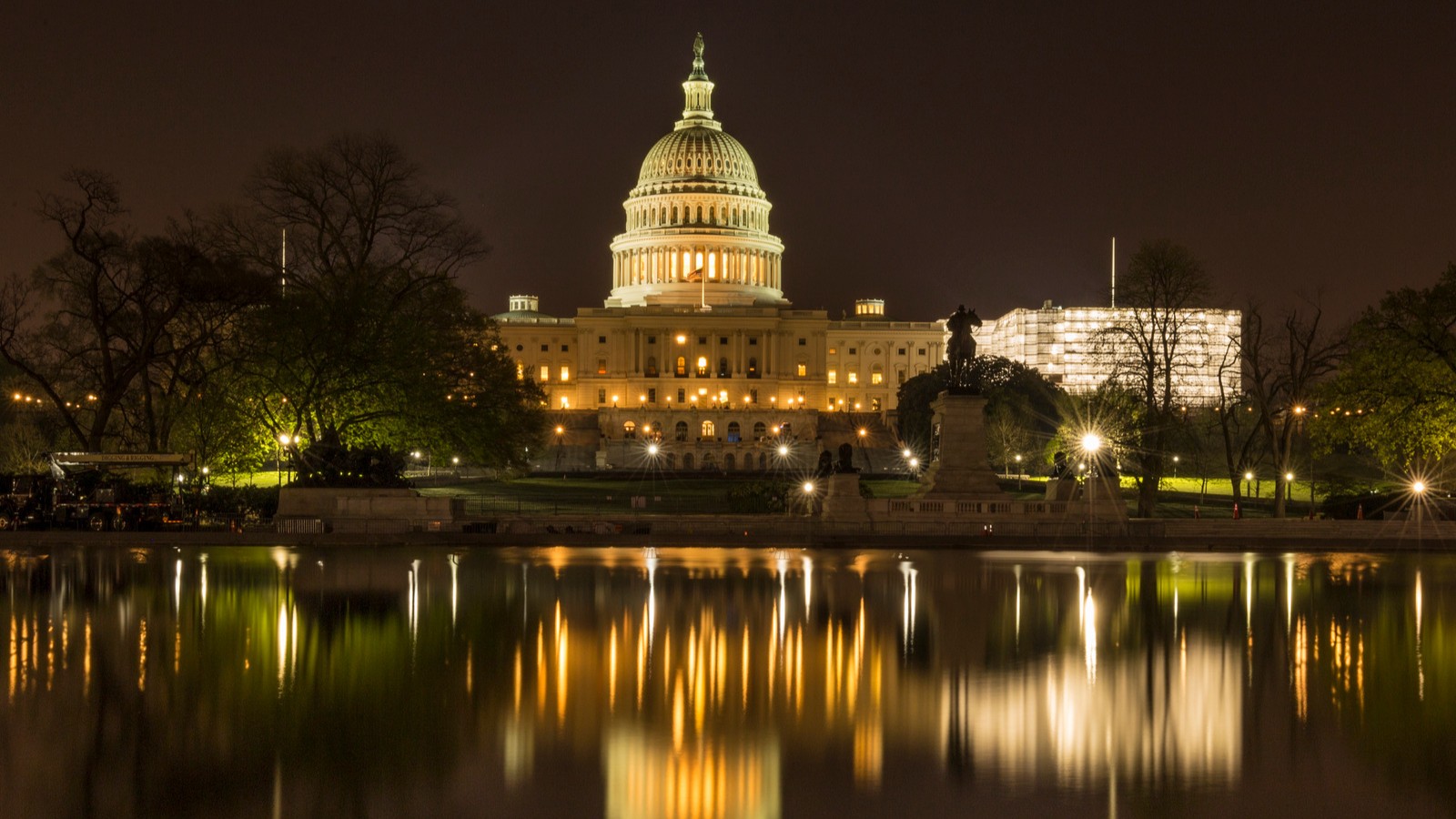
Year on year, DC is almost always featured on accessible travel lists, and for good reason. The capital was built largely around wide boulevards and a lot of wide open spaces. The city's Metro has, for the longest time, been the gold standard for American transit, with every station and every rail car being wheelchair accessible. It's because of this that DC feels genuinely easy to navigate even if you're completely car-free. Not many other cities in the US can boast that!
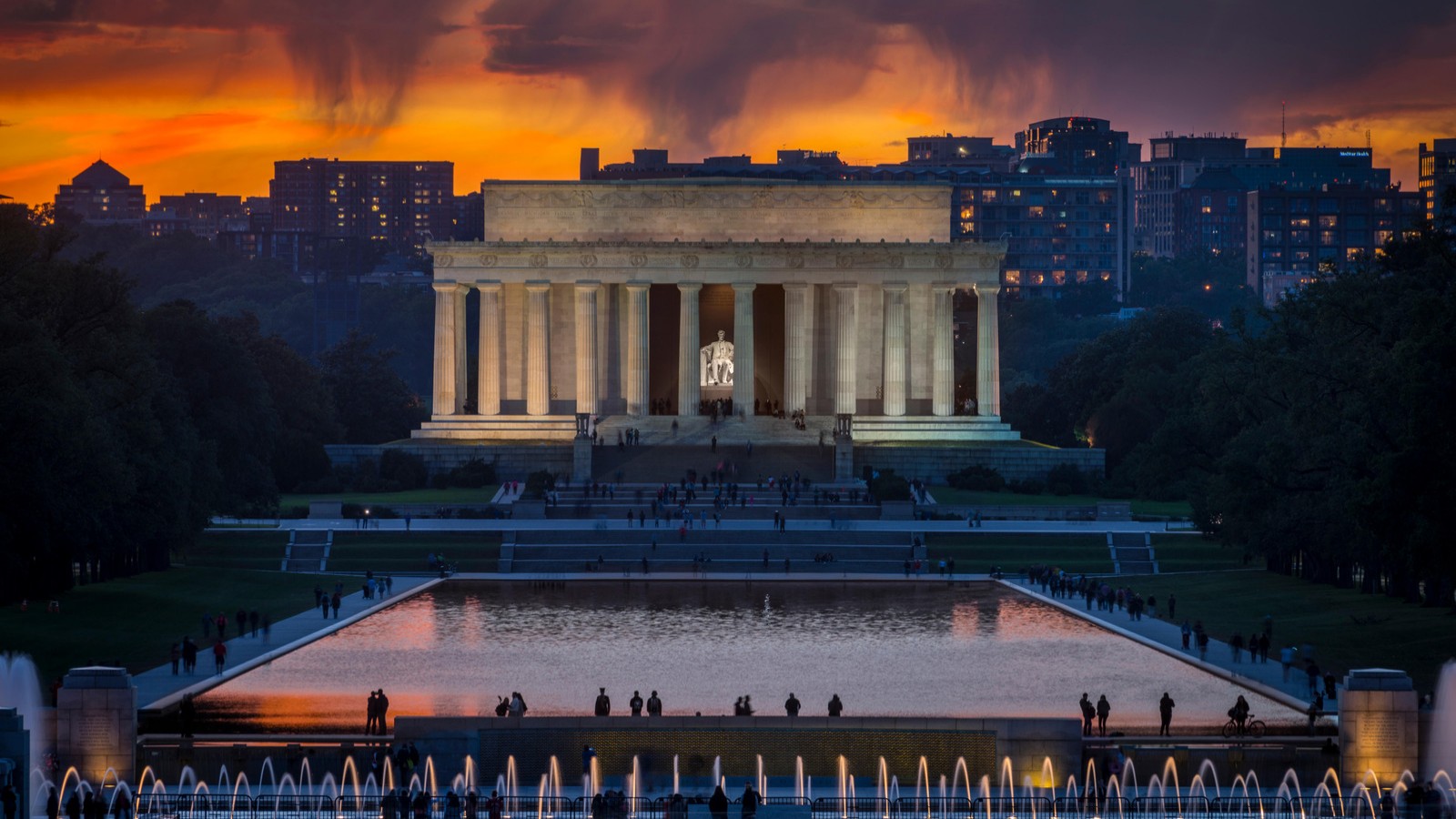
What's more, all of the Smithsonian museums are free to enter, which takes a big sting out of any short visit. Coupled with the fact that they have wonderfully accessible programming, and it's a must-visit whenever you're in town. Blind and low-vision visitors can arrange visual description or sighted guide tours at any of the Smithsonian museums, and the American Art Museum runs regular described tours through its America InSight program, alongside Art Signs conversations held entirely in American Sign Language. Families with neurodivergent children can look out for the free, sensory-friendly Morning at the Museum sessions, and the Smithsonian publishes social narratives and sensory maps so you can preview a visit before you set foot inside. Braille and large-print maps wait at the information desks, and if you'd like a little extra help, the Aira visual interpreting service is available across the DC museums.
As for additional reasons why you'd visit DC, look no further than how the city appears in spring and fall, when visitors can enjoy long, slow strolls (or rolls) along the National Mall, past the Lincoln Memorial and around the Tidal Basin, with a stop at the free US Botanic Garden when you need a warm, green pause. If you're a curious traveler, this city will surely reward you. You'll be able to pack a great deal into a three-day city break without wearing yourself out completely.
2. Chicago: This Windy City has a Big Sensory-Friendly Heart
Chicago's tourism board has leaned heavily into inclusive and accessible travel over the past few years, especially for those whose access needs aren't always visible. It's something that you'll surely pick up on soon after landing. Both O'Hare and Midway airports offer sensory maps, social stories, and calming kits, and both proudly take part in the Hidden Disabilities Sunflower scheme.
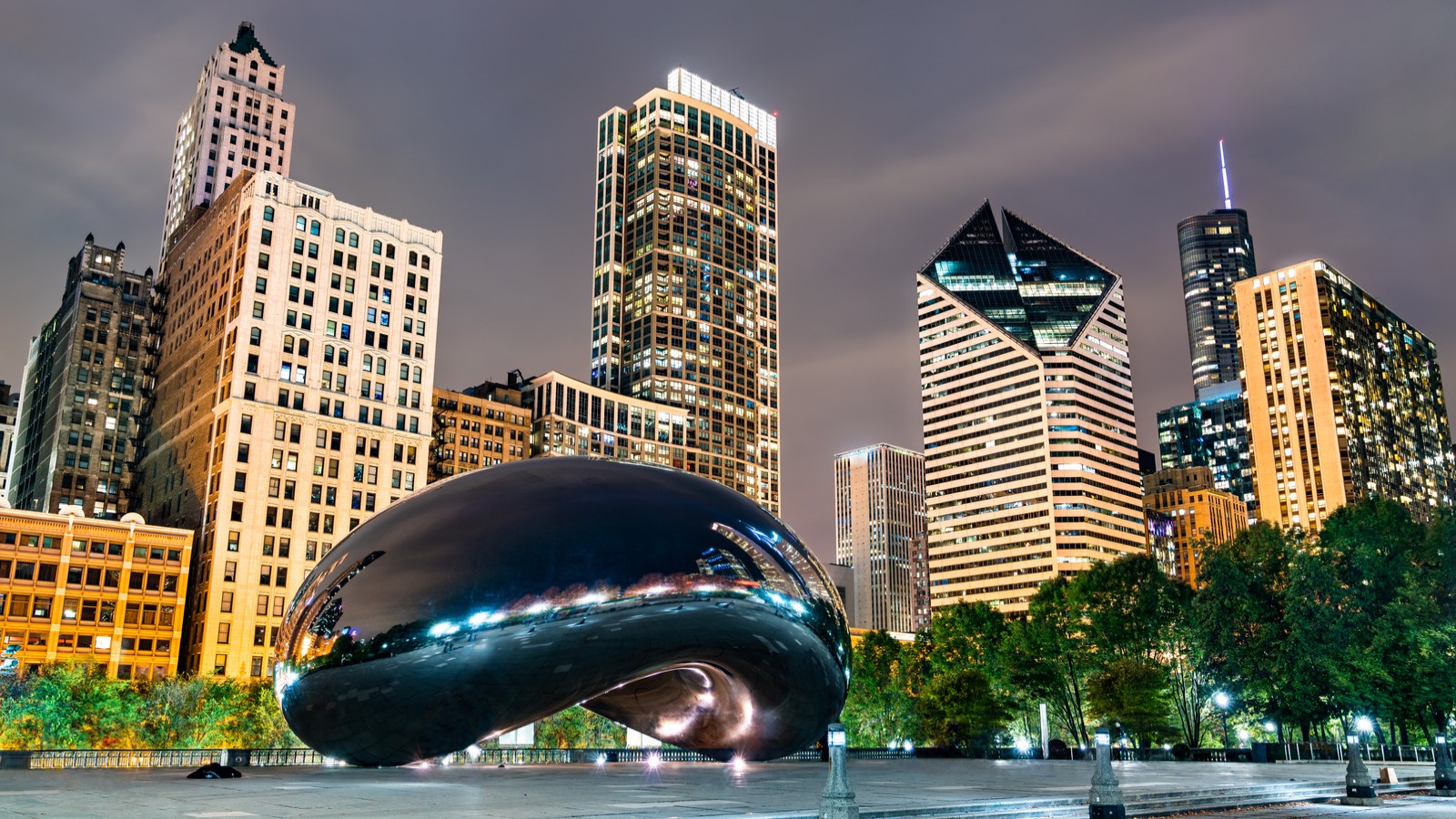
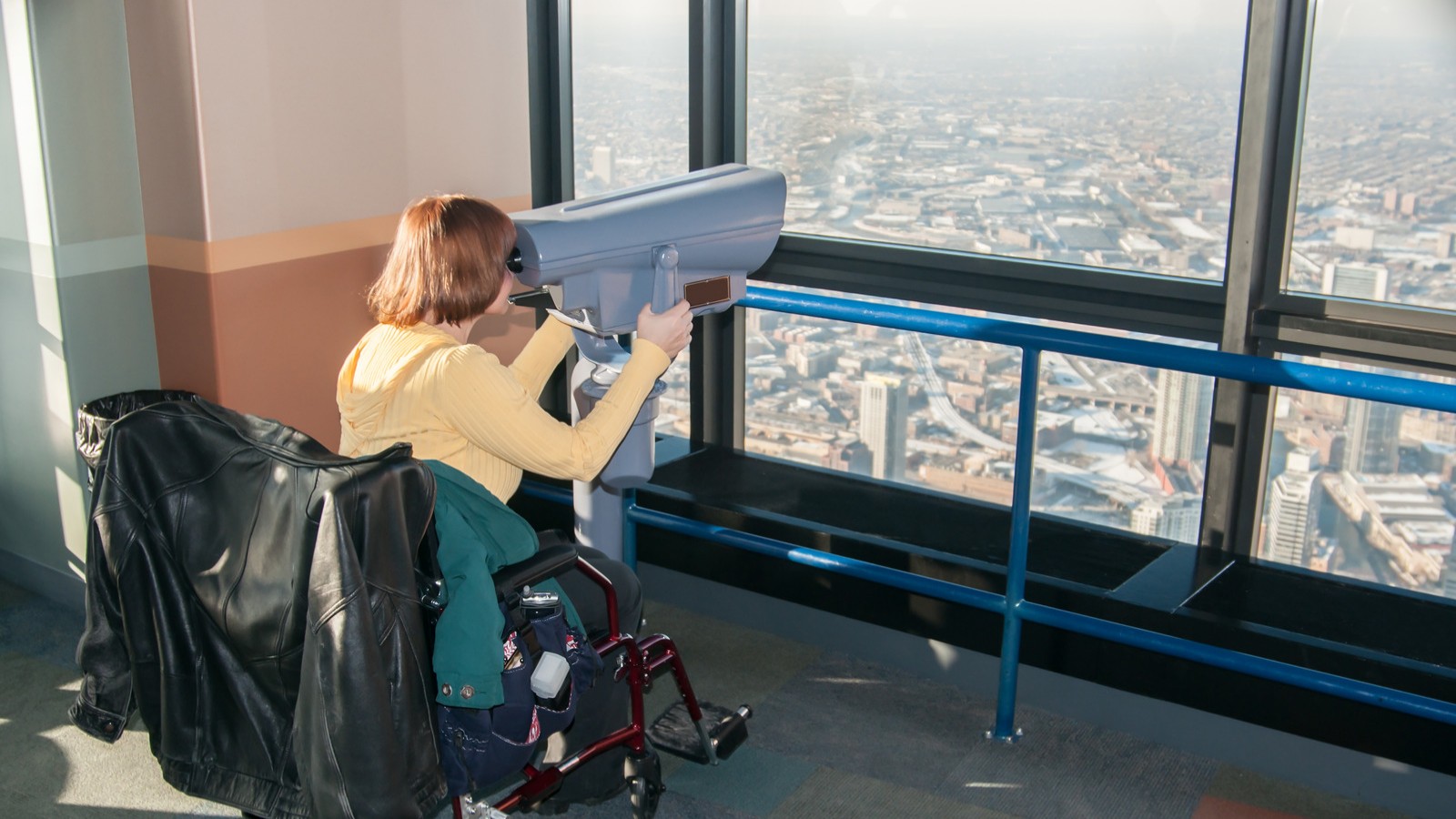
This care continues throughout the city. Lincoln Park Zoo (which is free to enter) holds a Sensory Inclusive certificate and has quiet rooms, tactile exhibits (also fantastic for visitors with low vision) and guided sensory tours. Navy Pier's accessibility maps flag which areas are calm and which are busy, which is a small idea that makes a huge difference. Up in the Skydeck at Willis Tower, sensory-sensitive guests can skip the louder exhibits and head straight for the views.
Chicago is also a brilliant pick for Deaf and hard-of-hearing visitors. The Art Institute runs tours in ASL, the famous architecture river cruises cater for Deaf guests, and the Lyric Opera has experimented with wearable technology that lets audiences feel the music through vibration. For wheelchair users, the Riverwalk is really beautifully accessible, wheelchair-accessible taxis can be booked by phone or app, and Uber offers WAVs in the city. The Museum of Contemporary Art even offers free entry to disabled visitors and their carers.
But what makes Chicago a top pick beyond access? It's sheer variety, of course! You can spend a morning among Impressionists, an afternoon by Lake Michigan and an evening at the Chicago Symphony Orchestra or a Navy Pier theater, with deep-dish pizza somewhere in between. Late spring through early fall is the sweet spot, when the lakefront is at its best and the city dwellers flock outdoors.

3. San Diego: Is the Beach Break Accessible?
All too often for disabled travelers the beach is somewhere where we can simply look and admire. Few beaches have truly great access, and fewer still have facilities to help you get in the water (though this is improving, globally). San Diego is one of the cities where they have been working hard to change that. Free beach wheelchairs are available at nine local beaches, several beaches have installed mats across the sand, and a local company even rents portable mats you can take wherever you fancy. A morning on the sand at La Jolla Shores or Mission Beach is a realistic plan in San Diego, not merely a wish.
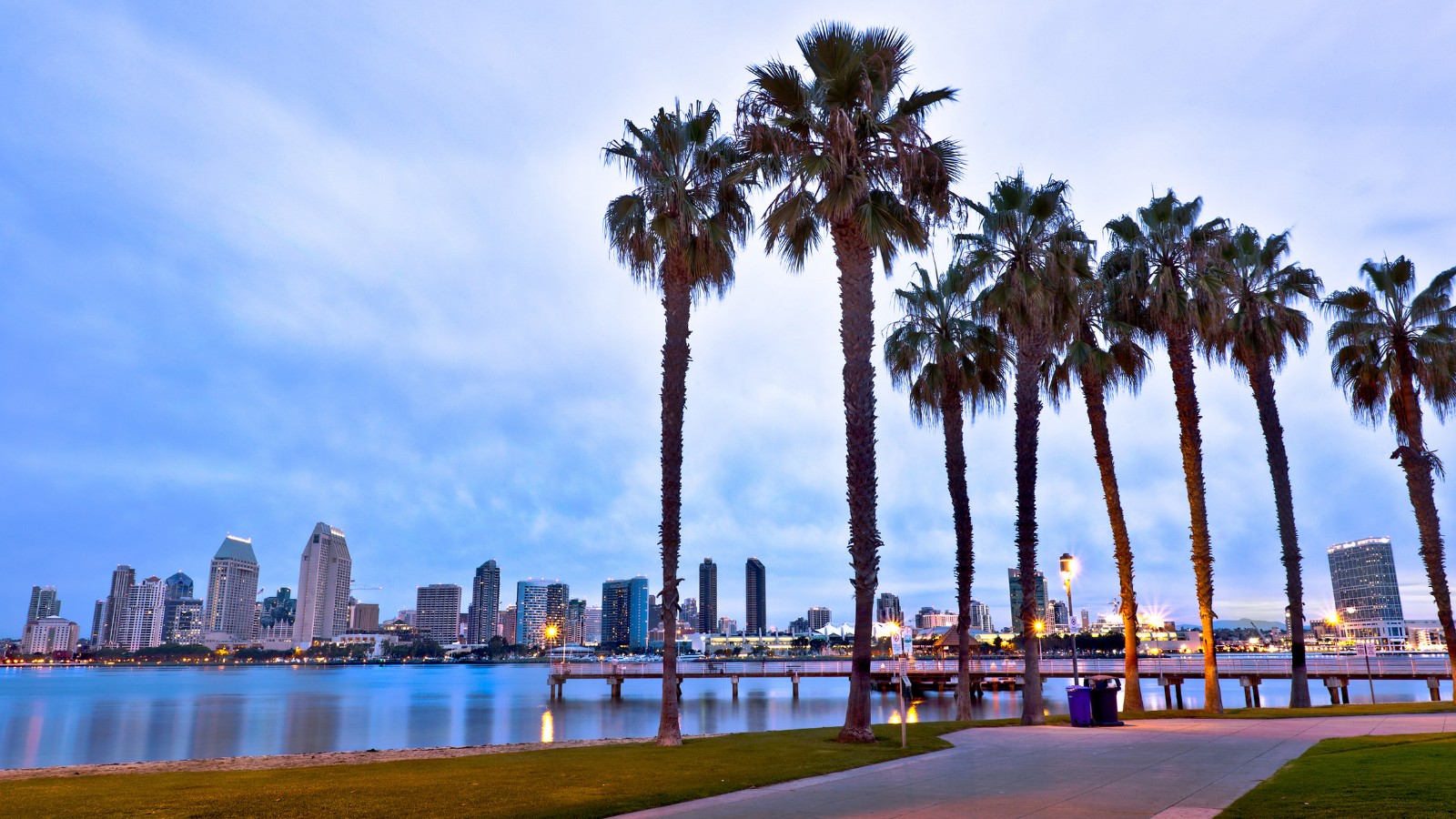
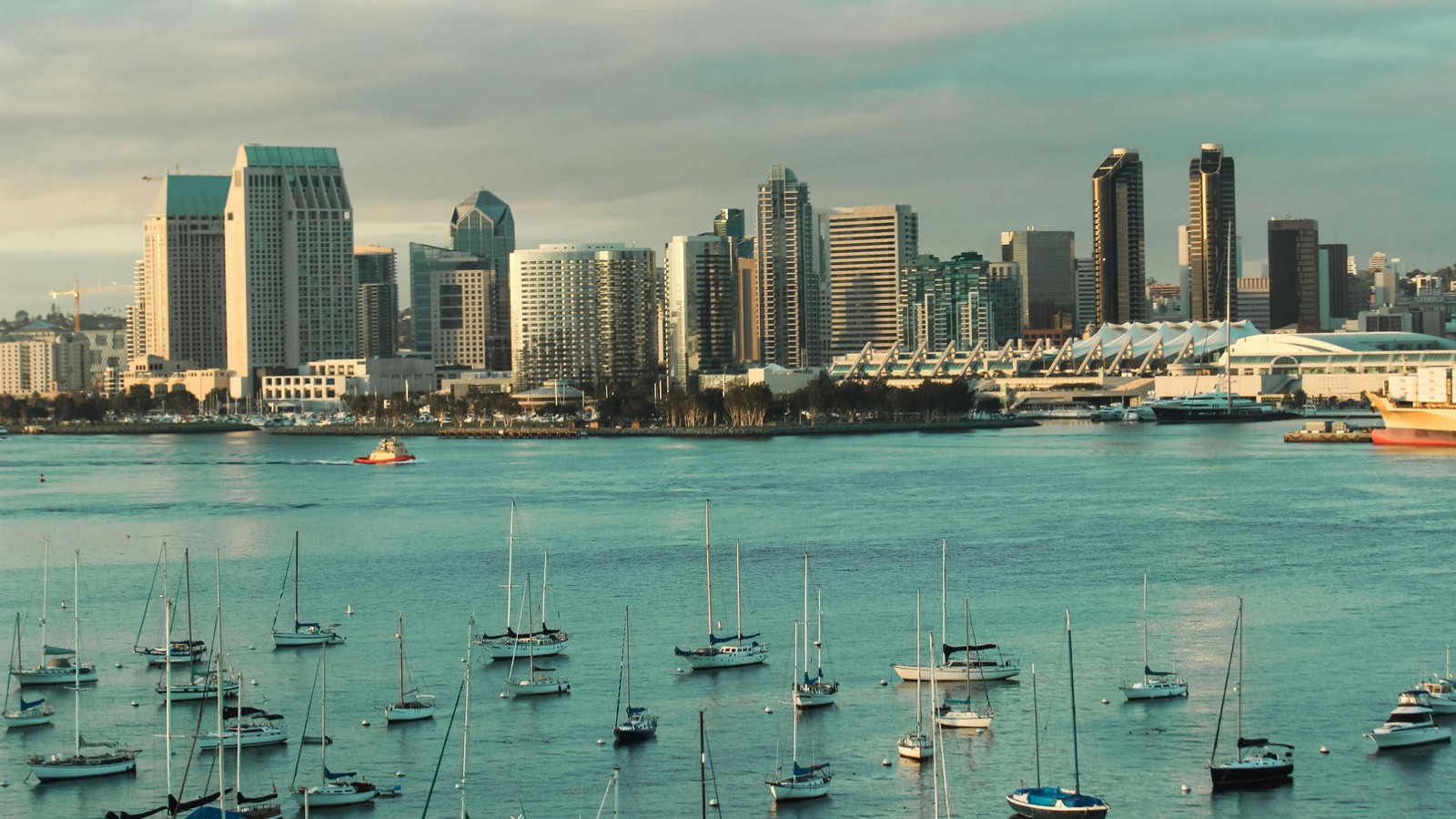
Further inland, the city's major attractions have taken huge steps to ensure they are inclusive for all visitors. The San Diego Zoo Wildlife Alliance publishes a detailed 2026 accessibility guide, with assistive listening devices at shows and ASL interpreters available with notice, while the Safari Park offers lift-equipped shuttles. Birch Aquarium sits almost entirely on one level, LEGOLAND provides a social story to help children prepare, and Cabrillo National Monument, with its sweeping harbor views, offers signing rangers, captioned films and assistive listening for Deaf and hard-of-hearing visitors. And if you're a convention-goer, Comic-Con has a long track record of services for disabled attendees too.
San Diego's mild, sunny weather means there's no bad month to visit, which is a real bonus if excess heat or cold affects your body. Neighborhoods like the Gaslamp Quarter and Old Town are compact and full of good food, the waterfront is made for lazy afternoons, and there's an easy-going pace to the place that suits a city break where you'd rather savor than sprint.
4. Seattle: Bringing Building Access into the Future
A lot of people will tell you that Seattle is famed for treating accessibility as part of its infrastructure at every step, rather than allowing it to become an afterthought. Every King County Metro bus is wheelchair accessible, and the Link light rail, which is step-free, now connects the airport, downtown area, the stadiums, and the University of Washington. What's more, since March 2026, it's also crossed the lake to Bellevue and Redmond. You can also use a free tool called AccessMap that will plot step-free routes around the city's famously hilly streets, which is worth its weight in gold.

Seattle's airport has sensory rooms for anyone who might be feeling overwhelmed, as well as free wheelchair assistance (though this is something standard in most airports). A nice touch is their rehearsal events where families can practice the airport journey before the real deal. Across the region, Wheel the World has been publishing verified accessibility details for hotels and attractions, and Bellevue has adopted the approach city-wide.
Inside the attractions themselves, access goes far beyond a few ramps. The Seattle Art Museum provides magnifiers and visual aids for low-vision visitors, as well as ASL interpretation. Over at the Museum of Flight, sensory days see the lighting and sound turned down to more comfortable levels, while the Pacific Science Center has its own sensory lounge for when you need a breather. MoPOP (the Museum of Pop Culture) was designed with input from Seattle's disabled community, and it connects straight to the Monorail, too. And for wheelchair users, the Seattle Great Wheel has a lift and ramp so you can roll directly into a gondola and take in the views over the waterfront. No transferring required!
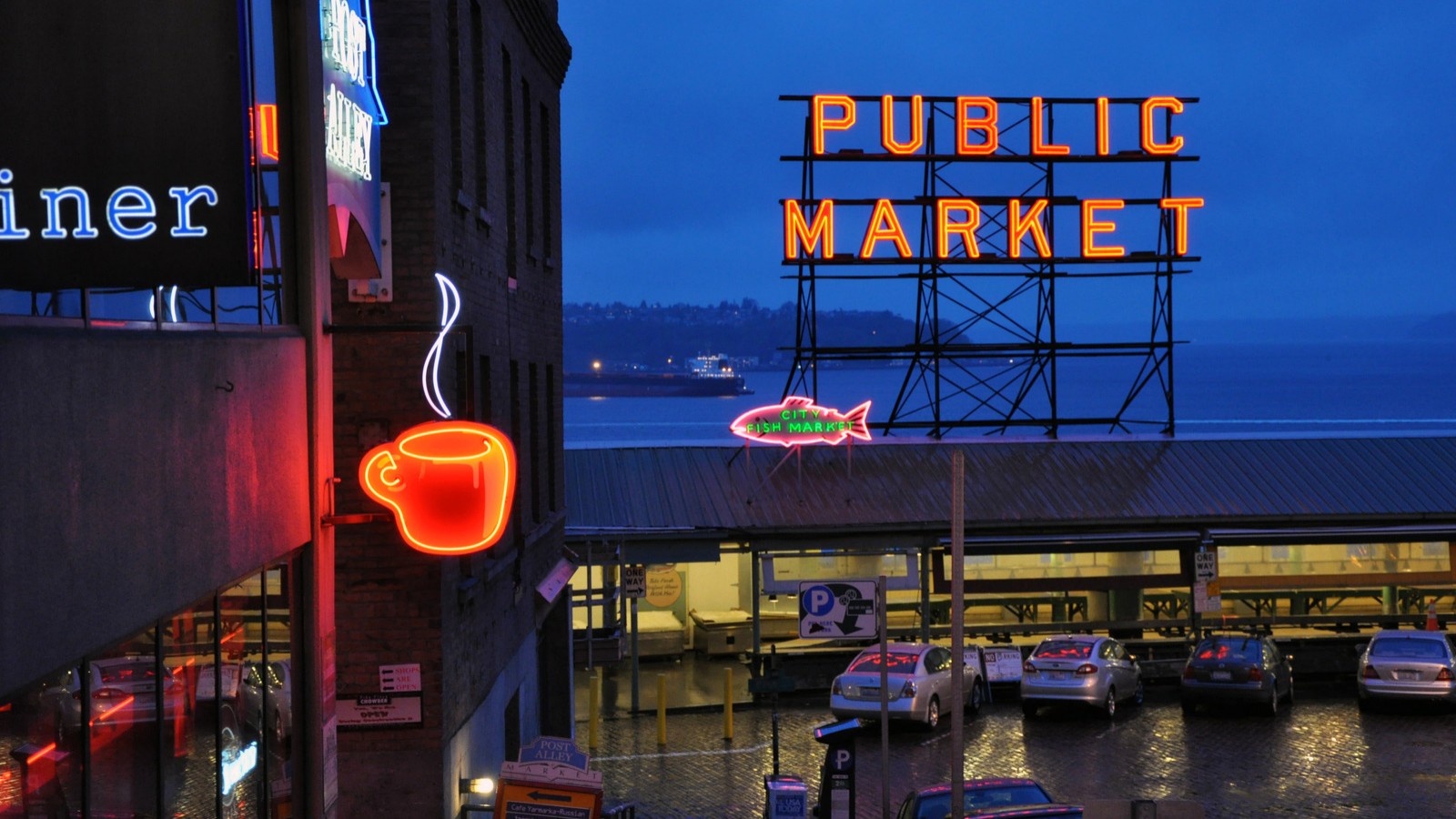
So, thinking beyond the access, why Seattle? Quite simply, it's a joy to explore. Picture Pike Place Market in the morning, the salmon ladder at the Ballard Locks in the afternoon and fresh seafood by the water in the evening, with the mountains and Puget Sound framing everything in between. Summer is the driest and brightest time to visit (Seattle's reputation for rain isn't entirely undeserved), though the city's indoor culture makes it a cozy choice in the shoulder seasons as well.
5. Mesa, Arizona: Is This A Haven For Neurodivergent Travelers?
Mesa thoroughly deserves its place on this list, because it genuinely changed the conversation around accessible travel. Back in 2019, it became the first city in the United States to earn Autism Certified City status. The idea came about after the head of Visit Mesa had a frustrating family trip with his autistic six-year-old the year before. Since then, around 10,500 people across Mesa and the surrounding area have completed autism training (according to the city's own figures from this year). What this means for you is that the hotel receptionist, the museum guide and the server at your table are far more likely to understand what a sensory-sensitive traveler might need.
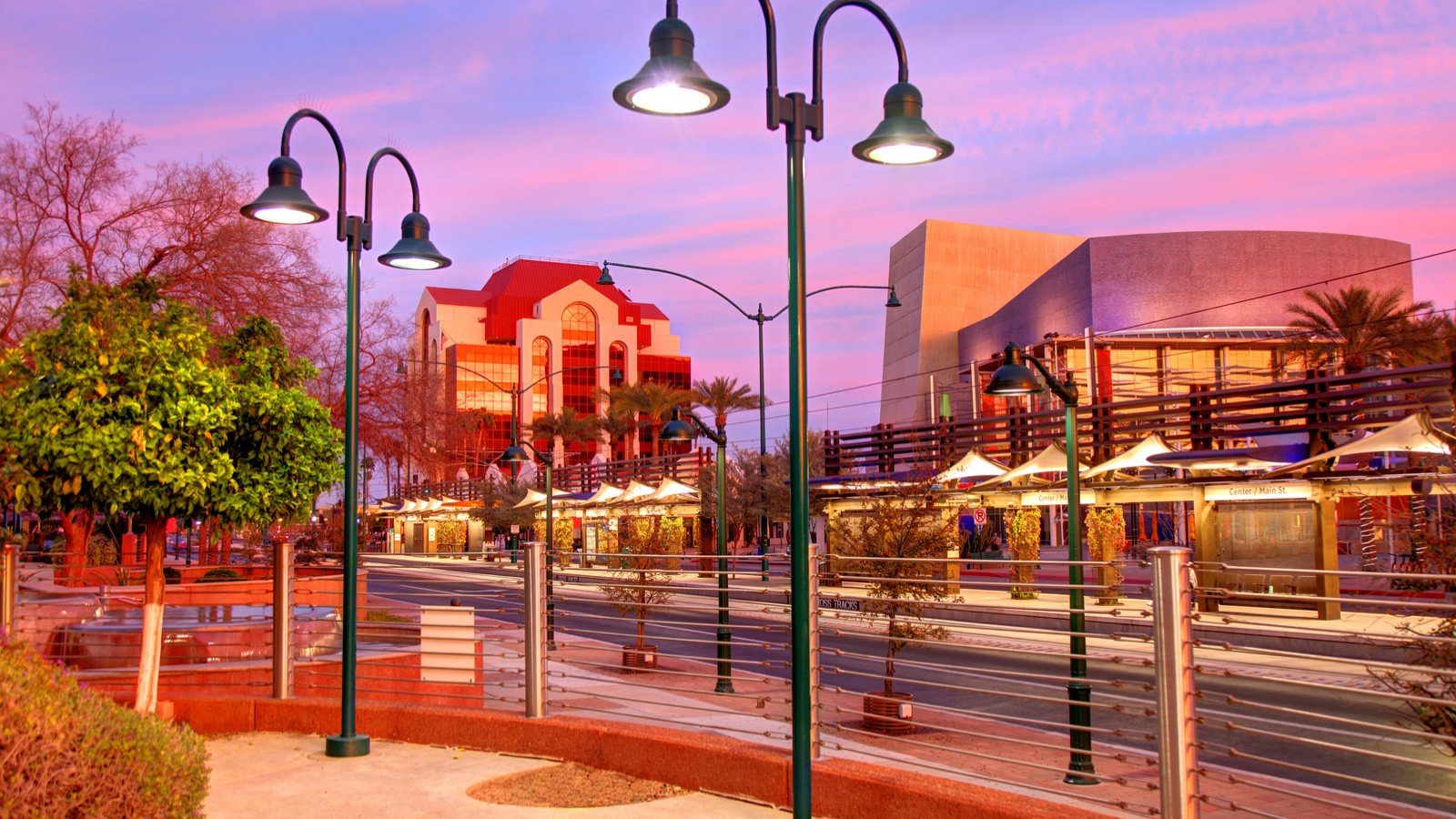
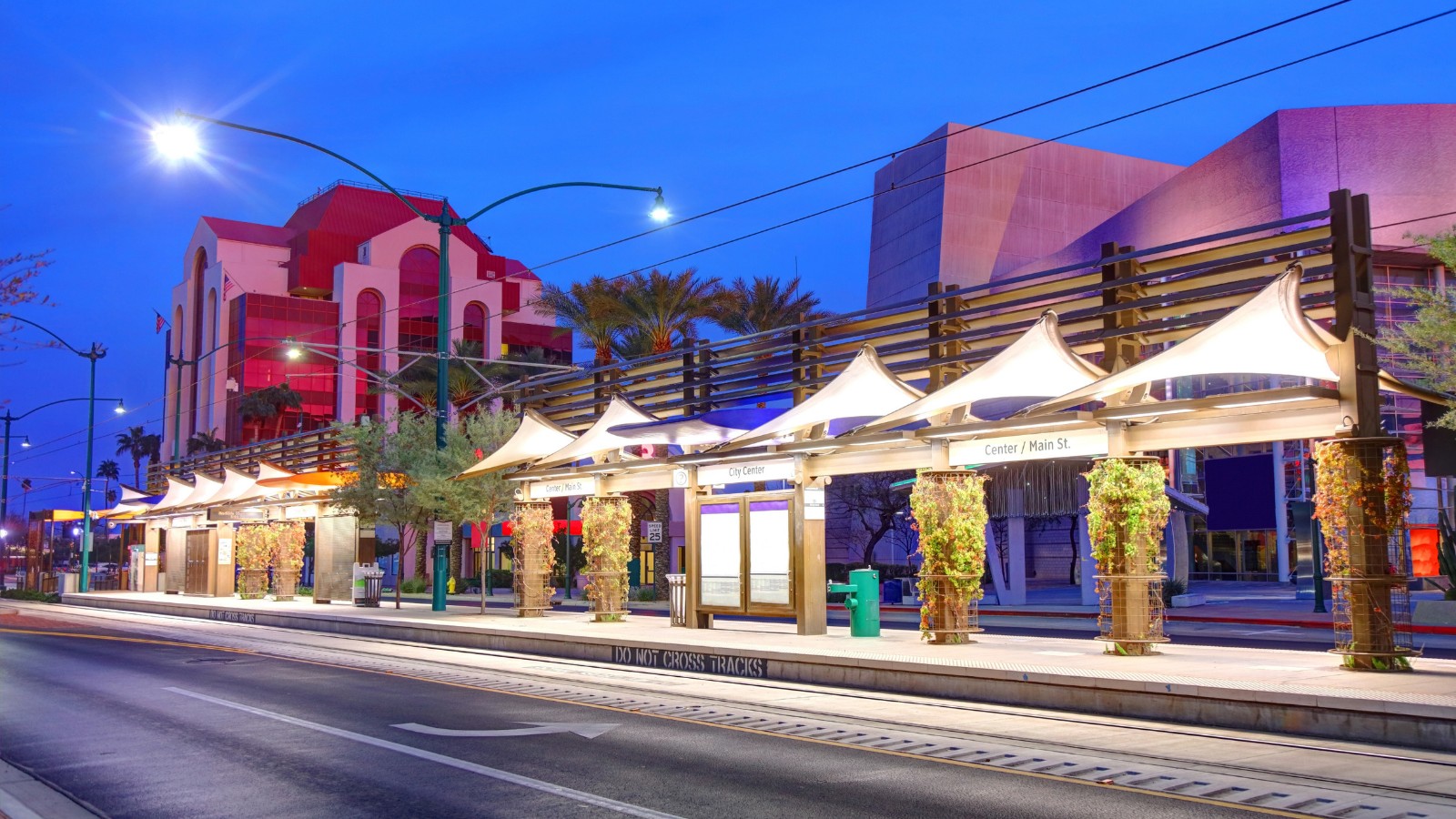
That training shows up in some very practical ways. Certified venues such as the Arizona Museum of Natural History, the i.d.e.a. Museum and Mesa Arts Center have offered sensory kits (while supplies last, so it's worth asking ahead), and Visit Mesa publishes an autism travel guide listing certified hotels, restaurants and attractions. There's even a free outdoor GeoTour that turns the city's certified spots and parks into a gentle treasure hunt, which is great fun for families. Mesa also takes part in the Hidden Disabilities Sunflower program, and it has worked alongside Wheel the World on accessible experiences out along the dramatic Apache Trail.
Perhaps the bigger takeaway is that Mesa shows exactly what can happen when a destination stops seeing disability as something purely physical. So many of us, whether autistic or living with anxiety, chronic pain or fatigue, simply need staff who understand that a quieter table, a heads-up about crowds or just a little patience can make or break a trip. In Mesa, that understanding is the norm rather than the exception.
As for the visit itself, Mesa offers sunshine in the depths of winter, making it a perfect escape anywhere from January through to March. Spring training baseball rolls into town in February and March, the Sonoran Desert landscape is right on your doorstep, and Phoenix and Scottsdale are only a short drive away if you fancy adding a little extra to your city break. Just be aware that summer temperatures here can be brutal, so if heat affects your body, the cooler months really are the time to go.
Planning Your 2027 City Break
No matter which of these cities is calling your name, a little bit of preparation really does go a long way. When booking your hotel, ask for photos and measurements of the exact room type you'll be staying in, rather than simply taking the word "accessible" at face value (we've all been there!). Before you travel, it's also worth having a look on attraction websites for social stories, sensory maps and access guides. Try to book things like ASL interpretation, described tours or beach wheelchairs as early as you can, as many of them need a week or more of notice. And if you use a Hidden Disabilities Sunflower lanyard, double check whether your airports and venues recognize it.
Most of all, remember that the best accessible city break is one where you get to be a traveler first and foremost. Each of these five cities, in its own way, is making that just a little bit easier.
Of course, if you'd rather hand over the legwork altogether, you can book your accessible city break with a Fora Travel Advisor. They'll do the checking, confirming and booking on your behalf, so you can spend less time chasing emails and more time looking forward to the trip itself.