Traveling with Asthma: The Newcastle Trip That Didn’t Go to Plan
Julia Betancourt
It was 7:28 in the morning, and my room was still dark, with the heat on and the blankets pulled tightly over my legs and torso. My phone vibrated harshly, lighting up on the bedside table, and I opened my eyes. I immediately sat up, struggling to catch my breath, very aware of the way that my lungs ached. I wasn’t feeling well, but I knew I had to leave my room: there was a scheduled water shut-off that day and the next, which would make my current housing situation impossible to manage. However, if I took it easy, wore a mask, and avoided the damp, rainy air outside, I would at least be able to wait out the shut-off somewhere else.
Although I’d had moments of not feeling my best before, the circumstances now were different. I had moved to the United Kingdom a few months earlier for an academic course and was planning a short getaway before the new term got underway. Since my move to the UK, my asthma, which had been well managed in New York, had worsened in the cold, damp climate. Even though my chest wasn’t tightening, the usual sign of an asthma attack, I knew exerting myself now would surely cause one.
How did asthma change my Newcastle itinerary?
I had booked a trip to Newcastle because of the water shut-off. Arriving around 1pm, I planned to meander through local museums until 7pm, when I would return to my hotel. I would then spend the next day traveling out to Hadrian’s Wall, which marked the northern frontier of the Roman Empire approximately 2,000 years ago. Because of my asthma, I started crossing items off my itinerary. If it was outdoors, required a lot of walking, or was extremely far away from my home base, it was gone. The hardest hit was the full-day trip to Hexham and the nearby sites along the Wall. My whole reason for going to Newcastle was to see Hadrian’s Wall, and yet, with my lungs feeling more tired than usual, I knew I might not be able to go.
When I arrived, I dropped my bag off at the hotel, made sure my room met my accessibility needs as they pertain to my upper limb difference, and headed out. With my rescue inhaler in my pocket in case of emergency, I felt I could attempt a few indoor activities, where I wouldn’t overexert my lungs, before returning for the evening. I popped on the Metro back to the train station, then turned east.
Is Newcastle Castle accessible?
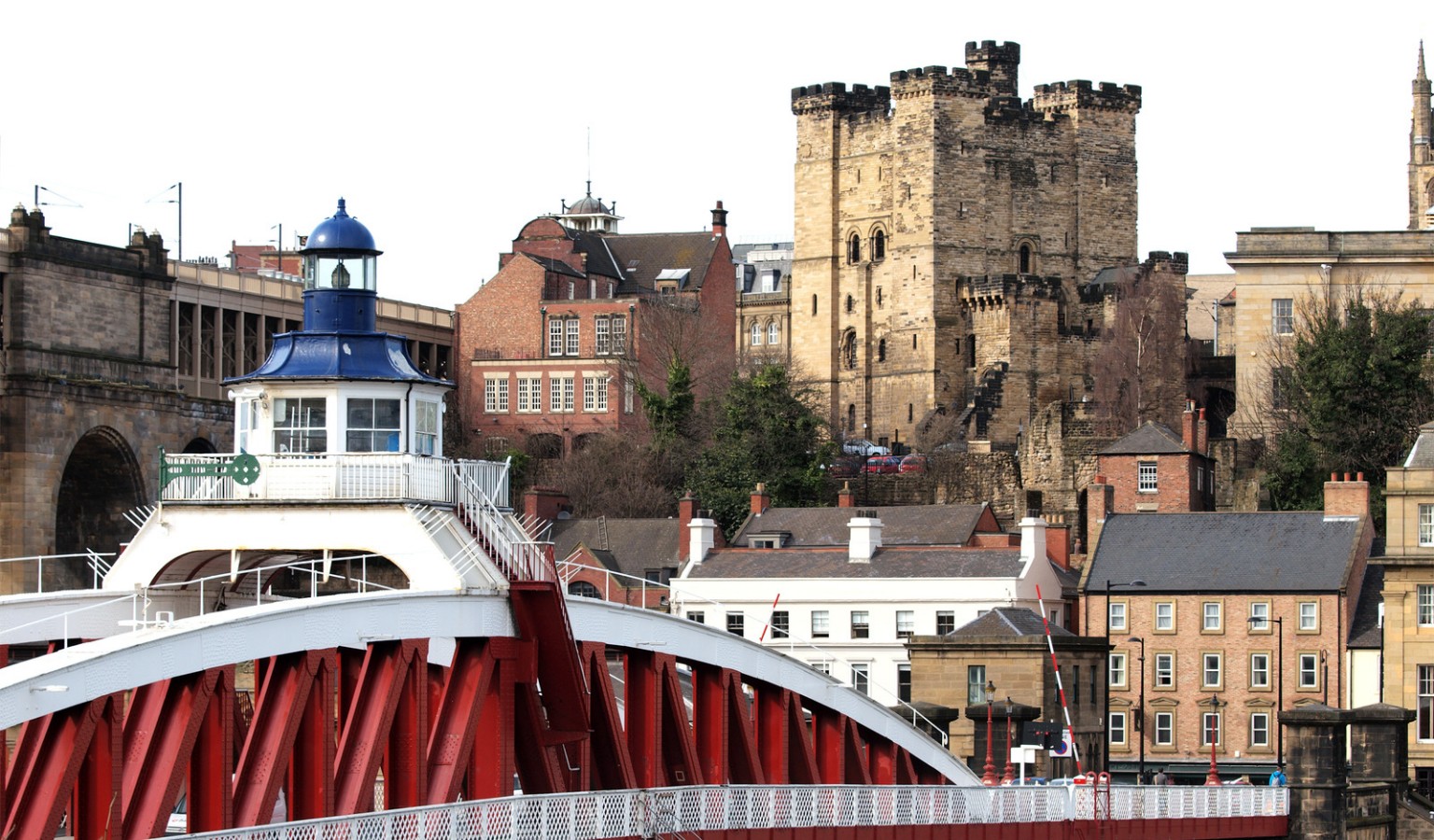
One of the few things that remained from my original itinerary was a visit to Newcastle Castle. A friend who grew up in the area had suggested it to me, and as a very castle-obsessed traveler, I was intrigued. The castle itself was not very accessible, with winding, uneven, worn-out spiral staircases. Its website states that the keep, the main part of the castle, is “a difficult building to access for wheelchair users or those with other mobility difficulties who might find the stairs challenging.” There is only one building fully accessible to wheelchair users. For anyone who can manage the four stone steps up and four stone steps down, I do recommend the chapel as a still, calming space just moments away from a busy city center and an even busier train station. I then went to Newcastle Cathedral, just a few minutes from the castle; it was alive with children’s voices in the after-school hours.
Can you see Hadrian’s Wall without leaving Newcastle?
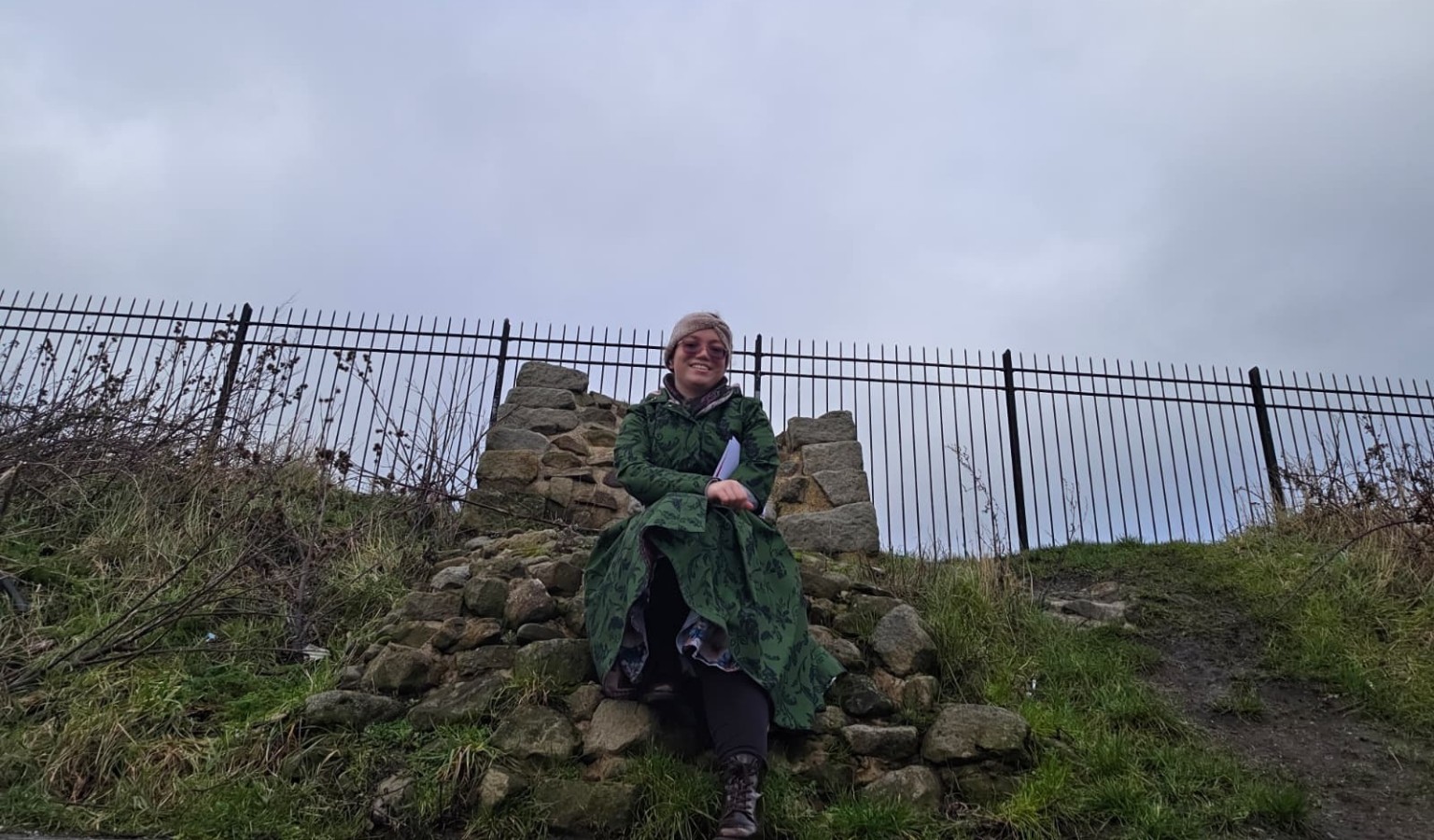
By evening, I was feeling a bit more energetic. Because a few sites within Newcastle itself were connected to Hadrian’s Wall, the entire purpose of my trip up there, I thought I might use the bus system to journey out to them. Benwell Roman Temple and Vallum Crossing, both English Heritage sites, were free to visit and just a few minutes’ walk from each other. While I did not require a mobility device to reach them, the bus route and the slight incline leading toward the sites appeared very manageable for anyone using one. Much like the ride out, the bus ride home was smooth, and the operator was very willing to offer assistance if I needed it. I sat in the priority seating for disabled passengers, located next to the exit, for ease of access while disembarking. Then I headed back to my hotel.
Is Durham a good backup day trip from Newcastle?
The next day, I woke up with tired yet recovering lungs and a sunken heart. With the weather outside turning to rain (what else would you expect in England?), the train ride to Hexham and the nearby sites associated with Hadrian’s Wall, as originally planned, would not happen. If I wasn’t well enough to see the sights I’d traveled for, why had I come here at all?
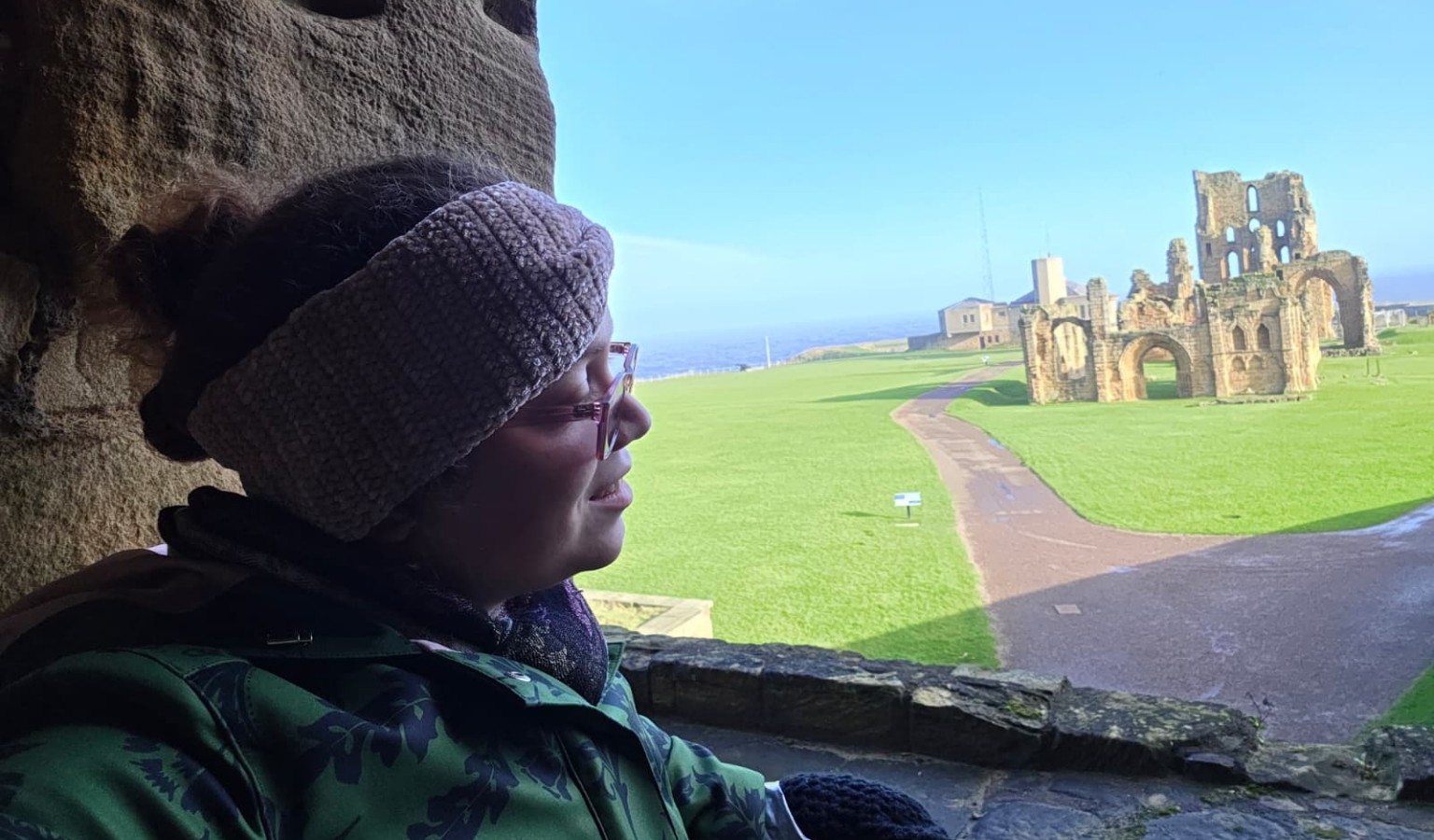
I reviewed my list of recommendations. A friend had suggested that I visit Durham while up north. A short train ride to another city, followed by a wander inside a cathedral, sounded doable with my energy level. Although I typically love cathedrals and religious sites, I was a bit disappointed about the changes that required me to go there now. While Durham Cathedral had been on my itinerary, it was meant for my last day, before I returned home. Being there now meant that I was missing out on a major site I had wanted to visit. I couldn’t help but feel let down. And while I found it beautiful, with its high arches and Romanesque features, I was also saddened by the way that my lungs, unable to cope with British dampness, forced me to stop and rest more often than I would have liked.
What is it like traveling with asthma?
I wish that I could say the heart of this story is that the other experiences we have while traveling are just as great as the ones we miss out on. While I am glad and grateful I got to see Durham, I do still feel sad that I missed the wide countryside views along Hadrian’s Wall. Even so, I am happy that I went and saw what I saw. But part of traveling with a chronic condition, such as asthma, is that you sometimes have to give up some of the things you want to see.
It has been said that it’s not about the destination but the journey. When traveling, the destination can often be more fun than the journey (just ask anyone who has taken a transoceanic flight). However, when the destination becomes unmanageable, it is important to consider how to make it accessible. Even knowing I had to travel that day, I was extremely careful not to further aggravate my chronic health condition in the damp air. If I had pushed myself to keep to my plans, I likely would have overexerted myself and wound up with an asthma attack. With that in mind, I did what I could to make the trip accessible for the state my body was in during those three days. Sometimes, travel has to be about both the journey and the destination, to ensure that everything is accessible for the traveler.